
Returning Home: The Ultimate Guide to Tracing Your Irish Roots
There is a saying in Ireland: "Ní neart go cur le chéile." (There is no strength without unity).
For the 70 million people worldwide who claim Irish heritage, that unity has been stretched across oceans and centuries. Whether your ancestors left on a "Coffin Ship" during the Great Hunger of 1847, or on a Pan Am flight to Boston in the 1950s, the connection remains. It is in the names, the music, the turn of phrase, and the stories passed down through generations.
But for many, the details are lost.
- "I know we are from Cork, but I don't know where."
- "I know my grandmother was a Kelly, but which Kelly?"
- "I know there was a farm, but does it still exist?"
Tracing your Irish roots is the ultimate detective story. It is frustrating, emotional, and deeply rewarding. It requires patience, because Ireland’s history of record-keeping is fragmented by fire and famine. But unlike 20 years ago, you don't need to spend months in a dusty basement in Dublin. The digital revolution has opened the archives.
This guide is your roadmap. We will take you from the first search on your laptop to the moment you stand in a muddy field in rural Ireland, looking at the stone walls your great-grandfather built. We will cover the legalities of citizenship, the science of DNA, and the logistics of bringing 30 cousins back for a reunion.
Part 1: The Research (Before You Travel)
You cannot find your home if you don't know the address. The biggest mistake visitors make is flying to Ireland hoping to "find something" without doing the homework first. "Ireland" is not a location; it is a country. To find records, you need specifics.
The "Golden Rule": Start in America (or UK/Aus)
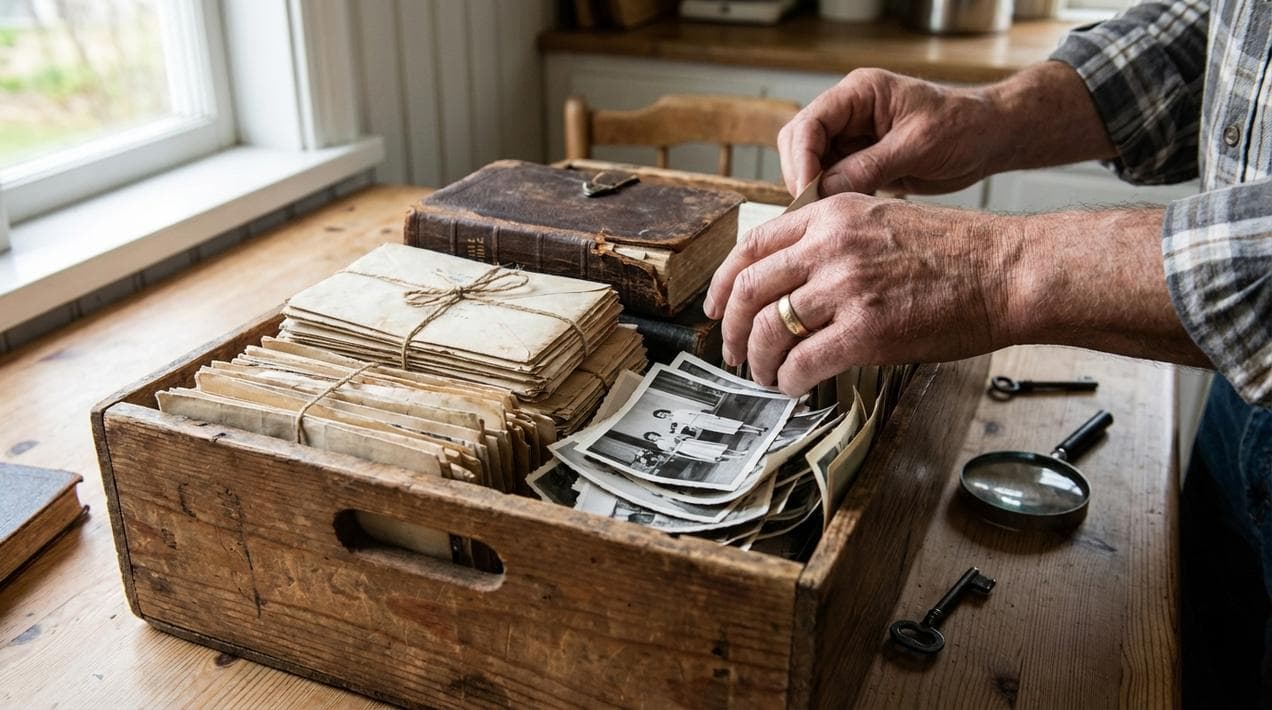
If you don't know the Parish or Townland, you cannot successfully search the parish records in Ireland. "County Mayo" is too big—it has dozens of parishes and thousands of families.
- The Strategy: You must exhaust the records in your home country first.
- Naturalization Papers: These often list the specific town of birth, whereas a death certificate might just say "Ireland."
- Gravestones: Immigrant graves in the US often list the home parish as a badge of honor.
- Family Bibles: Look for the handwritten notes inside the front cover.
- The Guide: We explain exactly how to interview relatives and locate that crucial "Townland" in our Beginner’s Guide to Starting Your Tree.
The "Big Three" Irish Archives
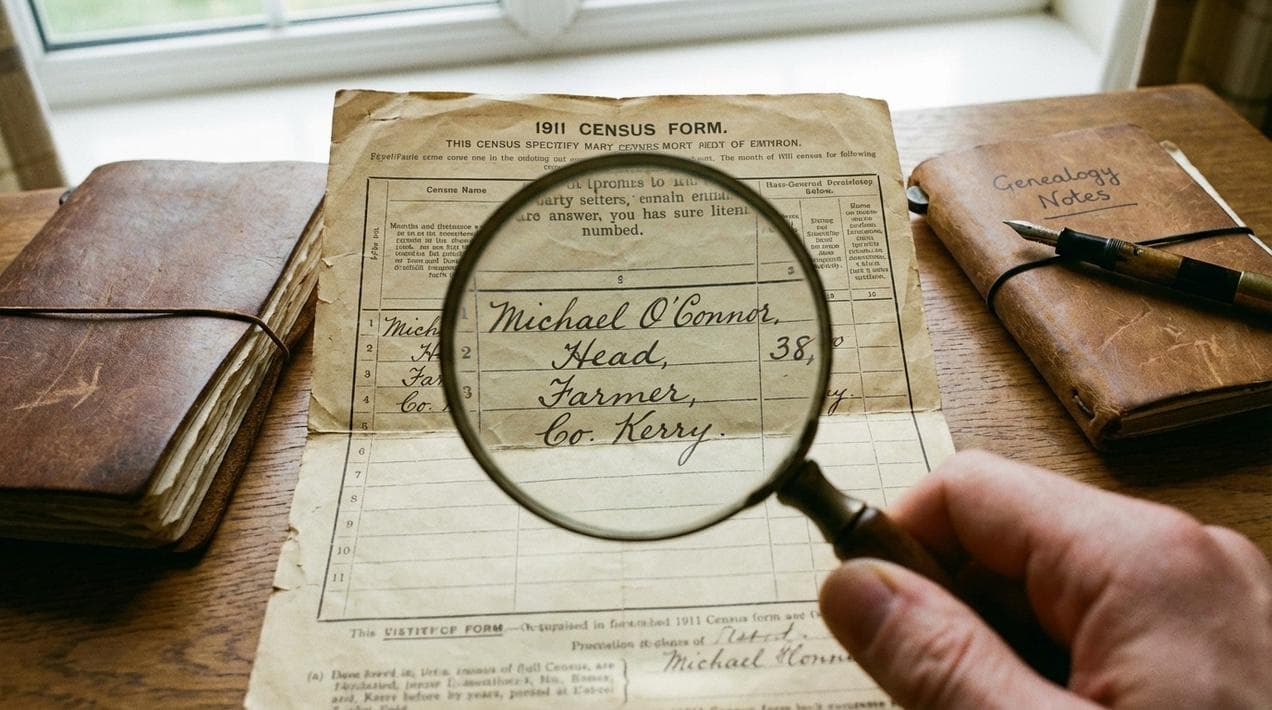
Once you have a location, you need to dive into the Irish records. The system here is unique because of the 1922 fire that destroyed the 19th-century census returns. We have to use "substitutes."
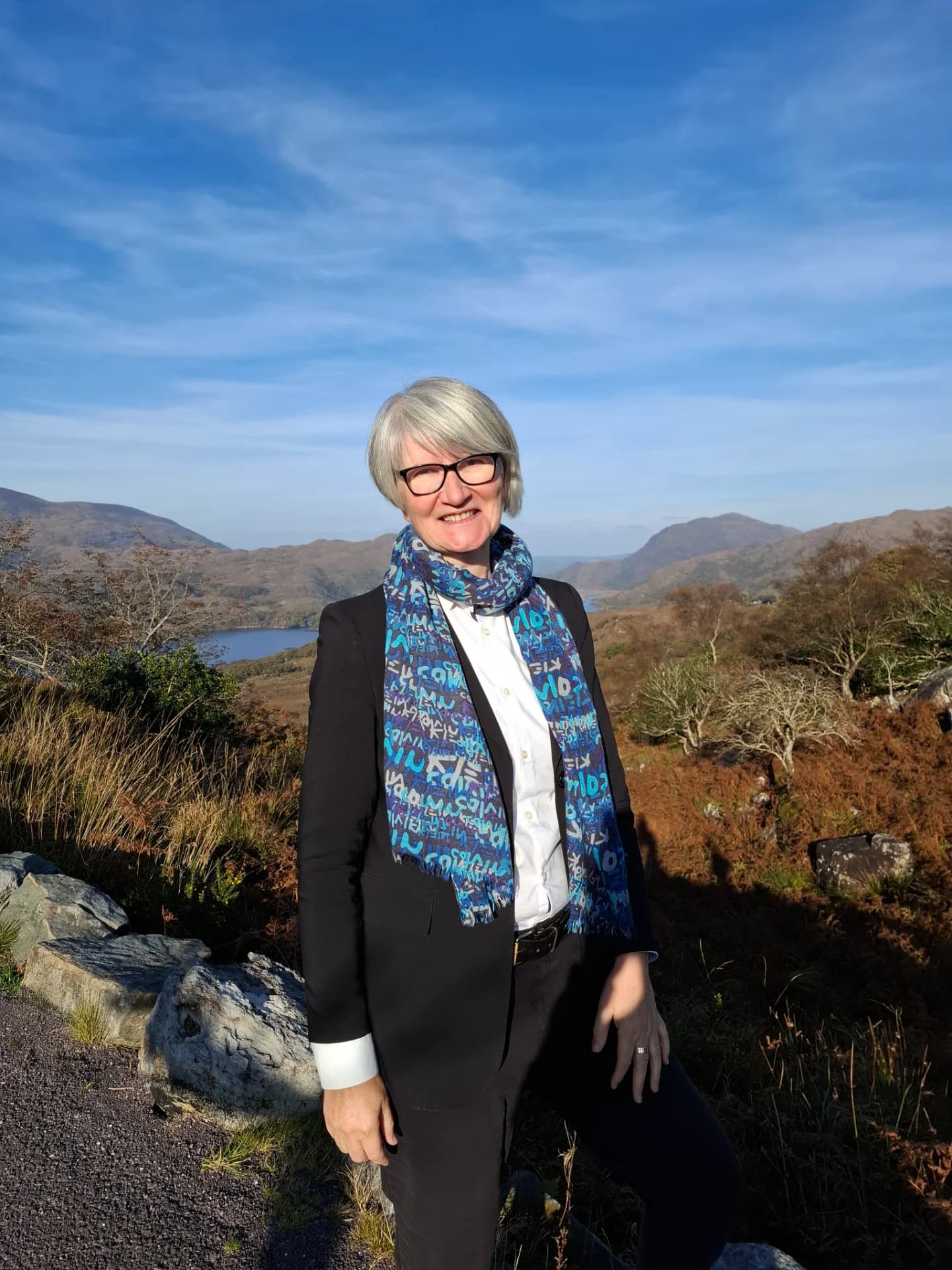
- The Census (1901/1911): These are the only complete surviving censuses. They are free, online, and fully searchable. They allow you to see your family’s handwriting, their spoken language (Irish/English), and the size of their house.
- Civil Records (GRO): State registration for Births, Marriages, and Deaths only started in 1864. These are the official legal documents you will need for citizenship.
- Parish Records (NLI): For any research before 1864, you are reliant on the Catholic Church. The National Library has digitized these registers, but they are often difficult to read.
- The Guide: Confused by the websites? Read our technical manual: Irish Census & Parish Records: A Guide to the Archives.
The "Tech" Approach: DNA
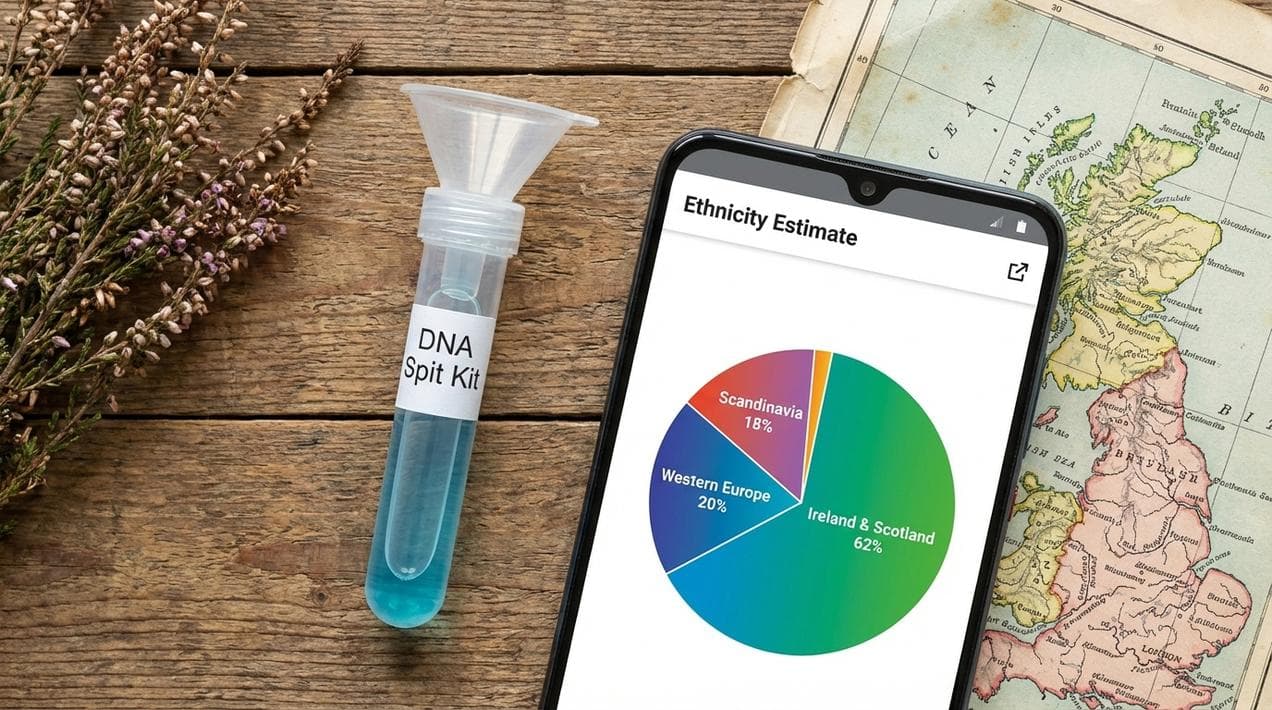
You’ve spat in the tube. You represent "92% Irish." Now what? DNA is a powerful tool, but it is often misunderstood. It won't give you a name, and it won't get you a passport. It gives you cousins.
- The Strategy: The real value of DNA is finding 3rd or 4th cousins who have better family trees than you do. If three of your DNA matches all descend from the same couple in Kilkenny, you have just found your location.
- The Comparison: Should you use AncestryDNA, 23andMe, or MyHeritage? We compare the databases in our review: DNA Testing for Irish Roots: Which is Best?.
When to Hire a Pro
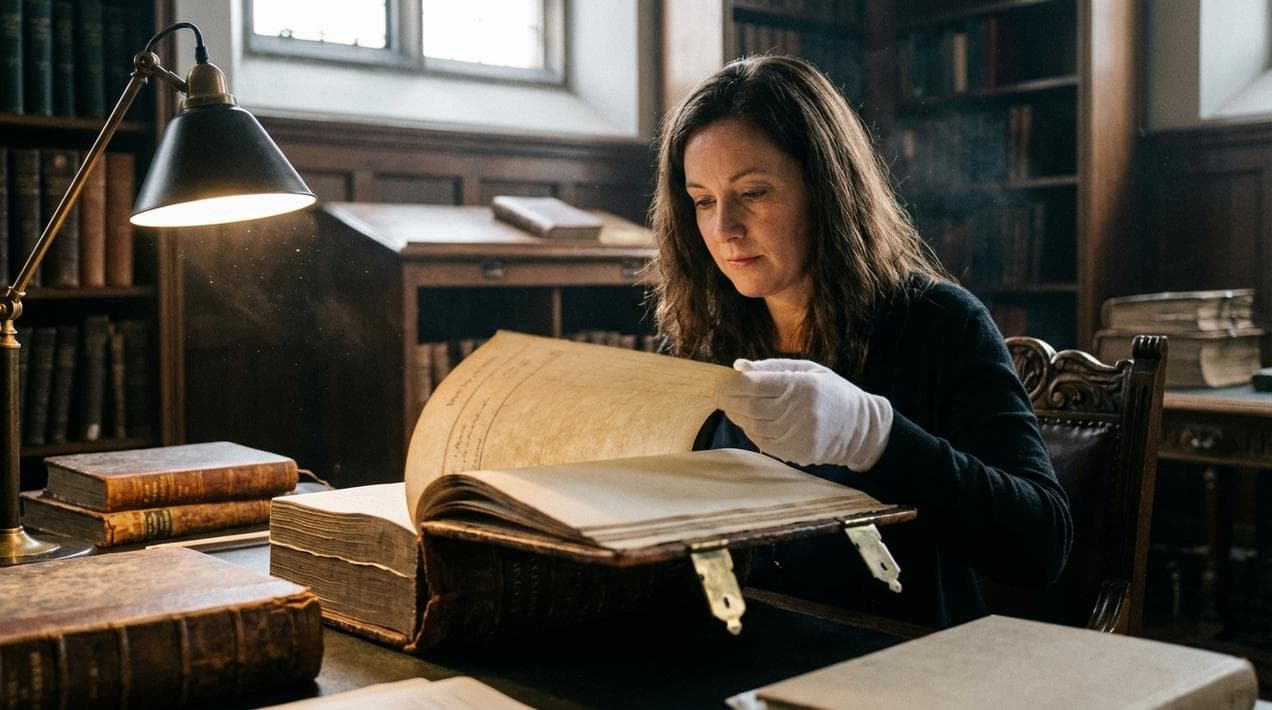
Sometimes, the records are just... gone. Or they are in Latin. Or they are offline in a basement in Dublin (like the Registry of Deeds or Estate Papers).
- The Fix: Hiring a professional genealogist isn't admitting defeat; it's hiring a translator for history. They can read the faded ink you can't, and they know the "alternate spellings" of your surname.
- The Cost: Is it expensive? We break down the hourly rates and assessment packages in Hiring a Genealogist vs. DIY: Is It Worth It?.
Part 2: Understanding Your Heritage (Context)
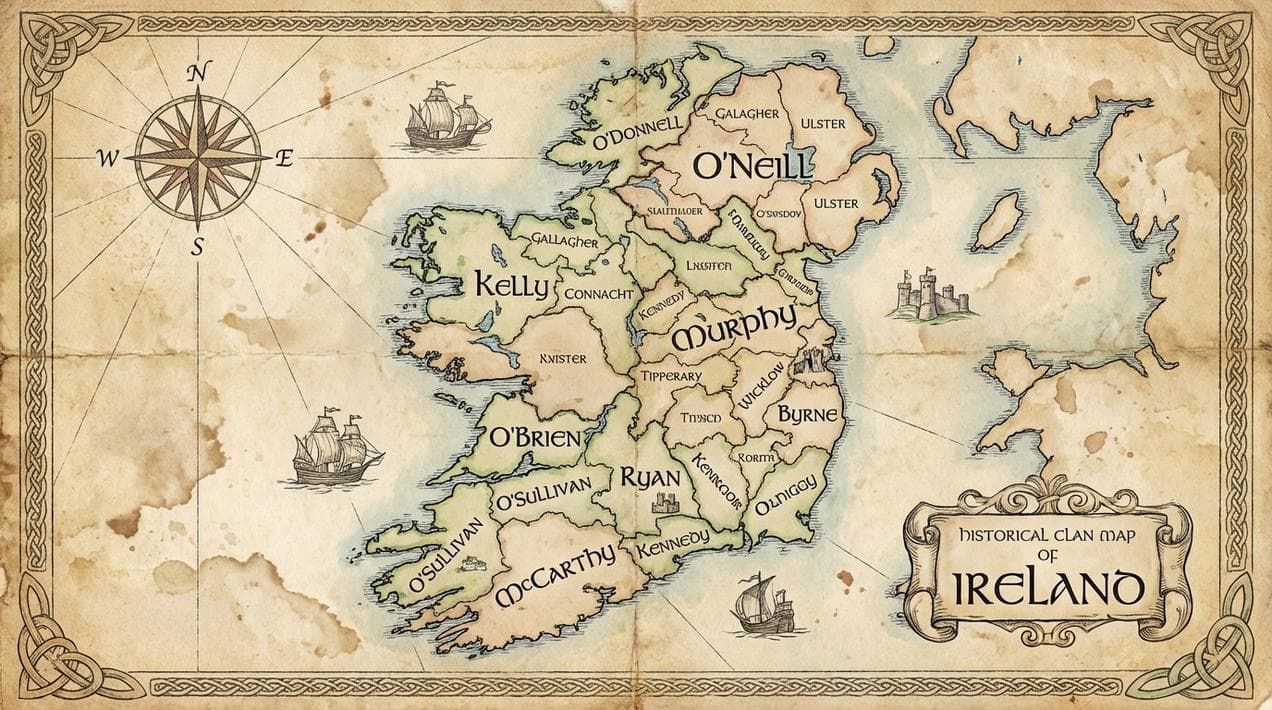
Genealogy is more than dates and names. It is about understanding the culture your ancestors came from. What did their name mean? Why did they leave?
Your Surname: A GPS Coordinate
In Ireland, names are deeply tied to the land.
- The Prefix: The "O" (Grandson of) and "Mac" (Son of) are vital clues.
- The Location: If your name is O'Sullivan, you are almost certainly from the Beara Peninsula in Cork/Kerry. If you are an O'Malley, you are from the coast of Mayo. If you are a Gallagher, you are from Donegal.
- The Guide: See where your clan originated and what your name actually means in Irish Surnames Explained: Maps, Clans & The 'O'.

The Emigration Story
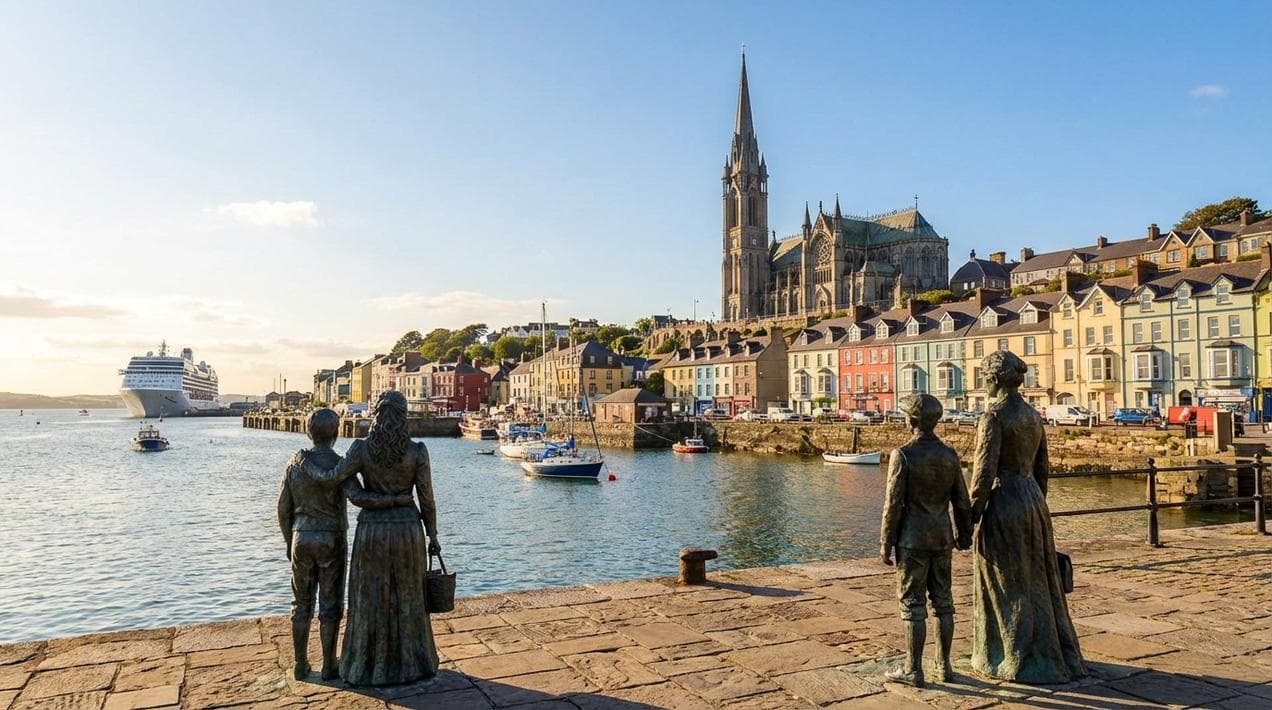
For millions, the story of their family is defined by the moment they left. Was it the Great Famine (1845-1852)? Was it the search for work in the 1950s?
- The Trail: To truly understand their experience, you should visit the points of departure.
- Cobh (Queenstown): The port in Cork where 2.5 million people emigrated, including Annie Moore and the Titanic passengers.
- The Famine Ships: Visit the Jeanie Johnston in Dublin or the Dunbrody in Wexford to see the cramped, dark conditions they endured for 6 weeks crossing the Atlantic.
- The Guide: Retrace their final steps on Irish soil in The Emigration Trail: Cobh & The Famine Ships.
Part 3: The Citizenship Quest (The Red Passport)
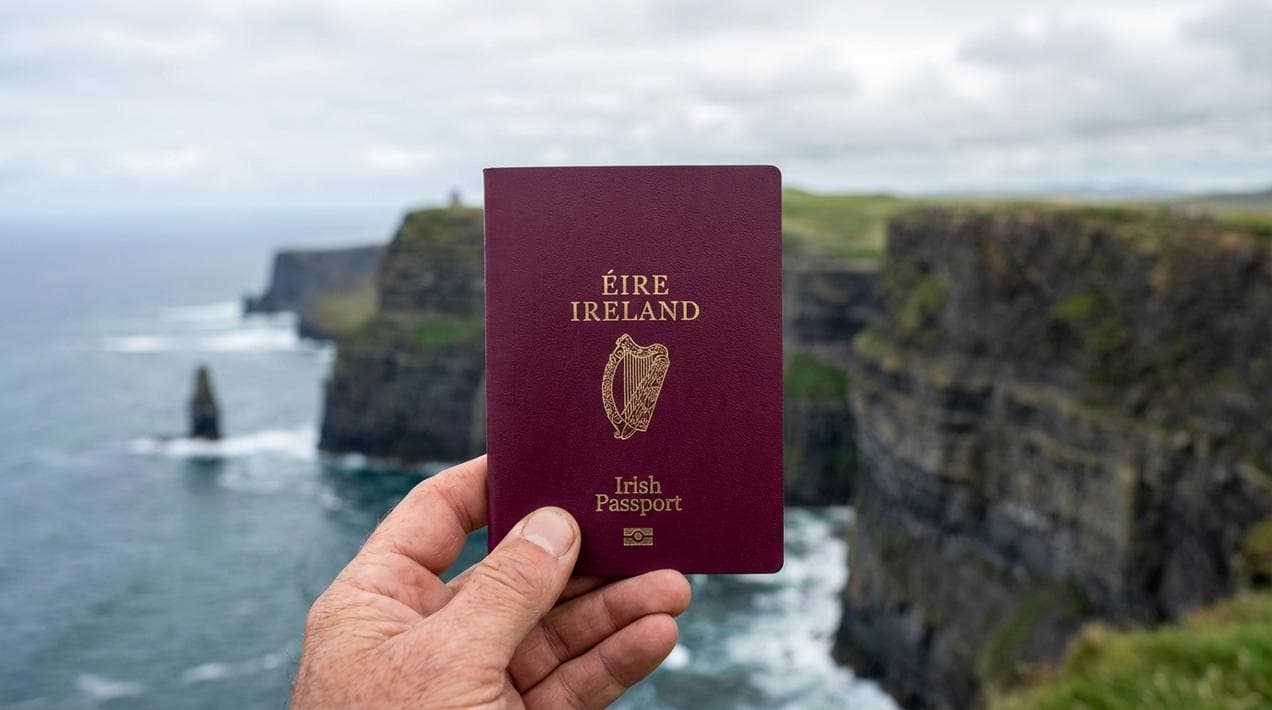
For many, the goal isn't just a visit; it's a passport. The "Red Passport" (EU Citizenship) is highly coveted, especially post-Brexit. It grants the right to live and work anywhere in the EU.
The "Grandparent Rule"
Ireland has one of the most generous citizenship laws in Europe.
- The Law: If your grandparent was born on the island of Ireland, you are eligible for citizenship. Period. It does not matter if your parent never held an Irish passport.
- The Catch: It is not automatic. You must register on the Foreign Births Register (FBR) before you can apply for a passport. This process takes 9-12 months.
- The Paperwork: You need "Long Form" original birth certificates for you, your parent, and your grandparent. You cannot use photocopies.
- The Guide: Check your eligibility (and the "Great-Grandparent" exception) in Irish Citizenship by Descent: Do You Qualify?.
Part 4: The "Homecoming" Trip (Logistics)
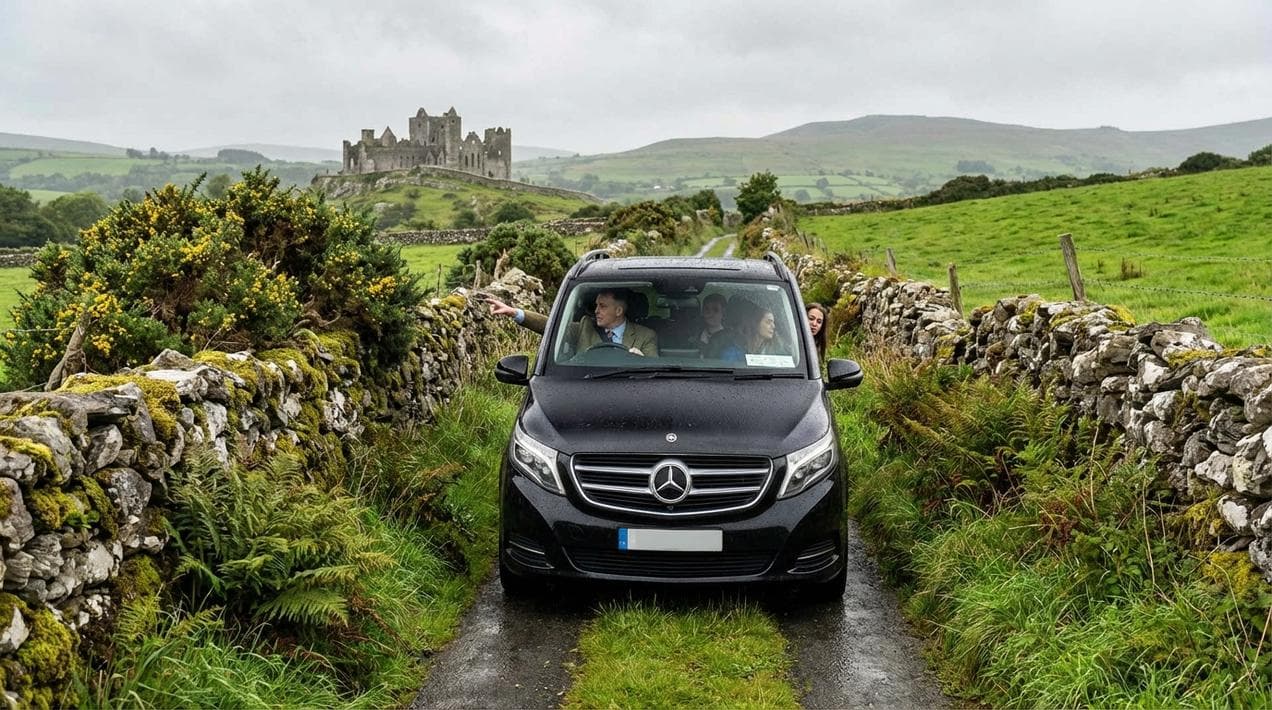
Once the research is done, the real magic begins. You are going home. But visiting an "Ancestral Townland" is not like visiting a tourist site. It requires military-grade planning and local help.
The "Townland" Challenge
Your ancestral home is likely down an unmarked lane (boreen) that doesn't appear on Google Maps. The house itself may be a ruin, or a modern bungalow.

- The Reality: You cannot do this in a rental car while looking at a 19th-century map. You will get lost, and you will get stressed.
- The Solution: Hire a Heritage Driver. This is a private driver who knows the local area. They are not just drivers; they are diplomats. They know how to ask the local farmer for directions without getting chased off the land. They know the history of the soil.
- The Protocol: What do you do if the house is still there? Do you knock? We answer the awkward etiquette questions in Visiting Your Ancestral Townland: The Ultimate Trip Plan.
The Graveyard Visit
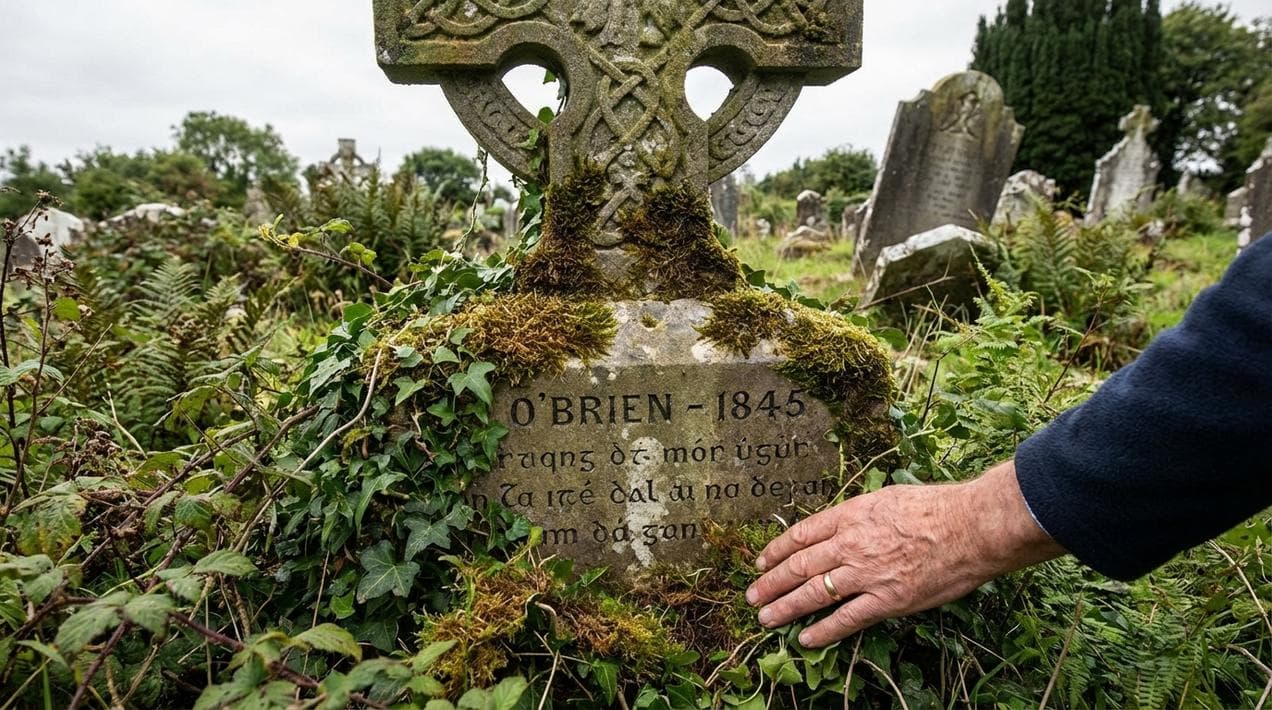
If the house is gone, the graveyard is usually the only physical link left.
- The Problem: Old Irish graveyards are overgrown, chaotic, and often locked.
- The Fix: You need to know how to find the "Caretaker" (who holds the key) and how to safely clean a mossy headstone to read the name without damaging it.
- The Guide: Read our step-by-step instructions in How to Find and Visit Ancestral Graves.
Part 5: The "Big" Event (Reunions)
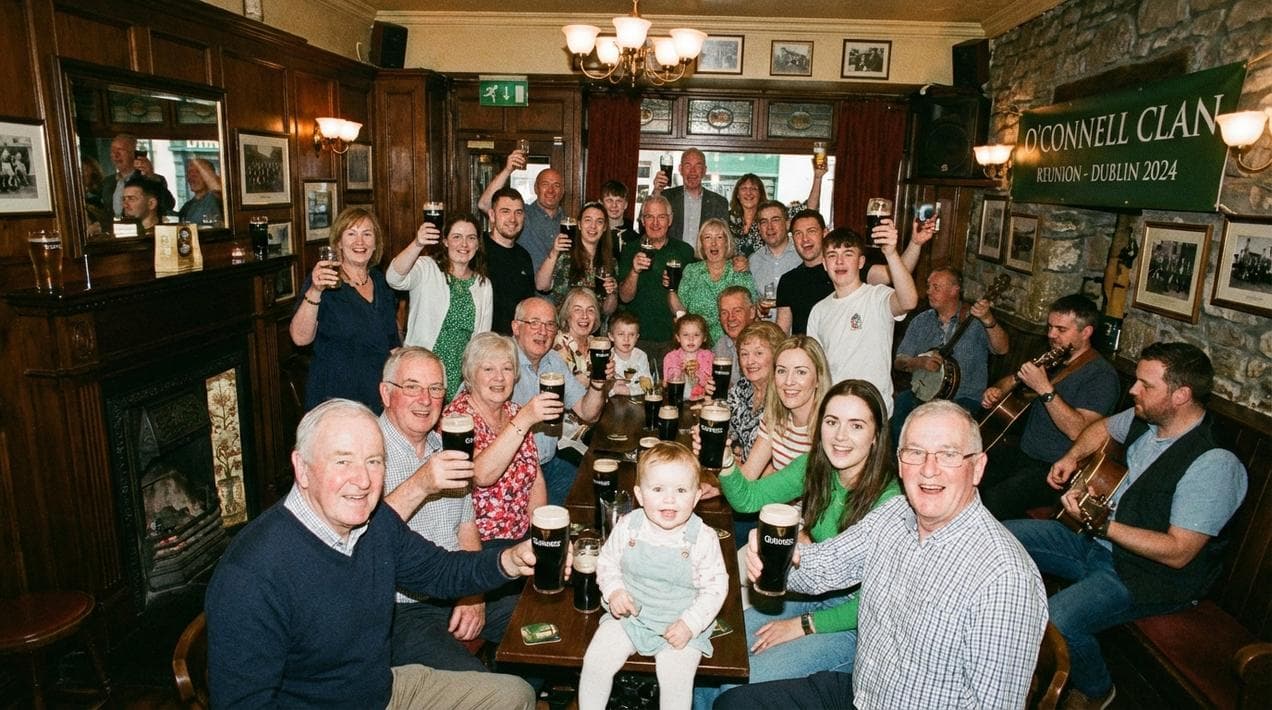
If you have successfully reconnected with the family history, the final step is the Clan Gathering. This is where you bring the American cousins and the Irish cousins together for a massive party. It is the ultimate celebration of survival and success.
The Logistics of Large Groups
Moving 20 or 30 people around rural Ireland is a logistical beast.
- The Transport: Do not rent 10 cars. Hire a Private Coach. It keeps the group together, allows everyone to enjoy the view (and the Guinness), and solves the parking nightmare.
- The Venue: Do you rent a Castle for exclusive use? Or do you book a block of rooms in a hotel?
- The Guide: We explain how to project manage this event, from budgets to itineraries, in How to Organize a Clan Gathering or Family Reunion.
Conclusion: The Circle is Closed
Tracing your roots is a journey in reverse. Your ancestors traveled West to find a new future. You are traveling East to find your past.
When you finally stand in that field, or touch that headstone, or hold that passport, you are closing a circle that has been open for generations. It is a profound privilege. It grounds you. It answers the question: "Who am I?"
Don't let the logistics stop you. Whether you need a researcher to find the name, a driver to find the house, or a planner to organize the party, the help is here.
Plan Your Homecoming: Find Genealogists, Drivers & Reunion Planners Here →
Table of Contents
Share this post
More from the Blog

Cork to Blarney Castle Day Trip: The Stone, the Gardens and What Else to See
Plan a Cork to Blarney Castle day trip. Kiss the stone, explore the Poison Garden, and add Cork city, Fota or Kinsale for a full day out.

Cork to Cobh Day Trip: Titanic, Colourful Houses and Harbour History
Plan a Cork to Cobh day trip by train, car or private driver. Explore Titanic history, St Colman's Cathedral, Spike Island and the best harbour views.

Cork to Killarney Day Trip: Lakes, Mountains and Muckross in One Day
A Cork to Killarney day trip is a longer escape into Kerry. Here's how to plan the drive, what to see in Killarney National Park, and why a private driver helps.