
The Emigration Trail: Cobh, The Famine Ships & The Diaspora
Between 1845 and 1950, over 6 million people left the island of Ireland. They left on "Coffin Ships" escaping the Great Famine. They left on ocean liners bound for Ellis Island. They left on airplanes for London.
For the diaspora returning home today, tracing their ancestors isn't just about finding a birth certificate. It is about retracing their final steps on Irish soil. It is about standing on the same pier where they looked back at their homeland for the last time.
This guide takes you along the "Emigration Trail"—the specific historic sites in Ireland that tell the story of the departure. These are the places where the ghosts of the past are closest.
(This history guide is part of our master Returning Home: The Ultimate Guide to Tracing Your Irish Roots. If you want to find the specific ship your ancestor sailed on, check our Beginner’s Guide to Genealogy).
1. Cobh (Queenstown): The Port of Tears
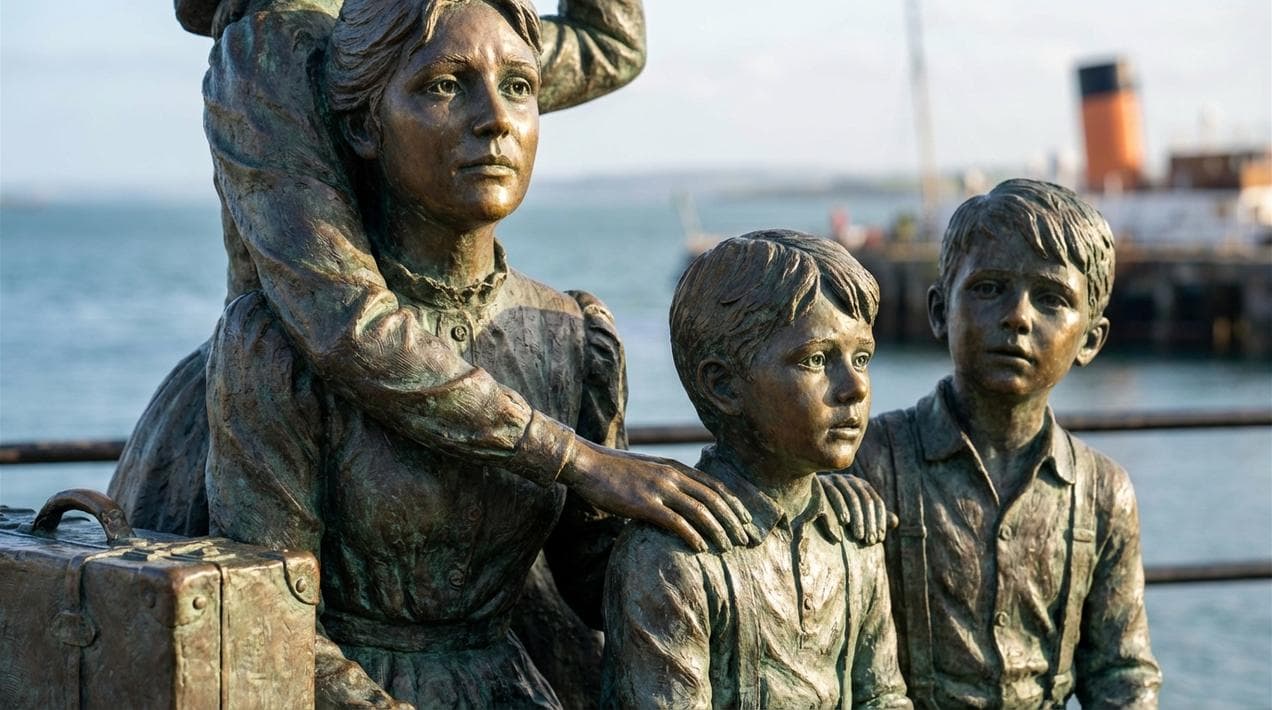
Location: Cork Harbor Why it matters: From 1848 to 1950, 2.5 million Irish people emigrated from this single town. It was the last port of call for the Titanic.
For millions of Irish-Americans, this is "Ground Zero."
- The Train Station: The building is still there. It is now the Cobh Heritage Centre. You can walk the same platform your ancestors walked.
- The "Queenstown Story": The museum here is world-class. It tells the story not just of the Titanic, but of the "Annie Moore" statue (the first immigrant processed at Ellis Island, who sailed from Cobh).
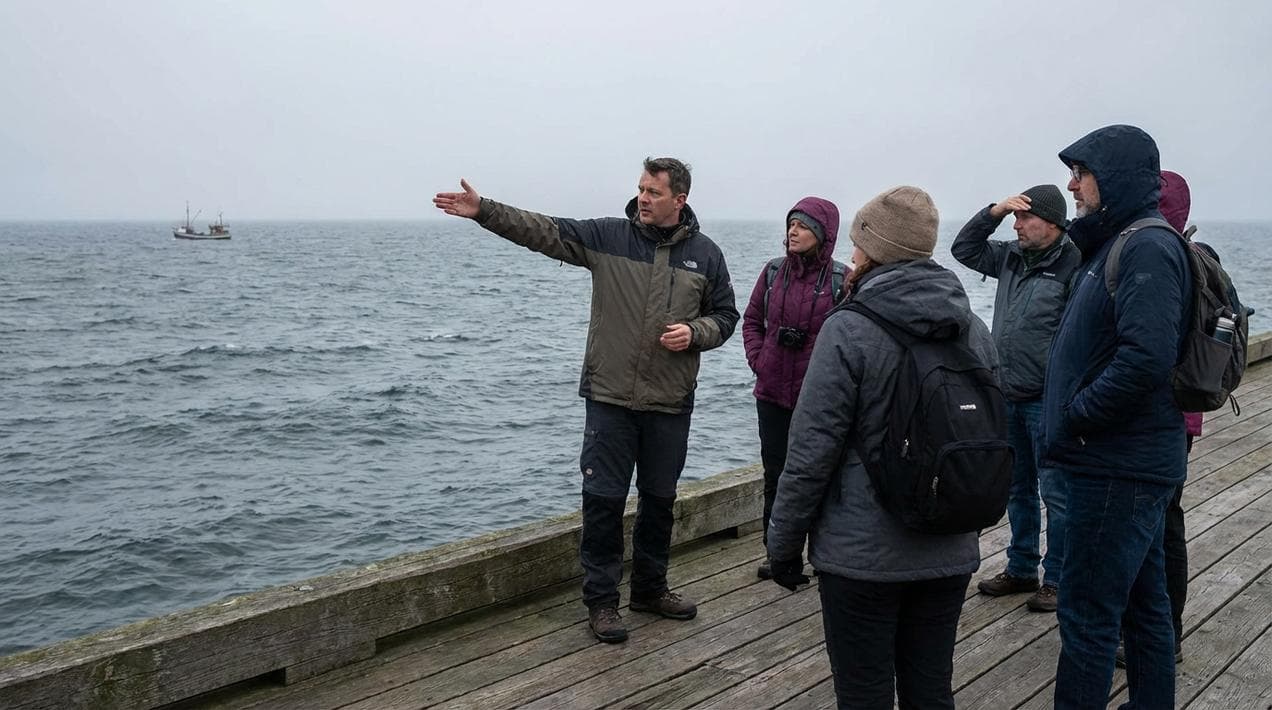
- The Walking Tour: Don't just visit the museum. Hire a Local Cobh Guide to take you to "Heartbreak Pier," the crumbling wooden jetty where the tenders ferried passengers to the liners. It is a deeply emotional spot.
2. The Jeanie Johnston (Dublin)

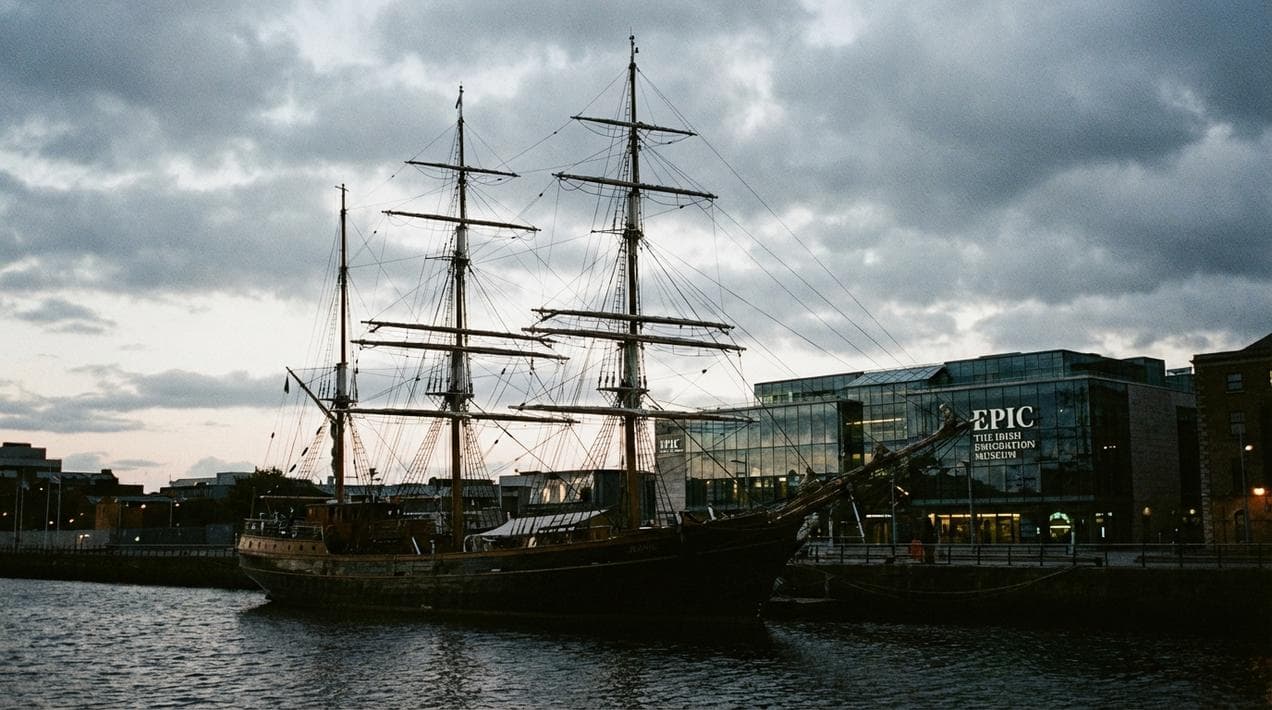
Location: Dublin Docklands Why it matters: It is a perfect replica of a "Famine Ship."
During the Great Hunger (1845-1852), fleeing starvation was dangerous. The ships were overcrowded and disease-ridden.
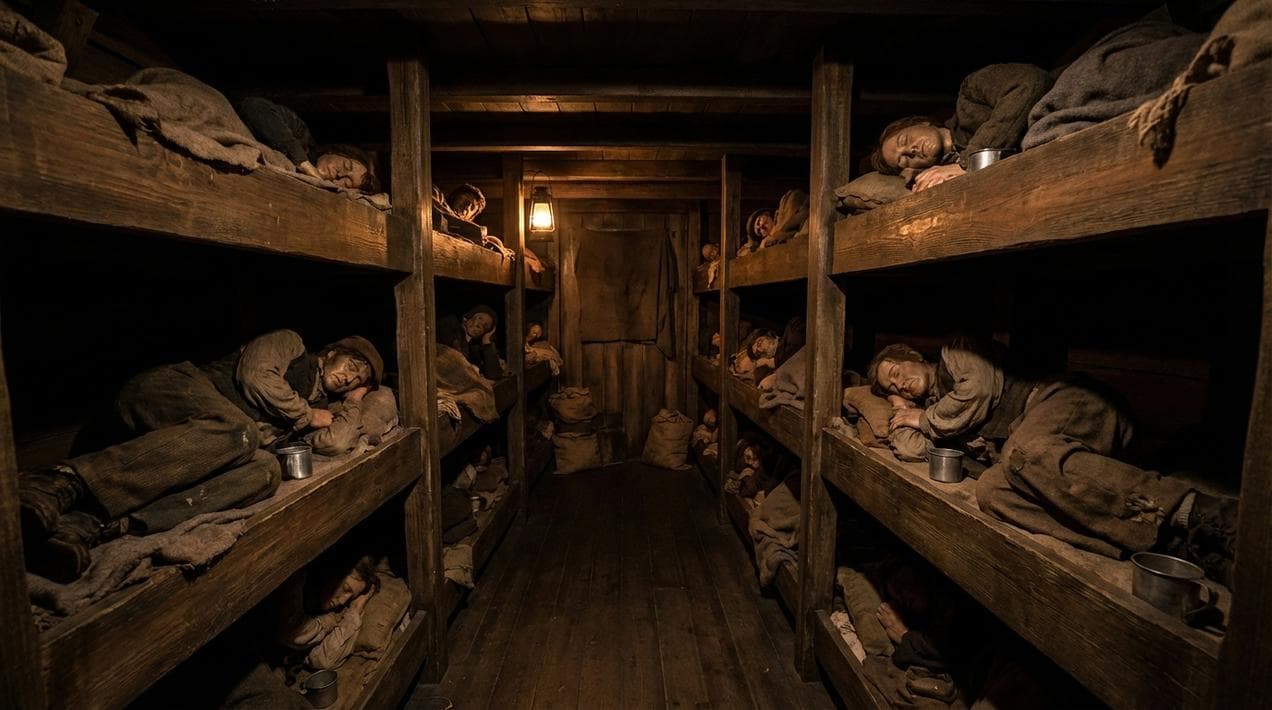
- The Experience: The Jeanie Johnston is docked on the Liffey. You can go below deck.
- The Reality: Seeing the cramped bunks where families of 14 slept gives you a visceral understanding of their desperation. The original ship made 16 voyages and, miraculously, never lost a passenger.
- The Contrast: Just across the river is the EPIC The Irish Emigration Museum, a high-tech digital museum that focuses on what the Irish did after they left (the "Success Stories").
3. The Dunbrody Famine Ship (Wexford)
Location: New Ross, Wexford Why it matters: It is the sister ship to the Jeanie Johnston but offers a more immersive experience.
- The Kennedy Connection: This is where Patrick Kennedy (JFK’s great-grandfather) sailed from.
- The Tour: Actors play the roles of the captain and the starving passengers. It is theatrical, but effective. It brings the "Manifest" list to life.
- The Wall of Names: Outside, there is a memorial wall listing thousands of emigrants. You might find your surname there.

4. The Ulster American Folk Park (Omagh)
Location: Tyrone, Northern Ireland Why it matters: It tells the story of the "Scotch-Irish" (Ulster Scots) who left in the 1700s, long before the Famine.
- The Concept: This is an open-air museum. One half is the "Old World" (Irish thatched cottages, a forge, a schoolhouse).
- The Transition: You then board a full-scale emigrant sailing ship in the middle of the museum.
- The New World: You exit the ship into the "New World"—a recreation of 1800s America with log cabins and general stores. It brilliantly shows the journey physically.
5. Strokestown Park & The National Famine Museum (Roscommon)
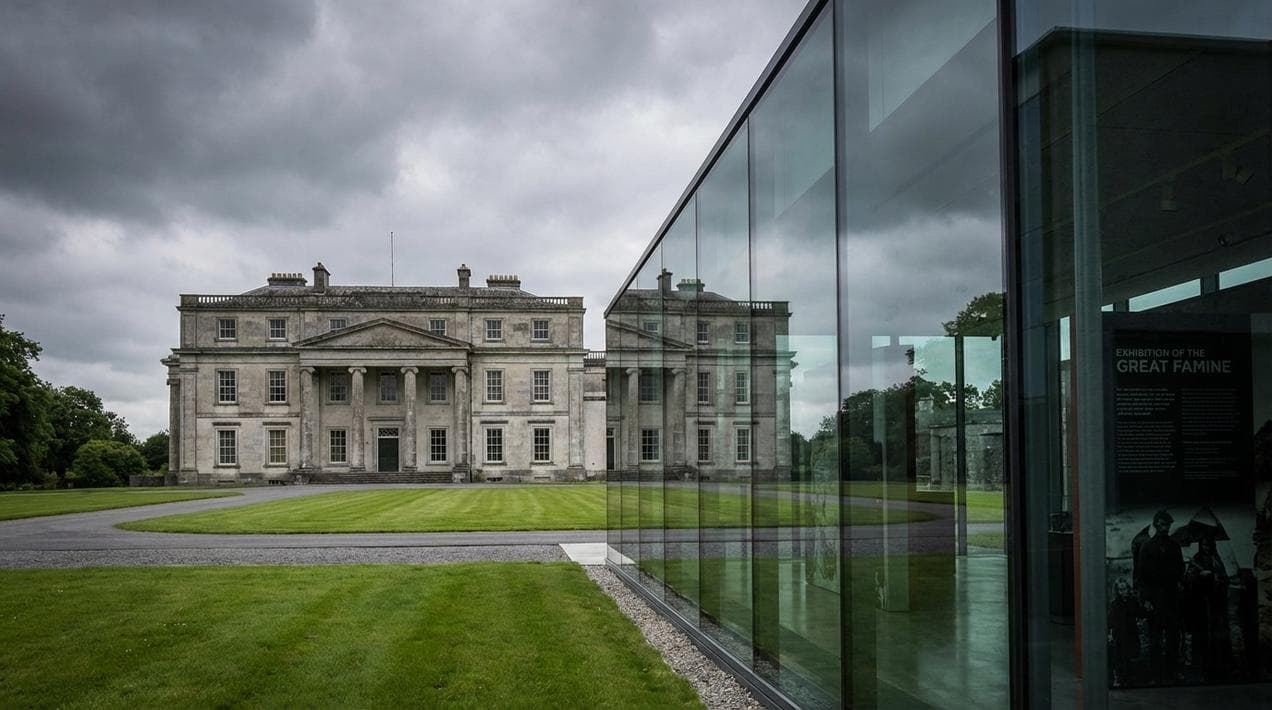
Location: Roscommon (Hidden Heartlands) Why it matters: It tells the story from the other side—the Landlord.
- The House: Strokestown was the home of Major Denis Mahon, a landlord assassinated during the Famine for evicting his tenants.
- The Archive: In the attic, they found the complete estate records—letters from tenants begging for food, and the "Assisted Emigration" lists of those he paid to leave.
- The Famine Way: This is the starting point of the National Famine Way, a 165km walking trail to Dublin following the route of 1,490 tenants forced to walk to the ships in 1847.
6. How to Plan the "Emigration" Trip

Tracing the Emigration Trail requires moving between Dublin, Cork, and the West.
The Logistics
- Day 1: Dublin: Visit EPIC Museum and the Jeanie Johnston.
- Day 2: The Midlands: Drive to Strokestown Park to see the "cause" of the emigration.
- Day 3: Cork: Finish in Cobh. Stand on the pier.
- Transport: This route covers 300km. We recommend hiring a Private Driver so you can focus on the history, not the road. A driver can also take you to the smaller, local memorials that aren't in the guidebooks.
Hire a Specialist Guide
Walking around Cobh is interesting. Walking around Cobh with a Local Historian who can show you the exact building where tickets were sold in 1890 is unforgettable.
- Why: They have the local knowledge. They know which pubs the sailors drank in. They know the folklore.
Retrace Their Steps
You cannot understand the joy of the arrival in America until you understand the pain of the departure from Ireland.
Table of Contents
Share this post
More from the Blog

Cork to Blarney Castle Day Trip: The Stone, the Gardens and What Else to See
Plan a Cork to Blarney Castle day trip. Kiss the stone, explore the Poison Garden, and add Cork city, Fota or Kinsale for a full day out.

Cork to Cobh Day Trip: Titanic, Colourful Houses and Harbour History
Plan a Cork to Cobh day trip by train, car or private driver. Explore Titanic history, St Colman's Cathedral, Spike Island and the best harbour views.

Cork to Killarney Day Trip: Lakes, Mountains and Muckross in One Day
A Cork to Killarney day trip is a longer escape into Kerry. Here's how to plan the drive, what to see in Killarney National Park, and why a private driver helps.