
Hiring a Genealogist vs. DIY: Is It Worth the Cost?
It starts as a hobby. You sign up for a free trial on a genealogy website. You find your grandfather's birth certificate. You feel a rush of excitement.
Then, you hit the "Brick Wall."
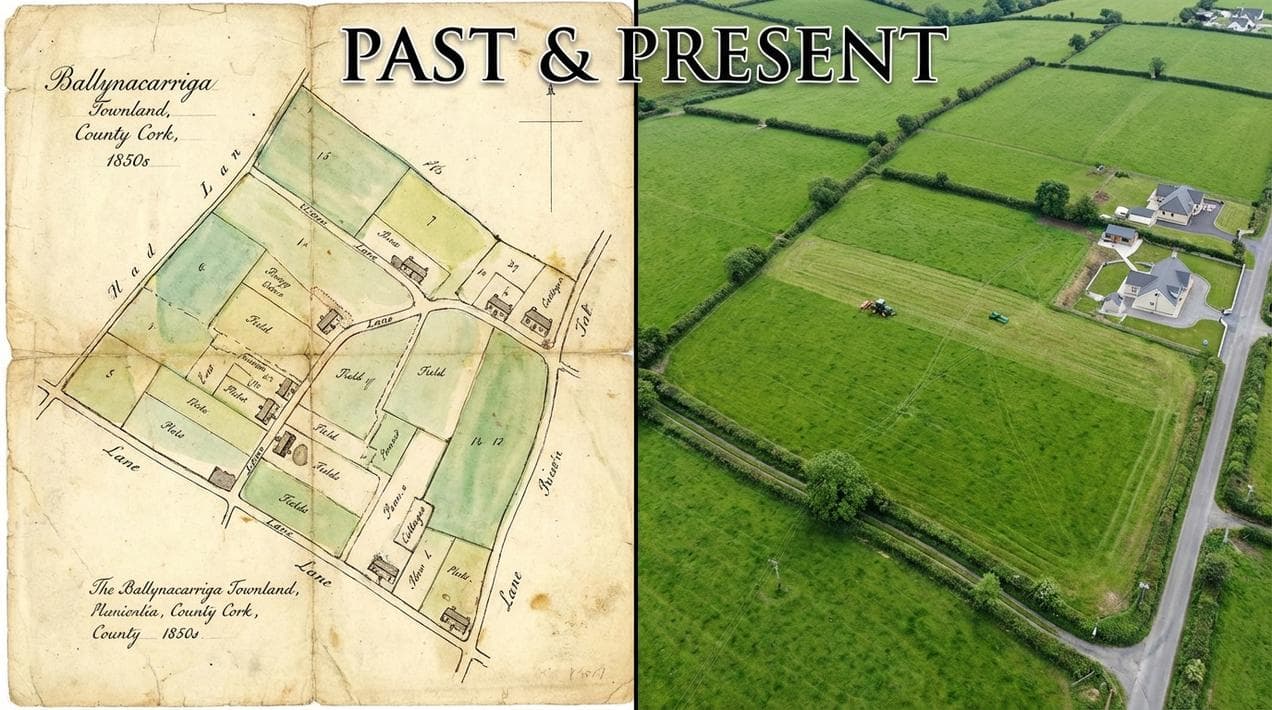
You find three "Patrick Murphys" born in Cork in the same year. The parish records are in faded Latin that you can't read. You know your great-grandmother came from a townland called "Bally-something," but it doesn't appear on Google Maps.
This is the crossroads. Do you keep digging yourself, or do you hire a professional?
For many, the idea of paying someone to look up records seems unnecessary. But professional genealogy in Ireland is not just about "looking up records." It is about interpreting history, navigating undigitized archives, and solving puzzles that computer algorithms can't touch.
This guide breaks down the real costs, the benefits, and the specific scenarios where hiring a pro is the only way forward.
(This comparison is part of our master Returning Home: The Ultimate Guide to Tracing Your Irish Roots. If you want to try the research yourself first, read our Beginner’s Guide to Starting Your Tree).
The DIY Route: When to Do It Yourself
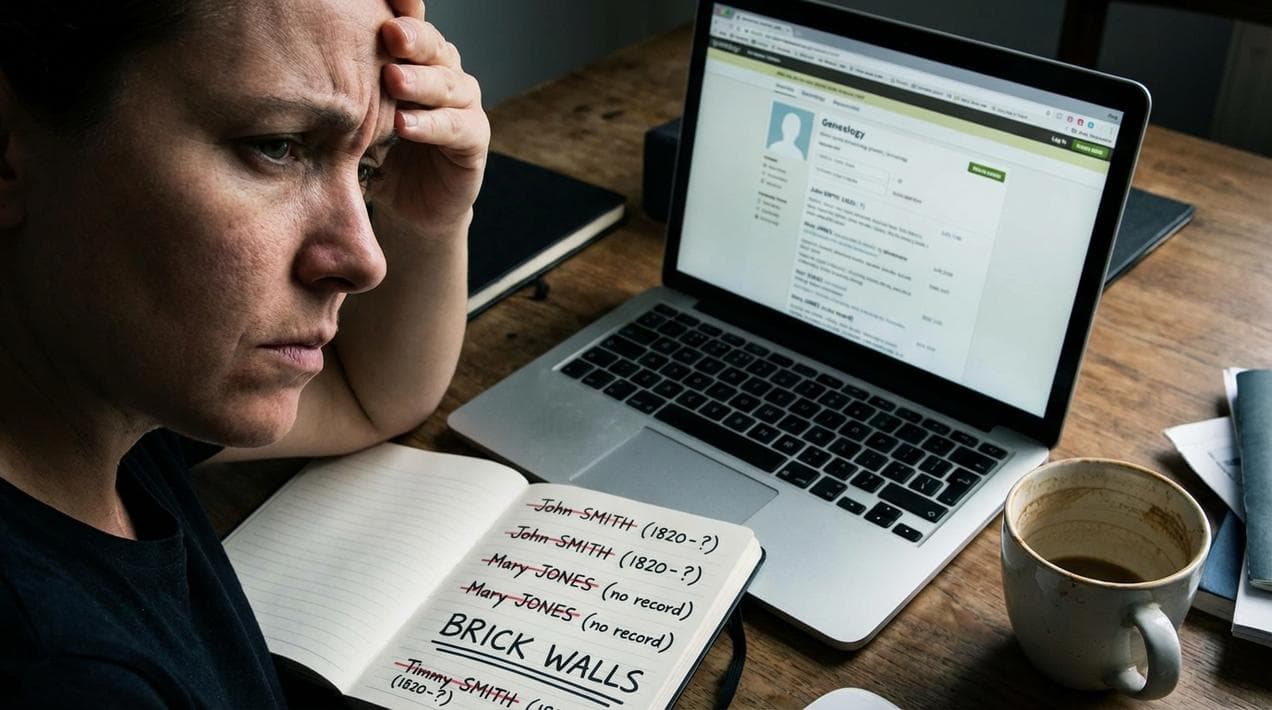
We are big fans of DIY research. It is rewarding, emotional, and often free. You should absolutely do the "easy" legwork yourself.
What You Can Do for Free
- The 1901 & 1911 Census: These are fully digitized and free. You don't need a pro to find your grandfather if he was living in Dublin in 1911.
- Civil Records (Post-1864): Birth, marriage, and death certs after 1864 are available online. If you have unique names and clear dates, you can find these easily.
- The Limit: DIY works best when the records are online and in English. Once you go back before 1850, or into common names (Kelly, Murphy, Ryan), the difficulty spikes.
The Professional Route: What Are You Paying For?
When you hire an Irish Genealogist, you aren't paying for access to a secret website. You are paying for Context and Access.
1. Decoding the "Latin Mess"
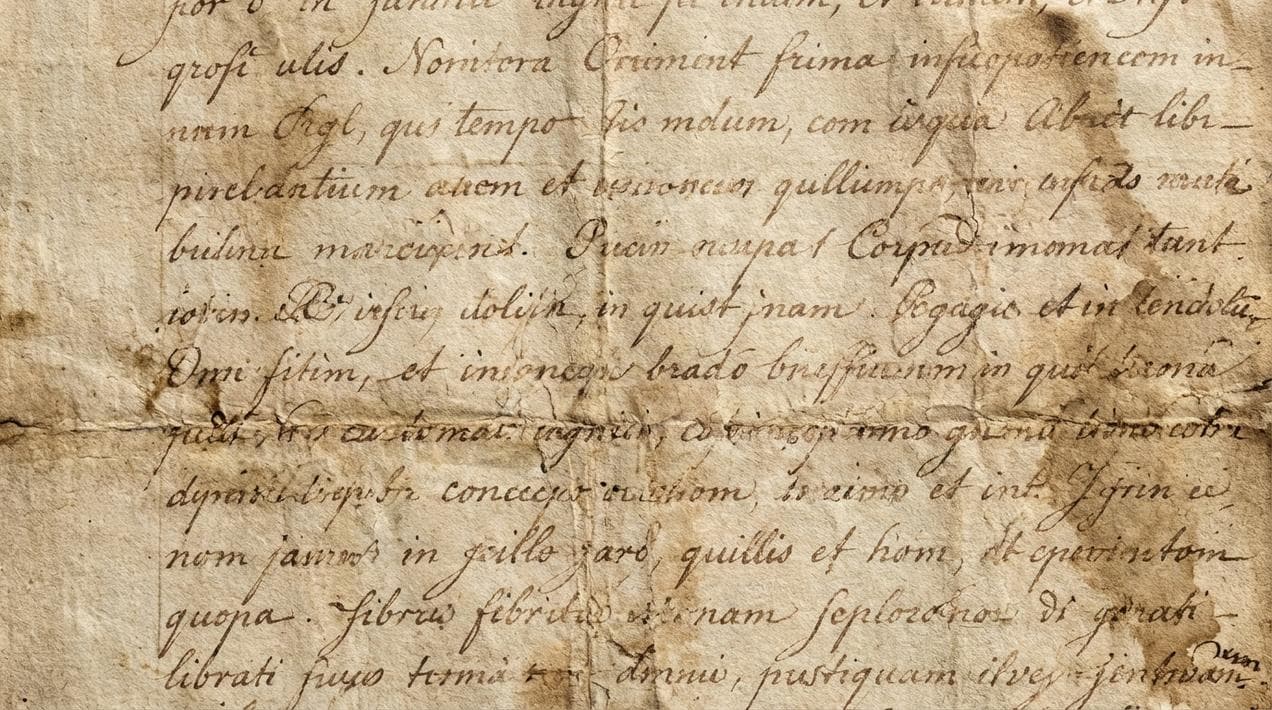

Pre-1864 records are mostly Catholic Parish registers. They are often handwritten in messy Latin.
- The Pro: They can distinguish between Jacobus (James) and Johannes (John) in 150-year-old faded ink. They know the Latin abbreviations for "Illegitimate" or "Twin," which reveal family secrets.
2. The "Undigitized" Archives
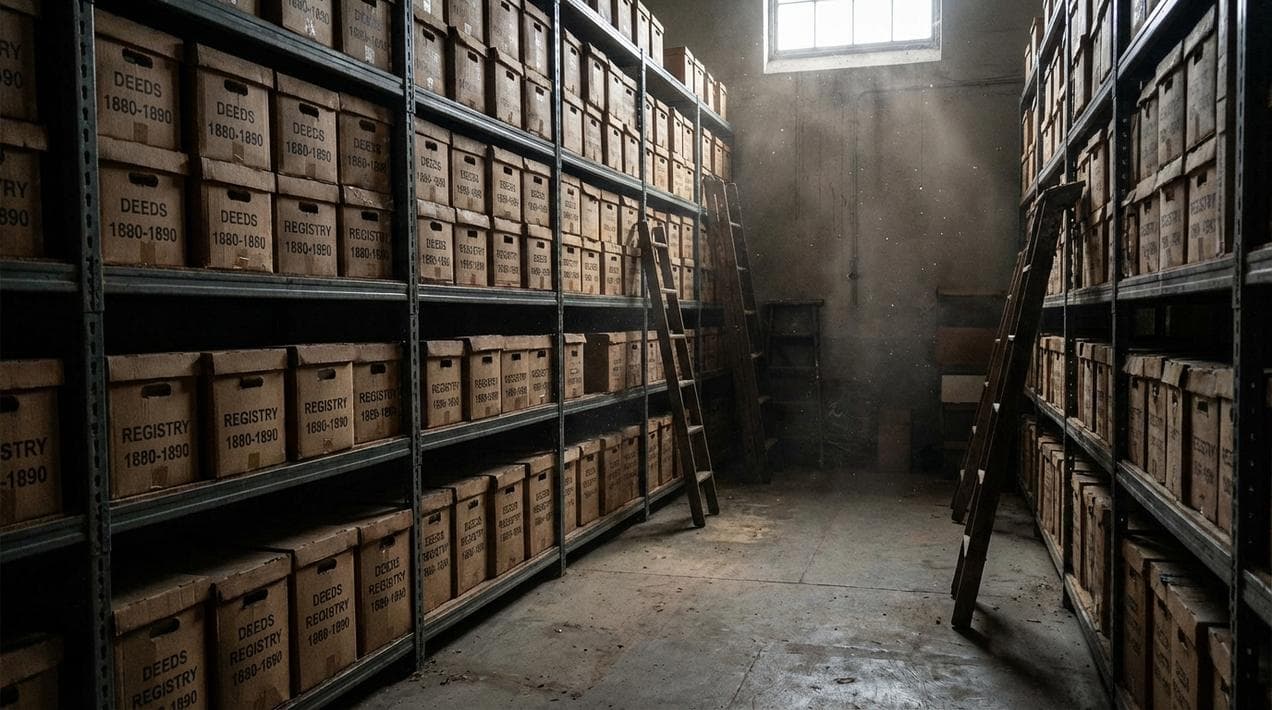
This is the biggest misconception. Not everything is online.
- Registry of Deeds: A goldmine of property records going back to 1708. It is mostly offline.
- Estate Papers: The records kept by the big Landlords (listing their tenants) are often held in private archives or the National Library, not on Ancestry.com. A pro can physically go there for you.
3. Local Knowledge (The "Bally" Problem)
There are 64,000 townlands in Ireland.
- The Pro: They know that "Ballymagowan" might be spelled "Ballygowan" in 1850 and "Ballimagoin" in 1820. They understand the phonetic spelling of local dialects.
The Costs: How Much Does It Actually Cost?
Genealogy pricing can be opaque. Here is a realistic breakdown of rates in Ireland for 2026.
1. The Hourly Rate (€60 - €100)
Most genealogists charge by the hour.
- Junior Researchers: €50 - €70 per hour.
- Accredited Experts (A.G.I. Members): €80 - €120 per hour.
- What you get: A report detailing what they searched (even if they found nothing, which is valuable information) and copies of any documents found.
2. The "Assessment" Package (€150 - €300)
Meet a Local Guide

Greetings!
Many pros offer an initial "Assessment."
- What it is: You send them everything you know. They review it for 2-3 hours and tell you: "Yes, research is possible" or "No, the records for that parish are lost, save your money."
- Verdict: Highly Recommended. It prevents you from spending €1,000 on a wild goose chase.
3. The Full Family History (€500 - €2,000+)
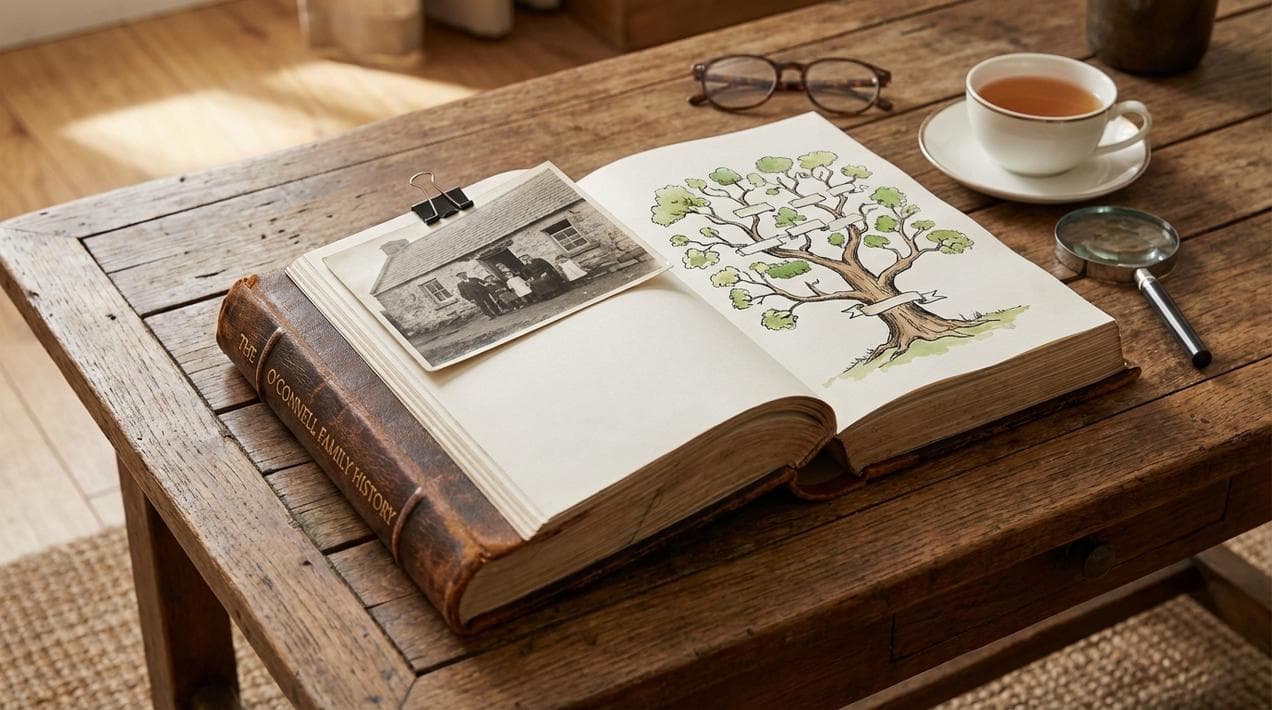
This is the full service.
- Deliverable: A bound book or detailed PDF with your family tree, copies of maps, photos of the homestead, and a narrative history of the family.
- Best For: A 60th Birthday present or preparing for a "Trip Home."
Red Flags: How to Spot a Scammer
Genealogy is unregulated, but there is a professional body in Ireland: Accredited Genealogists Ireland (AGI).
- Red Flag 1: "Guaranteed Results." No honest genealogist can guarantee they will find your ancestor. The records might simply not exist.
- Red Flag 2: "I have a secret database." There are no secret databases. There are only hard-to-access archives.
- The Gold Standard: Look for the letters M.A.G.I. (Member of Accredited Genealogists Ireland) after their name. This means they have been vetted by peers.
Case Study: The "Common Name" Problem
Let's look at a real-world example.
The User: "I am looking for Patrick Kelly, born in Ireland around 1850. His father was John." The DIY Result: A search for "Patrick Kelly" with father "John" in the 1850s yields 4,500 matches. It is impossible.
The Pro Approach:

- They look at the US records first (witnesses at weddings, neighbors in the US census).
- They find a cousin named "O'Dea" living next door in Boston.
- They know O'Dea is a rare name from County Clare.
- They search only County Clare records for Patrick Kelly.
- Result: They find the one correct Patrick Kelly in 1 hour.
The Verdict: Who Should Hire a Pro?
Stick to DIY If:
- Your ancestors left Ireland after 1900.
- You have a very unusual surname (e.g., "Kinch" or "Dargan").
- You just want a basic tree for fun.
Hire a Genealogist If:
- Your ancestors left during or before the Famine (1847).
- Your surname is extremely common (Murphy, Kelly, Walsh, Ryan).
- You are planning a trip to Ireland and want to visit the specific house. (See our guide on Visiting Your Ancestral Townland).
- You are applying for Irish Citizenship by Descent and need certified proofs.
Start Your Search
Don't let a "Brick Wall" stop you from finding your roots. Connect with an accredited researcher who can unlock the archives for you.
Table of Contents
Share this post
More from the Blog

Cork to Blarney Castle Day Trip: The Stone, the Gardens and What Else to See
Plan a Cork to Blarney Castle day trip. Kiss the stone, explore the Poison Garden, and add Cork city, Fota or Kinsale for a full day out.

Cork to Cobh Day Trip: Titanic, Colourful Houses and Harbour History
Plan a Cork to Cobh day trip by train, car or private driver. Explore Titanic history, St Colman's Cathedral, Spike Island and the best harbour views.

Cork to Killarney Day Trip: Lakes, Mountains and Muckross in One Day
A Cork to Killarney day trip is a longer escape into Kerry. Here's how to plan the drive, what to see in Killarney National Park, and why a private driver helps.