
Irish Census & Parish Records: A Guide to the Archives
If you are researching your Irish roots, you will eventually end up in the "Archives."
For some, this is a magical place where you find a handwritten signature of a great-grandfather you never met. For others, it is a maze of confusing websites, Latin abbreviations, and missing dates.
The Irish record system is unique. Unlike the US or UK, we have a massive gap in our census records due to the destruction of the Public Record Office in 1922. This means you cannot simply "click back" every 10 years. You have to be creative. You have to jump from Census to Land Valuation to Church Ledger.
This guide is your roadmap to the "Big Three" archives: The National Archives (Census), the National Library (Parish Records), and the General Register Office (Civil Records).
(This archive guide is part of our master Returning Home: The Ultimate Guide to Tracing Your Irish Roots. If you don't know your ancestor's parish yet, start with our Beginner’s Guide to Starting Your Tree).
1. The National Archives: The 1901 & 1911 Census
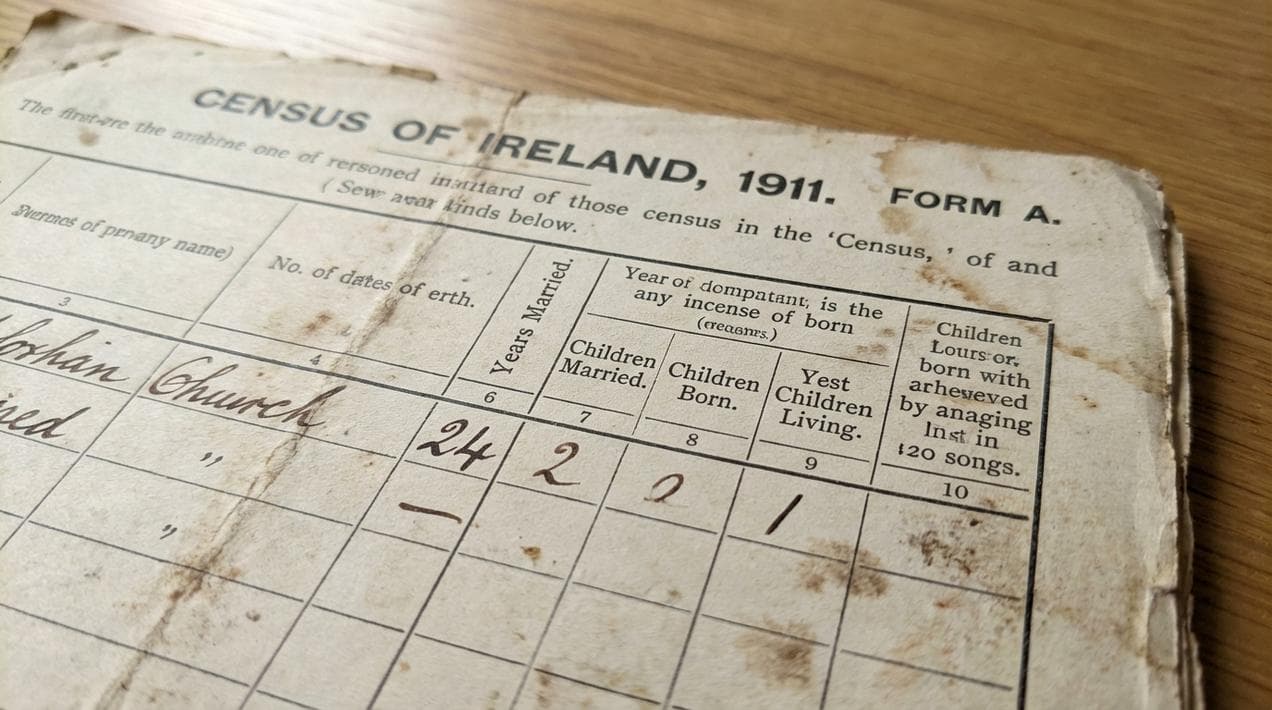
This is the starting point for 99% of researchers. These are the only two complete censuses that survived for all of Ireland. They are fully digitized, searchable, and completely free.
Where to Search
- Website:
census.nationalarchives.ie - What you will see: You enter a name, and it shows you the original scan of the "Form A" (Household Return) filled out by the head of the family on Census night.
Hidden Details to Look For
Don't just look at the names. Look at the columns:
- "Years Married": In the 1911 Census, women had to state how long they had been married and how many children they had born vs. how many were still living. This is heartbreaking but crucial data for finding deceased siblings.
- "Irish Language": Look at the "Irish Language" column. If it says "Irish and English," your ancestor was bilingual. If it says "Irish," they may have been a native speaker.
- The Signature: At the bottom right of Form A is the signature of the Head of Household. Seeing your great-grandfather’s handwriting is a powerful moment.
The "Age" Trap
Irish people in the early 20th century were notoriously casual about their age.
- The Pension Act: The Old Age Pension was introduced in 1908 for people over 70.
- The Result: Thousands of people who were "60" in the 1901 Census suddenly became "72" in the 1911 Census to qualify for the money. Do not trust the ages implicitly.
2. The "Census Substitutes": Griffith's Valuation
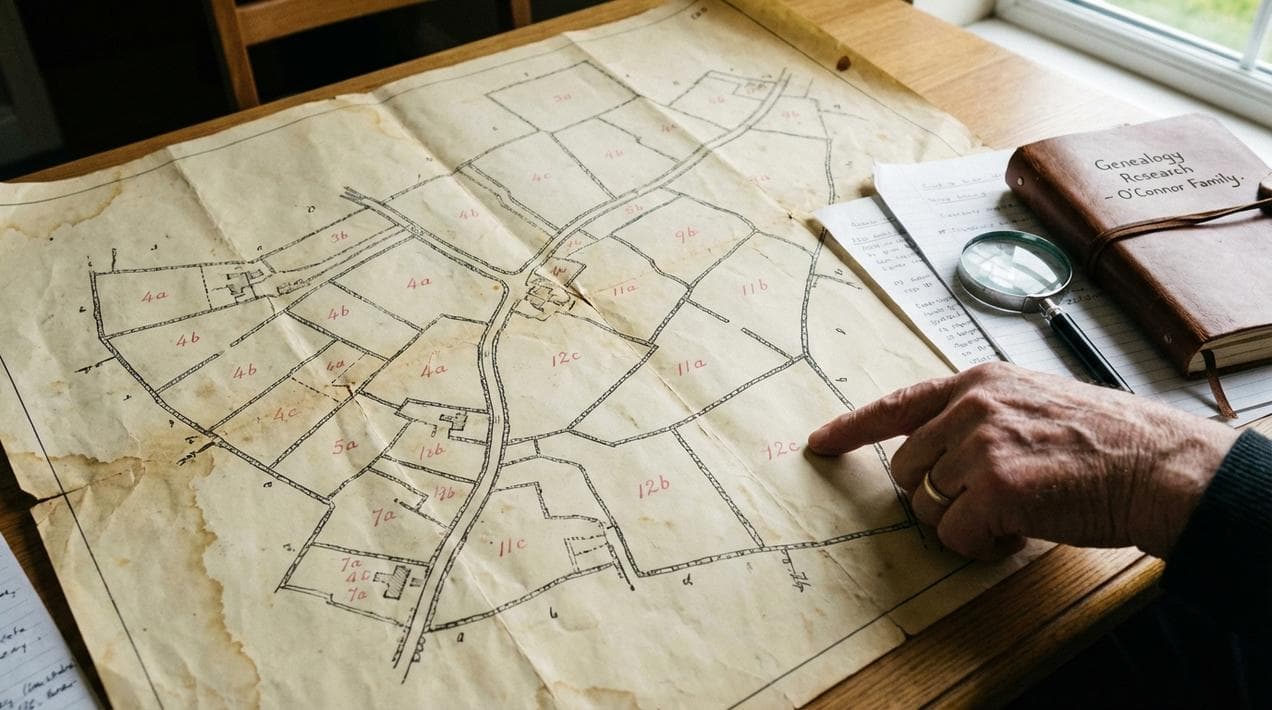
Because the 1821–1891 censuses were destroyed, we need a substitute to bridge the gap back to the Famine era. The gold standard is Griffith's Valuation (1847–1864).

What is it?
It was a property tax survey. It lists the Occupier (your ancestor) and the Immediate Lessor (the landlord) for every plot of land in Ireland.
How to Use It
- Website:
askaboutireland.ie(Free). - The Goal: It places your ancestor in a specific Townland and Parish.
- The Map Feature: The website allows you to see the original "Valuation Map." You can pinpoint the exact field your family rented.
- Limitations: It only lists the Head of Household. It does not list wives or children. If your ancestor was a landless laborer living in a shed, they might not appear.
3. The National Library: Catholic Parish Registers
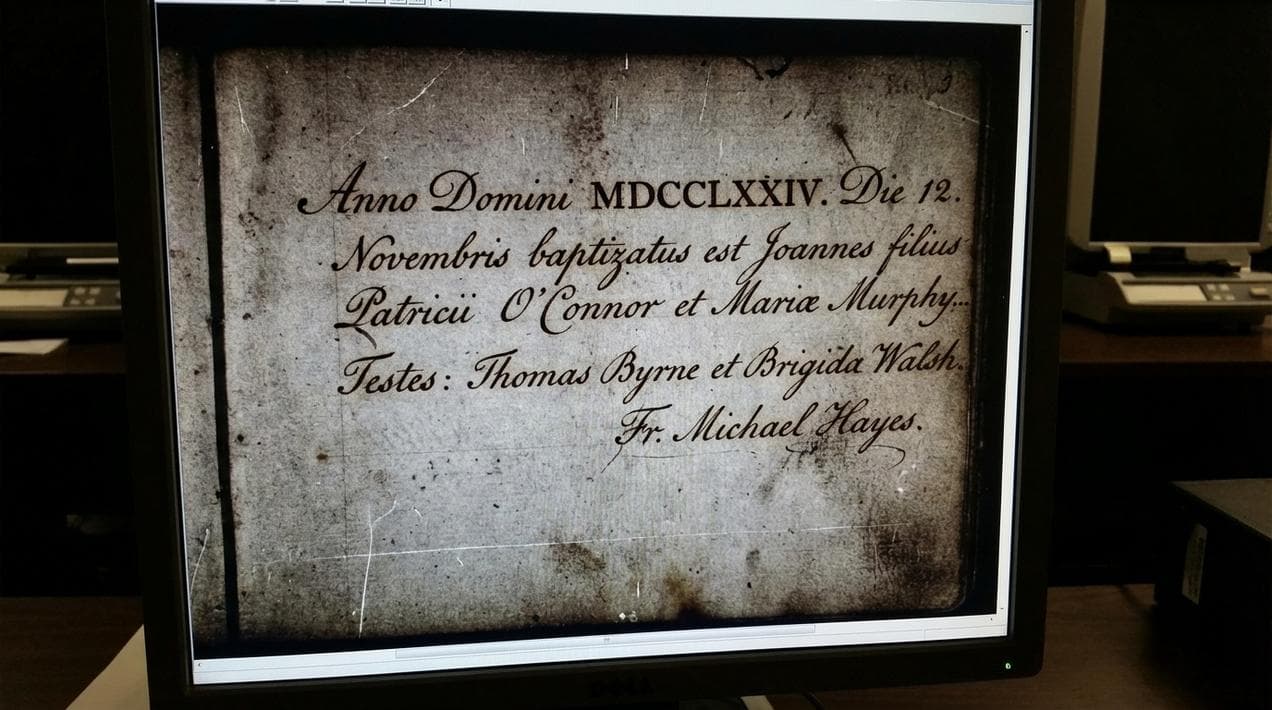
Civil registration (birth certs) didn't start until 1864. Before that, the only record of your existence was the church. The National Library of Ireland (NLI) has digitized almost all Catholic parish registers up to 1880.
Where to Search
- Website:
registers.nli.ie(Free). - The Format: These are Microfilm Images. They are not typed out. You are looking at photographs of the priest's handwritten book.
How to Navigate Them
- Select the Parish: You must know the parish name (e.g., "Skibbereen").
- Select the Event: "Baptisms" or "Marriages."
- Browse by Date: Open the book at the relevant year and start reading page by page.
The Challenge: Latin & Handwriting
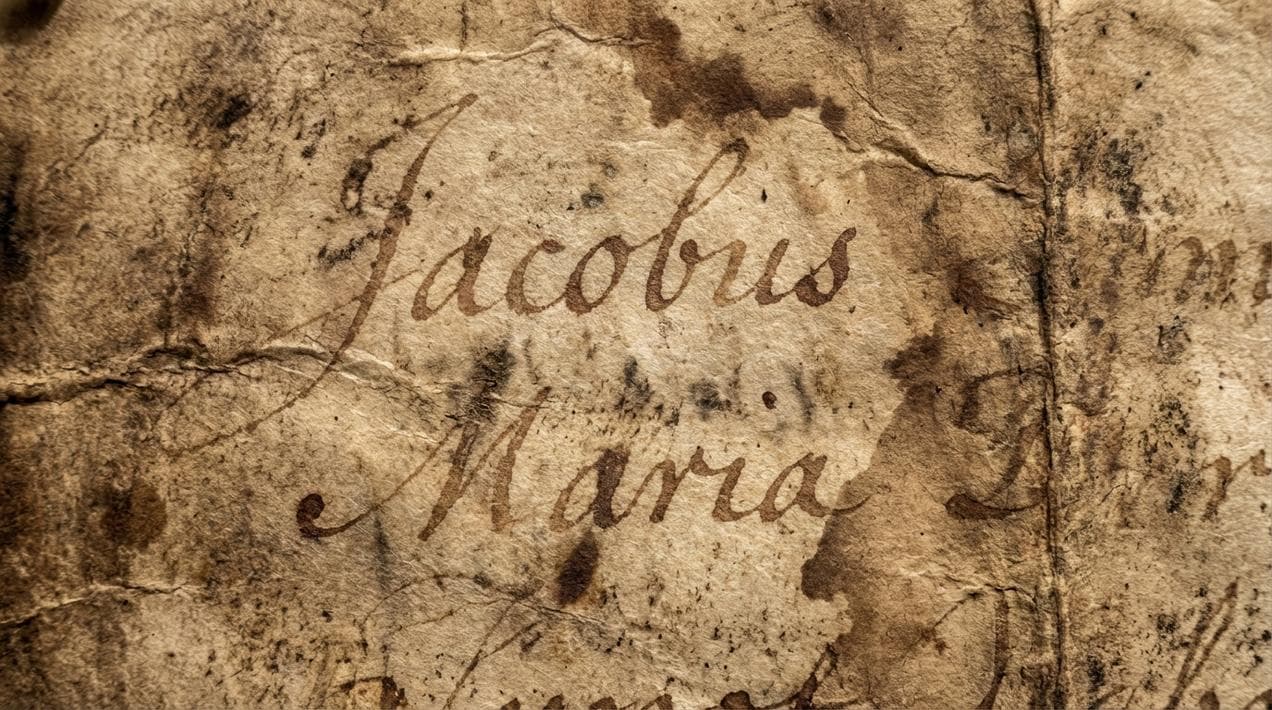
Priests often wrote in Latin.
- Jacobus = James
- Gulielmus = William
- Maria = Mary

- Ioannes = John
- The "Spaghetti" Script: Some priests had terrible handwriting. Ink fades. Pages are torn. This is often where researchers hit a brick wall and need to hire a Professional Genealogist to decipher the text.
4. The General Register Office (GRO): Civil Records
For births, marriages, and deaths after 1864, the state took over. These records are clearer and contain more information than church records.
Where to Search
- Website:
IrishGenealogy.ie(Free). - What you get:
- Birth Certs: Mother’s maiden name (crucial for going back a generation).
- Marriage Certs: Fathers' names of both bride and groom.
- Death Certs: Cause of death and the name of the "Informant" (usually a son or daughter present at death).
The "100 Year Rule"
To protect privacy, some records are not online instantly:
- Births: Only older than 100 years.
- Marriages: Only older than 75 years.
- Deaths: Only older than 50 years.
5. The "Lost" Records (1922)
You will hear this constantly: "My records were burned in the fire." It is important to know exactly what was lost so you don't waste time searching for it.
Destroyed in 1922:
- Census Returns: 1821, 1831, 1841, 1851.
- Most Wills and Testamentary records.
- Church of Ireland (Protestant) Parish Records that had been deposited in the archive for "safekeeping."
Survived:
- The 1901/1911 Census.

- Civil Records (GRO): These were kept in a different building (The Custom House).
- Catholic Parish Records: These were kept by the local priests in the churches, so they were safe.
6. Tithe Applotment Books (1823–1837)
Before Griffith's Valuation, there were the Tithe Books.
- What: A list of people who paid tithes (taxes) to the Church of Ireland (regardless of their religion).
- Value: It is the best "Census Substitute" for the pre-Famine period (1820s).
- Limit: It only lists landholders, not laborers.
7. How to Organize Your Search
Don't just dive in. Follow this workflow to avoid "Archive Fatigue."
- Start with 1911: Find the family in the 1911 Census. Note the ages.
- Jump to 1901: Find them in the 1901 Census. Note the parents' names.
- Find the Marriage: Search
IrishGenealogy.iefor the parents' marriage (approx 1 year before the eldest child was born). - Find the Births: Use the marriage date to find the births of the children.
- Jump to Griffith's: Use the father's name to find the land in Griffith's Valuation (1850s).
- Check the Parish: Use the location from Griffith's to browse the NLI Parish Registers for the baptism of the father.
When to Call in a Pro
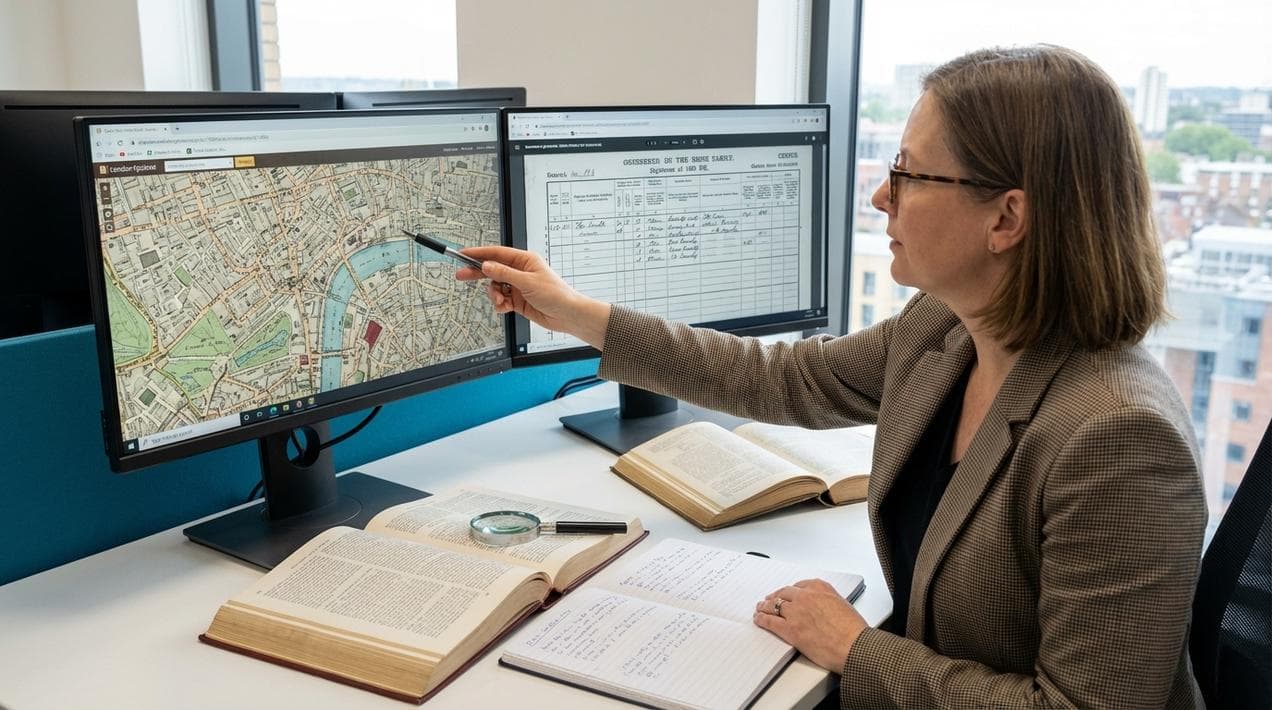
Searching these archives is fun, but it can be frustrating.
- The "Common Name" Issue: Searching for "Mary Murphy" in Cork is like searching for a needle in a haystack.
- The "Illegible" Issue: If you find the baptism entry but literally cannot read the parents' names because of a coffee stain from 1840.
- The "Offline" Issue: Some records (Estate Papers, Registry of Deeds) are strictly offline. You physically have to go to Dublin to see them.
This is when you hire a researcher. They are trained in palaeography (reading old script) and have access to the physical reading rooms.
Table of Contents
Share this post
More from the Blog

Cork to Blarney Castle Day Trip: The Stone, the Gardens and What Else to See
Plan a Cork to Blarney Castle day trip. Kiss the stone, explore the Poison Garden, and add Cork city, Fota or Kinsale for a full day out.

Cork to Cobh Day Trip: Titanic, Colourful Houses and Harbour History
Plan a Cork to Cobh day trip by train, car or private driver. Explore Titanic history, St Colman's Cathedral, Spike Island and the best harbour views.

Cork to Killarney Day Trip: Lakes, Mountains and Muckross in One Day
A Cork to Killarney day trip is a longer escape into Kerry. Here's how to plan the drive, what to see in Killarney National Park, and why a private driver helps.