
How to Find and Visit Ancestral Graves in Ireland
For many, this is the ultimate goal of the journey. You don't just want to see the name on a computer screen. You want to run your fingers over the letters carved into stone. You want to stand where they stood.
But finding an ancestor's grave in Ireland is not like finding one in Arlington or a neatly mapped city cemetery. Irish graveyards are ancient, chaotic, and often incredibly overgrown. There are 1,000-year-old monastic sites where Victorian headstones lean against medieval ruins. There are "Famine Pits" where thousands lie without a single marker.
If you fly to Ireland assuming you can just "walk in and find it," you will likely leave disappointed. You need a strategy.
This guide will show you how to locate, visit, and honor your ancestors' final resting place.
(This guide is part of our master Returning Home: The Ultimate Guide to Tracing Your Irish Roots. To ensure you are looking in the right parish, start with our Beginner’s Guide to Starting Your Tree).
Phase 1: The Desktop Research (Do This at Home)
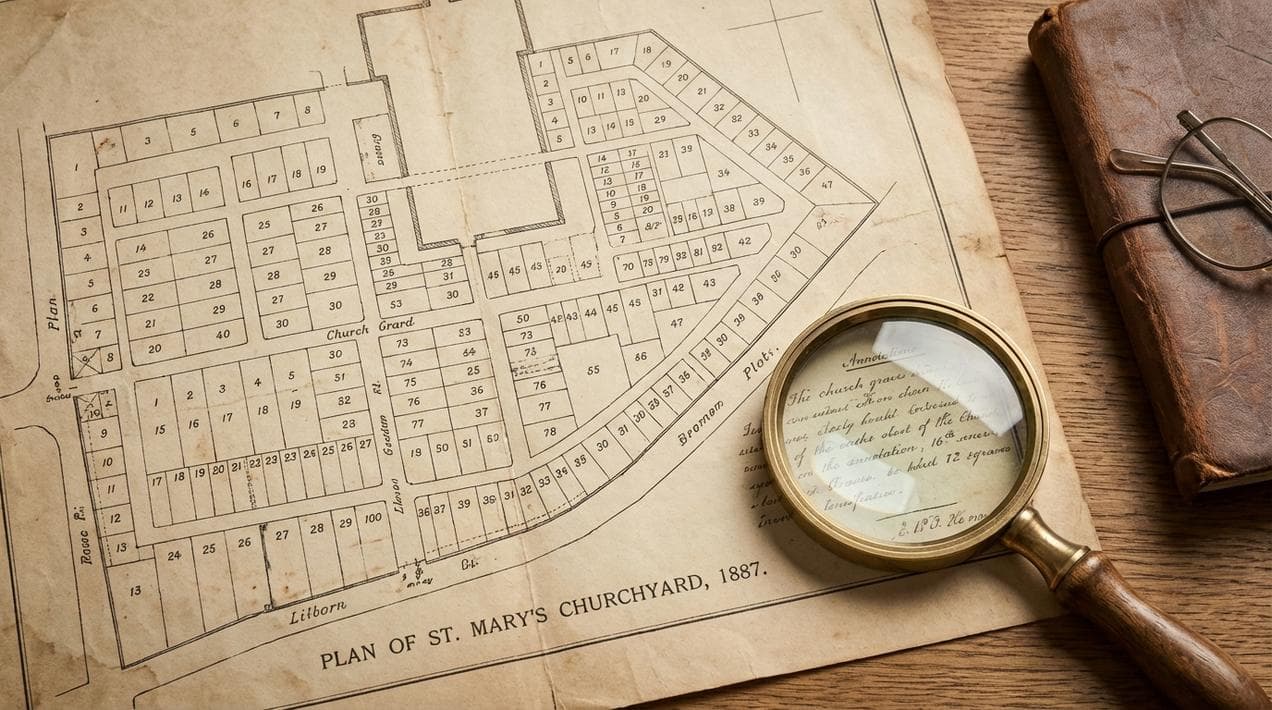
Do not get on the plane until you have narrowed down the location. Ireland has thousands of graveyards.
1. Find the Death Certificate
You cannot find the grave if you don't know where they died.
- Post-1864: Civil death records are available on
IrishGenealogy.ie. This will tell you the "Place of Death" (Townland) and usually the "District." - The Rule: People were usually buried in the nearest graveyard to their parish church or the workhouse where they died.
2. Check the "Big Three" Databases
Volunteers have spent years photographing headstones. Check these before you travel:
- HistoricGraves.com: An incredible community project where local groups geo-tag headstones.
- FindAGrave.com: The global standard, but coverage in rural Ireland can be patchy.
- IGP-Web.com (Ireland Genealogy Projects): A hidden gem with thousands of transcribed headstones organized by county.
3. The "Denomination" Trap
- Catholic: Usually buried in the parish graveyard surrounding the church.

- Protestant (Church of Ireland): Often buried in older, walled graveyards.
- Note: Before 1829 (Catholic Emancipation), many Catholics were buried in Protestant graveyards because they were the only consecrated ground available. Don't ignore the old "Protestant" churchyard just because your family was Catholic.
Phase 2: The Physical Search
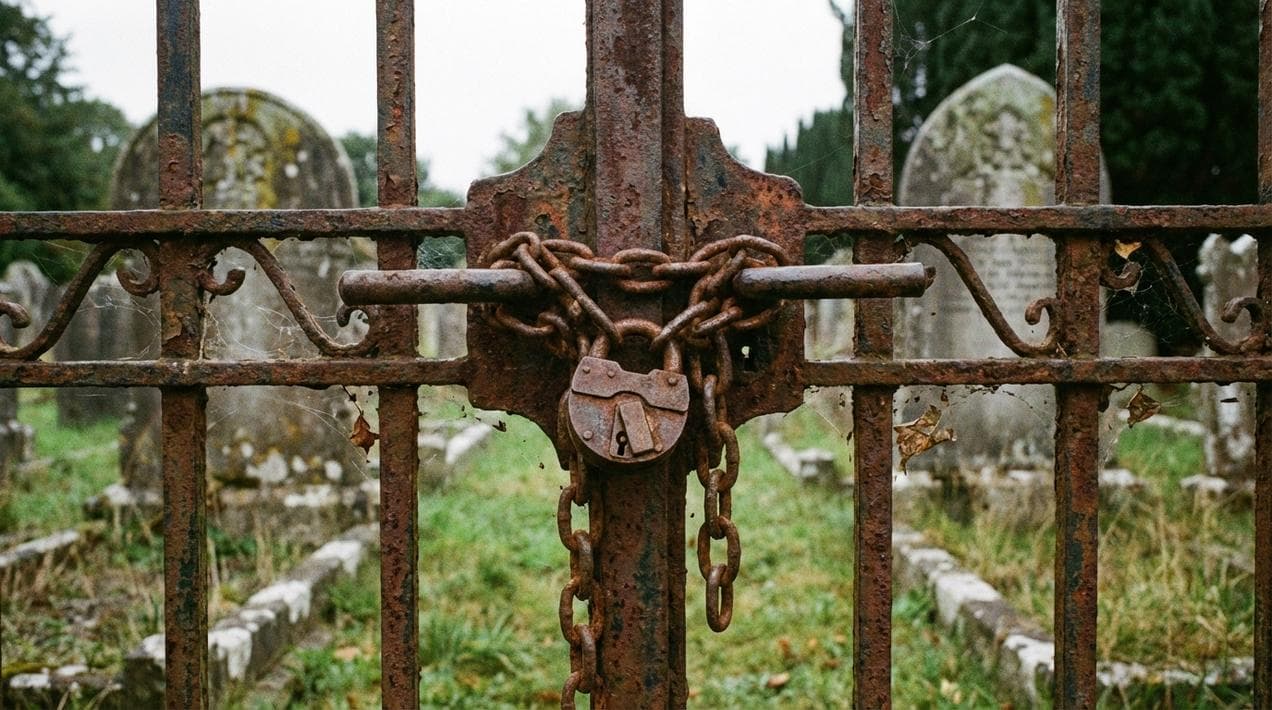
You have arrived in the parish. You are standing at the gate of the old graveyard. Now the real work begins.
1. The "Caretaker" and the Key
Many rural graveyards are locked to prevent vandalism or sheep entering.
- The Sign: Look for a small sign on the gate saying "Keyholder: Mrs. O'Shea, 087..."
- The Pub Hack: If there is no sign, go to the nearest pub or post office. Ask: "Who holds the key for the old cemetery?" They always know.
- Etiquette: The keyholder is usually a volunteer neighbor. Be polite. Return the key immediately.
2. Navigating the Chaos
Old Irish graveyards are not laid out in grids. They are organic.
- The Terrain: The ground is often uneven (sunken graves). Wear sturdy boots.
- The Overgrowth: In summer, nettles and brambles can be waist-high. Bring a walking stick to beat back the vegetation safely.
- The Moss: Headstones facing away from the prevailing wind often become completely covered in green moss or lichen, making them unreadable.
Phase 3: Cleaning the Headstone (The Strict Rules)
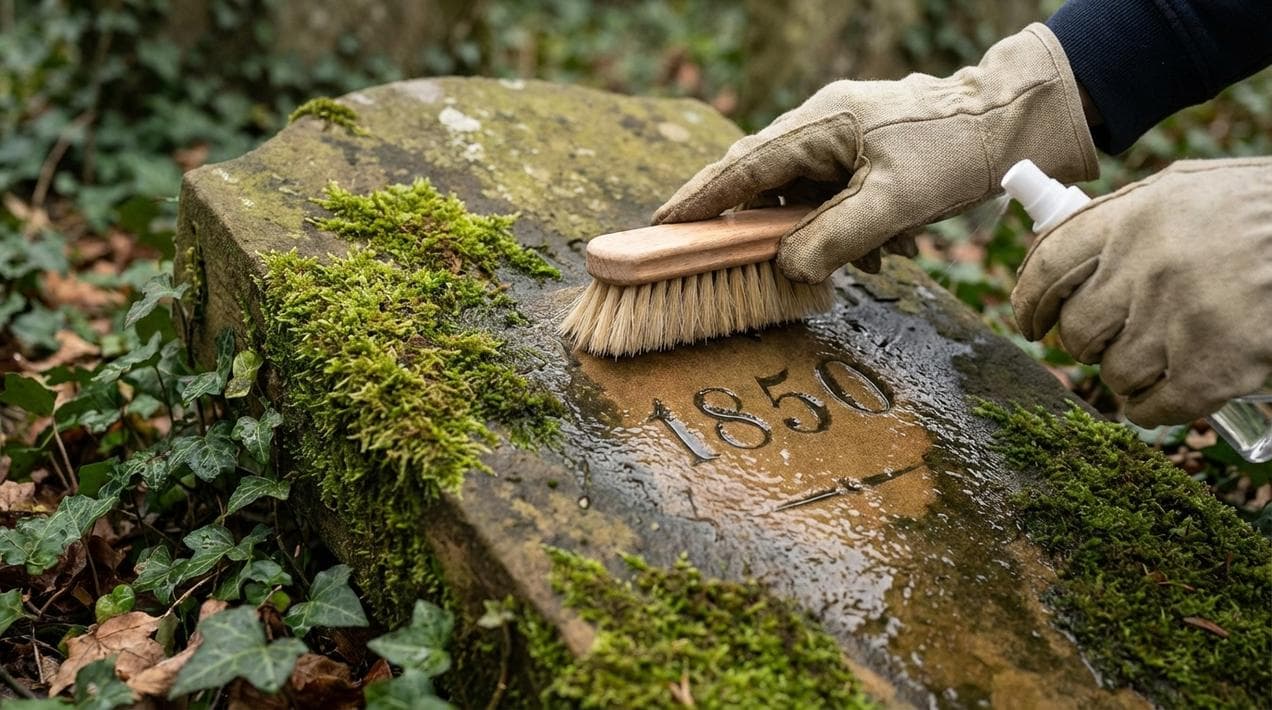
You find a stone that might be it, but it is covered in 100 years of grime. Stop. There is a strict etiquette to cleaning headstones. Doing it wrong can destroy the stone and get you screamed at by locals.
The "Do Not" List
- NEVER use wire brushes.
- NEVER use household bleach or harsh chemicals.
- NEVER use flour or shaving cream to make the letters "pop" (this feeds the lichen and destroys the stone later).
- NEVER try to scrape off lichen with a knife.
The Correct Method
- Water: Bring a large bottle of plain water.
- Soft Brush: Use a soft-bristle nylon brush (like a car wash brush).
- The Process: Wet the stone. Gently scrub in a circular motion. Rinse.
- Patience: Sometimes, just wetting the stone makes the inscription readable for a few minutes as it dries. Take your photo then.
Phase 4: The Reality of "Unmarked Graves"
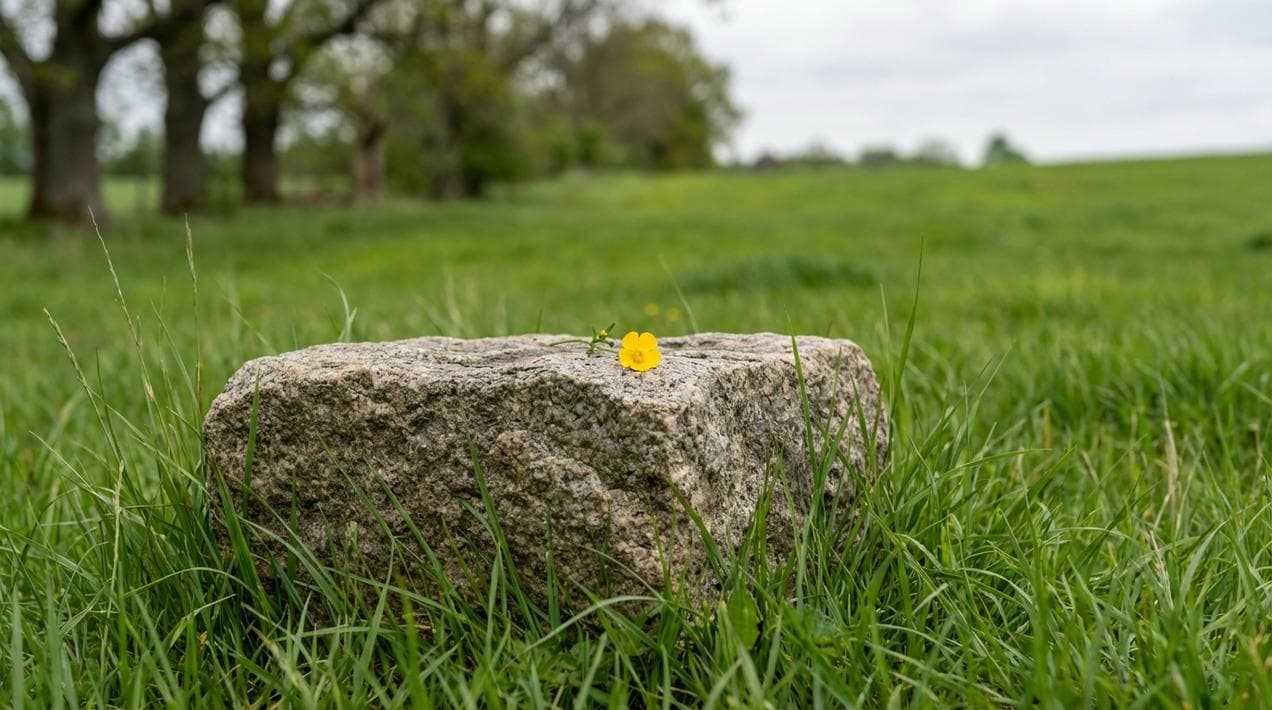
This is the hardest part to accept. If your ancestors were poor, or if they died during the Great Famine (1845–1852), they likely do not have a headstone.
The "Pauper's Grave"
Stones cost money. Most tenant farmers marked graves with a simple field stone (a rough rock with no writing) or a wooden cross that rotted away 100 years ago.
- The Reality: You might find the area where they are buried, but not the specific spot.
The Workhouse Graveyards
If your ancestor died in the Workhouse, they were buried in a mass communal plot nearby.
- What to look for: These are often marked today with a simple commemorative plaque saying "In Memory of the Famine Victims."
- The Action: Lay flowers at the central memorial. It is just as meaningful.
Phase 5: Logistics & Hiring Help

Searching for a grave is time-consuming. It is not something you can do in a 30-minute stop.
Why Hire a Driver-Guide?
- Access: They know the keyholders.
- Safety: They can help you navigate difficult terrain (climbing over stiles/walls).
- Local Knowledge: A local driver often knows which families are buried in which corner. "Oh, the Sullivans are all over by the big Yew tree."
- Read More: See our guide on Visiting Your Ancestral Townland for more on planning this trip.
Why Hire a Genealogist?
If you can't find the stone, a genealogist might find the Burial Register.
- This is a book kept by the caretaker that lists exactly where someone is buried (e.g., "Row 4, Plot 2"), even if there is no headstone.
- Read More: Is it worth the cost? Check our Genealogist Cost Guide.
Phase 6: What to Leave Behind
You have found them. You have taken your photos. Now you want to leave a tribute.
- Flowers: Simple wildflowers are best. Avoid plastic wreaths (they blow away and litter the countryside).
- Stones: In Jewish and Celtic tradition, placing a small pebble on the headstone is a sign that "Someone was here, you are remembered."
- Soil: Some diaspora bring a tiny vial of soil from their home in Boston or Sydney to sprinkle on the grave, symbolizing the "return" of their descendants.
Conclusion: It's About the Journey
Even if you find nothing but a field full of unreadable mossy rocks, the trip is not a failure. You are standing in the same wind and rain that they stood in. You have made the effort to return. In Irish culture, the act of remembering is what keeps the dead alive.
Plan Your Pilgrimage
Don't navigate the back roads alone. Connect with local experts who can help you find, clean, and honor the right stone.
Table of Contents
Share this post
More from the Blog

Cork to Blarney Castle Day Trip: The Stone, the Gardens and What Else to See
Plan a Cork to Blarney Castle day trip. Kiss the stone, explore the Poison Garden, and add Cork city, Fota or Kinsale for a full day out.

Cork to Cobh Day Trip: Titanic, Colourful Houses and Harbour History
Plan a Cork to Cobh day trip by train, car or private driver. Explore Titanic history, St Colman's Cathedral, Spike Island and the best harbour views.

Cork to Killarney Day Trip: Lakes, Mountains and Muckross in One Day
A Cork to Killarney day trip is a longer escape into Kerry. Here's how to plan the drive, what to see in Killarney National Park, and why a private driver helps.