
Bushmills Distillery: Visiting the World's Oldest Licensed Distillery
The license hangs on the wall, yellowed with age but still legible: April 20, 1608. King James I grants Sir Thomas Phillips the right to distill "aquavitae" in the town of Bushmills, County Antrim. Four hundred and sixteen years later, that same license — the oldest for whiskey distilling in the world — still governs production at Bushmills Distillery.
While Jameson dominates the global market and Dublin's distilleries capture the city-break crowd, Bushmills operates in a different register. It's smaller, older, and carries the weight of history without the marketing machinery. The distillery sits on the River Bush, surrounded by the lush farmland of Northern Ireland's Causeway Coast, far from the tourist hordes of Temple Bar.
This is whiskey's ground zero. Everything Irish whiskey became — triple distillation, smooth character, global reputation — traces back to this site. But Bushmills doesn't shout about it. The experience here is quieter, more contemplative, and deeply rooted in place. You're not just visiting a distillery; you're walking into four centuries of continuous craft.
The History: Four Centuries in One Place
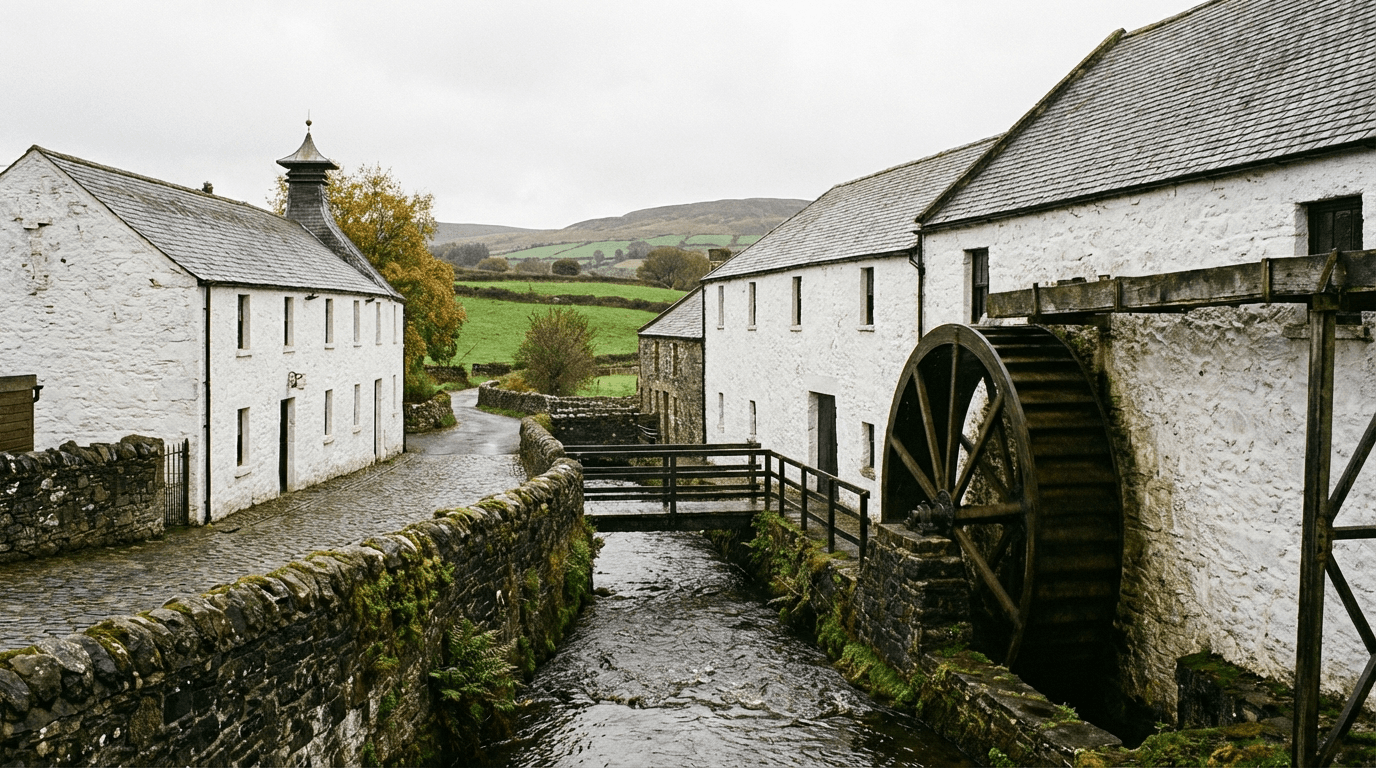
Bushmills' story begins long before that 1608 license. Monks were distilling spirit in the area as early as 1276 — the earliest written record of whiskey production in Ireland. The River Bush provided the essential ingredient: soft, peaty water that still flows through the distillery today.
The 1608 license formalized what was already happening. Sir Thomas Phillips, a local landowner with connections to the English court, secured royal permission to produce "aqua vitae" — water of life. The distillery has operated continuously since, surviving the Plantation of Ulster, the 1798 Rebellion, Prohibition in America, and the Troubles that devastated Northern Ireland's economy.
The visitor tour begins in the original 1784 mill building. Your guide — often someone whose family has worked here for generations — explains how Bushmills weathered these storms. During Prohibition, the distillery survived by exporting to "medicinal" markets and keeping production at reduced levels. During the Troubles, when tourism collapsed across Northern Ireland, Bushmills kept its doors open through sheer stubbornness and local loyalty.
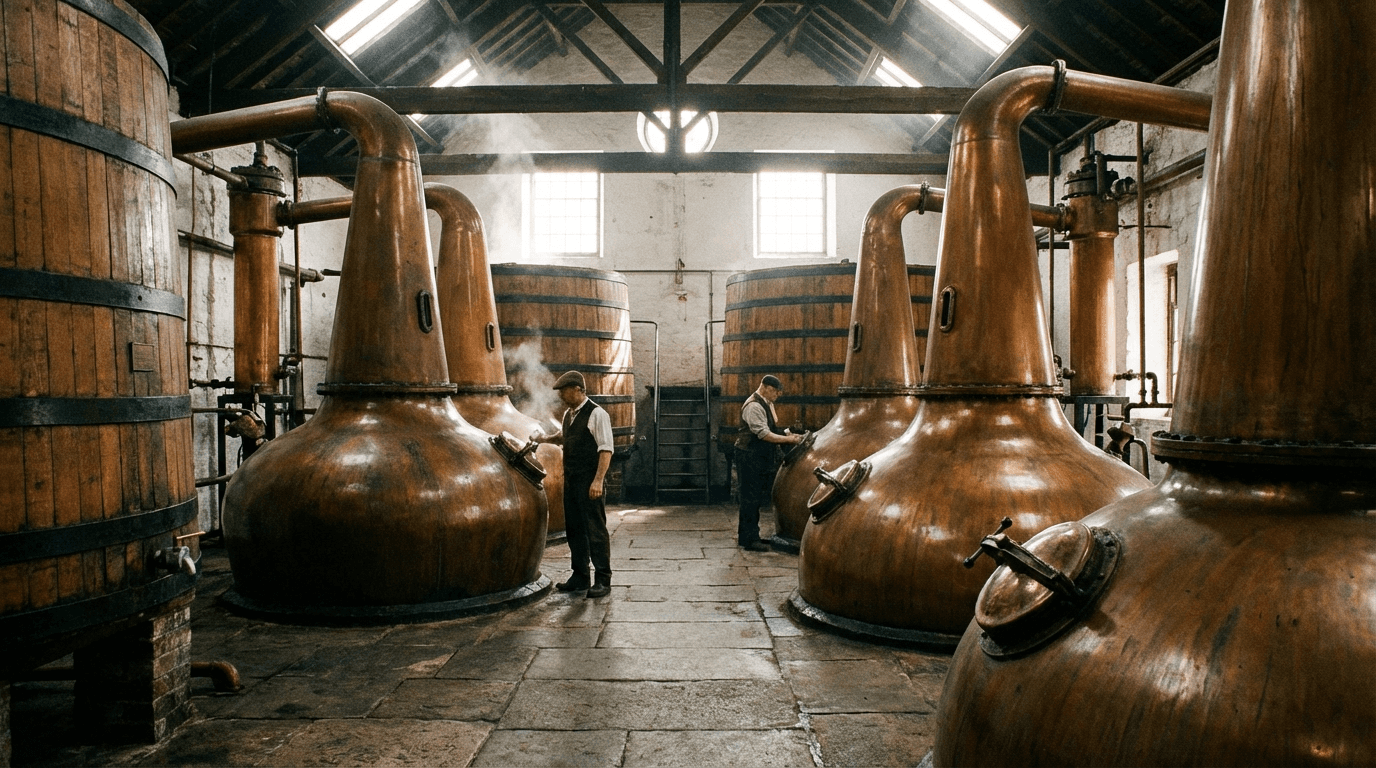
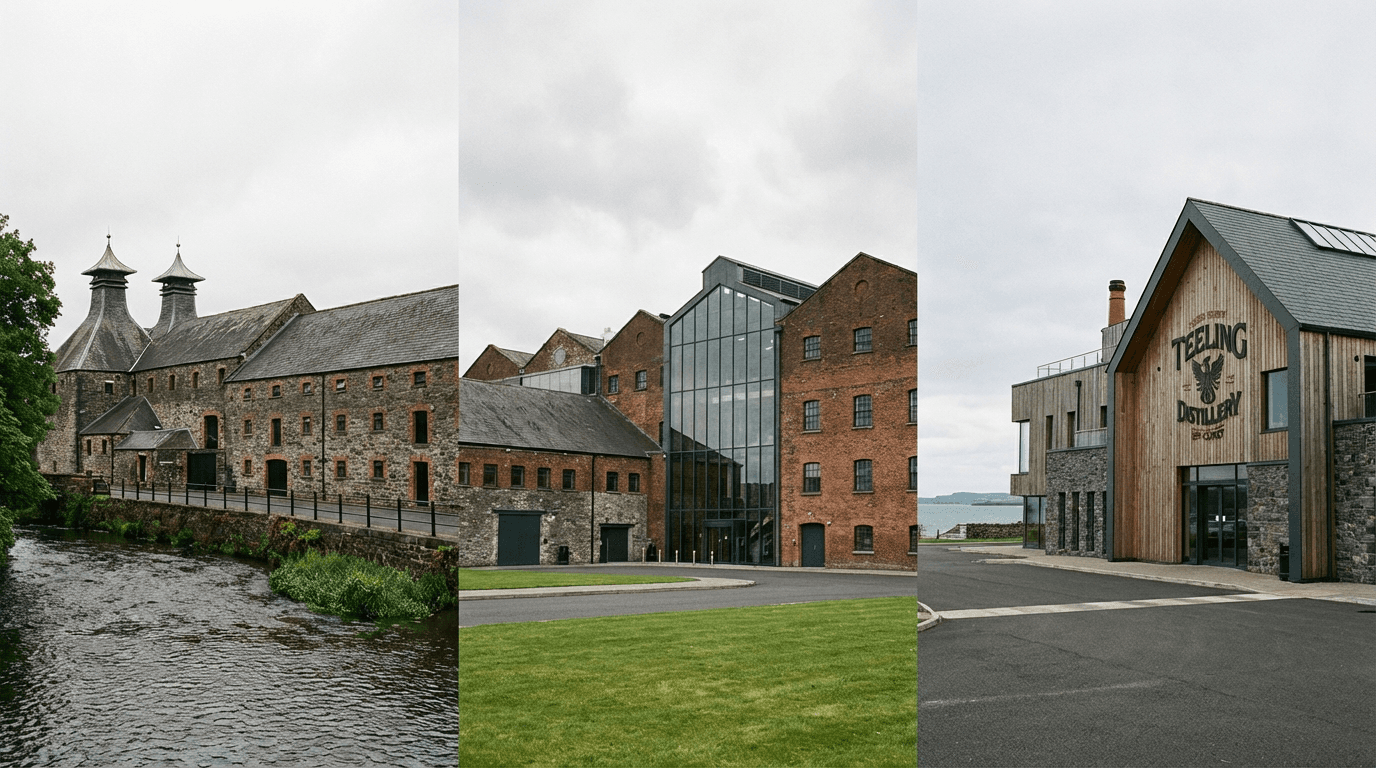
This historical depth separates Bushmills from its competitors. Jameson moved production to Cork in 1975. Dublin's new wave distilleries (Teeling, Roe & Co) started in the 2010s. Bushmills never left. The stills running today descend directly from the equipment used centuries ago. The methods — triple distillation in copper pot stills, aging in oak casks — haven't fundamentally changed.
The Tour: What to Expect
Bushmills offers three tour tiers, each progressively more intimate:
The Original Tour (£15) lasts 45 minutes and covers the essentials. You walk through the production areas — the mash house, the fermentation room, the still house — seeing whiskey made in real-time. Unlike Bow Street's polished visitor centre or even Midleton's observation windows, Bushmills lets you stand close enough to smell the fermenting mash, hear the stills bubble, and feel the heat radiating from the copper.
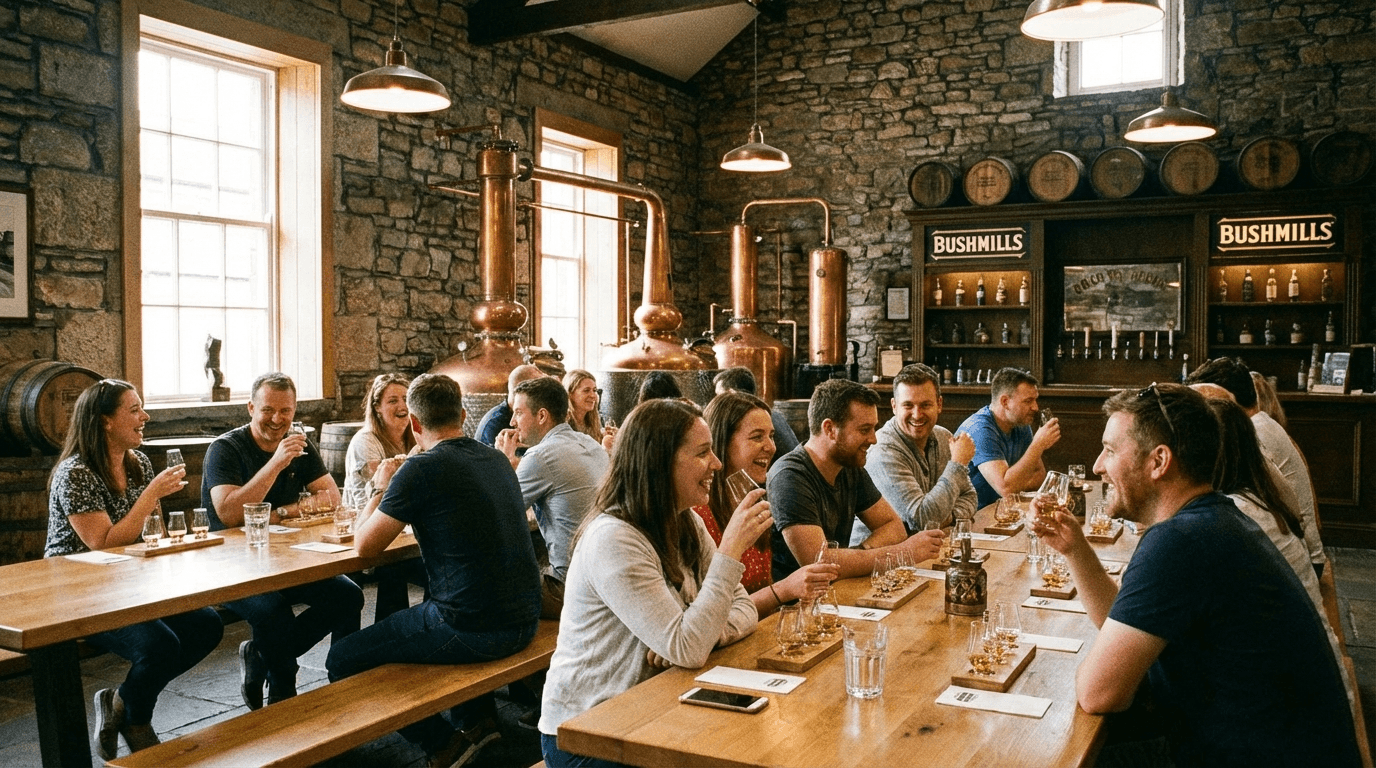
The tour ends with a tasting of Bushmills Original in a comfortable lounge overlooking the River Bush. It's a straightforward, unpretentious experience: here's how we make it, here's what it tastes like, here's why it matters.
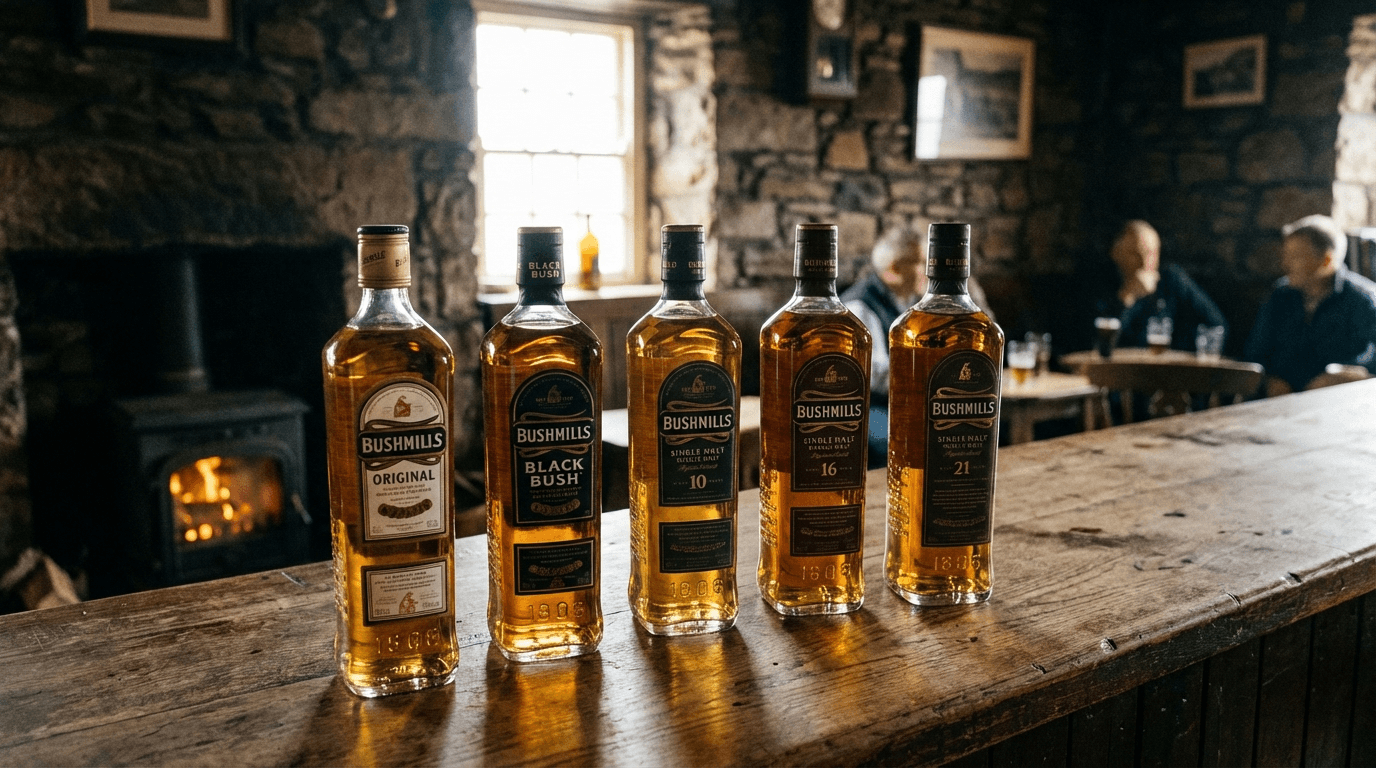
The Whiskey Tasting Experience (£35) extends to 90 minutes and includes five expressions: Bushmills Original, Black Bush, 10 Year Old, 16 Year Old, and 21 Year Old. Your guide walks you through the aging process — how bourbon casks contribute vanilla sweetness, how sherry casks add dried fruit complexity, how the passage of decades smooths the spirit into something extraordinary.
The Masterclass (£75) is the ultimate Bushmills experience. Limited to eight people, this two-hour session includes a private tasting of rare and vintage expressions, a behind-the-scenes look at the cask warehouse, and the chance to bottle your own 21 Year Old Bushmills from a selected cask. You label it, seal it, and take home a unique souvenir that cannot be purchased anywhere else.

None of these experiences feel manufactured. The guides aren't actors reciting scripts; they're locals who grew up with Bushmills as the town's economic and cultural heart. Ask about the whiskey, and you'll get technical detail. Ask about the history, and you'll get family stories.
The Whiskey: What Makes Bushmills Different
Bushmills defines the Northern Irish whiskey style: lighter, smoother, and more approachable than the robust spirits from Cork or Dublin. The difference starts with the water. The River Bush flows through basalt rock formations that naturally filter and soften it. This soft water extracts fewer harsh compounds from the grain during mashing, creating a cleaner, sweeter spirit.
The triple distillation — common to all Irish whiskey — happens here in specially designed pot stills that emphasize the lighter alcohols. The result is a spirit that needs less aging to become drinkable. Bushmills Original, aged just five years, is remarkably smooth. The 10 Year Old rivals whiskies twice its age from other regions.
Black Bush deserves special mention. This blend combines Bushmills' signature single malt with grain whiskey aged in sherry casks. The result is richer, fruitier, and more complex than the standard expression — and it's historically significant. During the early 20th century, Black Bush was the whiskey of choice for transatlantic liners, introducing American tourists to Irish whiskey before Prohibition shut down the market.
The aged expressions — 16 and 21 Year Old — showcase what time and wood can achieve. The 16 Year Old spends its final months in port pipes, adding wine-dark fruit and subtle sweetness. The 21 Year Old is finished in Madeira casks, creating a whiskey of remarkable depth and length. These aren't marketing exercises; they're genuine achievements that collectors worldwide seek out.
Getting There: The Causeway Coast Route
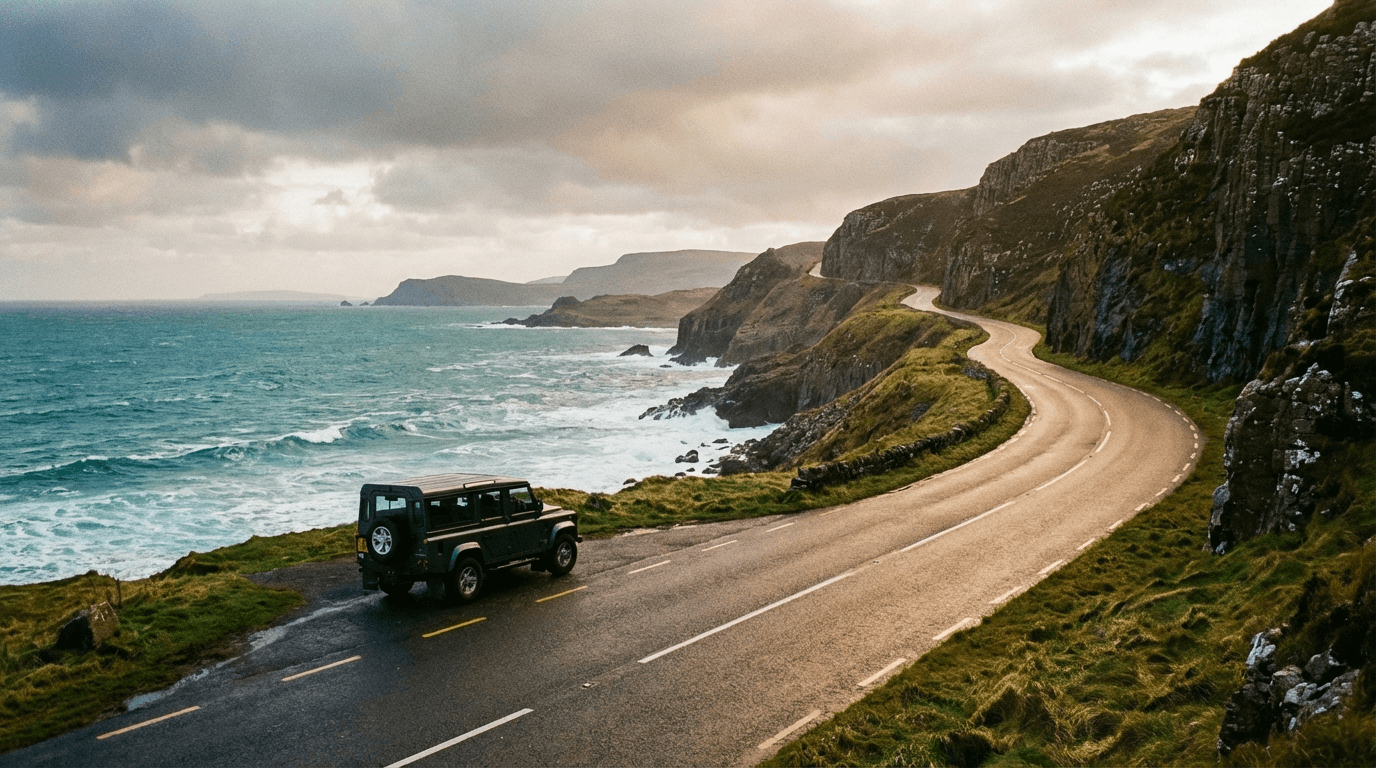
Bushmills sits 95km north of Belfast, in the heart of Northern Ireland's most spectacular coastal scenery. The distillery is 15 minutes from the Giant's Causeway, 10 minutes from the Carrick-a-Rede rope bridge, and surrounded by Game of Thrones filming locations. Most visitors combine Bushmills with these attractions, making it a highlight of the Causeway Coastal Route rather than a standalone destination.
From Belfast: The drive takes 90 minutes along the M2 and A26, then the scenic A2 coastal road. Public transport exists but is inconvenient — trains run to Coleraine, then buses connect to Bushmills village. The journey takes 2.5 hours each way.
From Dublin: You're looking at 3.5 hours via the M1 and A1 through Newry and Belfast. The border crossing is seamless (both countries in the Common Travel Area), but you'll need to remember that Northern Ireland uses pounds sterling, not euros.
The logistics challenge: Like all distillery tours, drinking and driving don't mix. Irish drink driving laws are virtually identical north and south — 50mg blood alcohol limit, roughly one small drink. A tasting flight at Bushmills puts you well over.
This is where a Private Driver transforms the experience. A driver familiar with the Causeway Coast can collect you from Belfast or Dublin, time the distillery tour for optimal lighting (the Giant's Causeway photographs best in morning or late afternoon), and craft an itinerary including:
- The Dark Hedges (the Kingsroad from Game of Thrones)
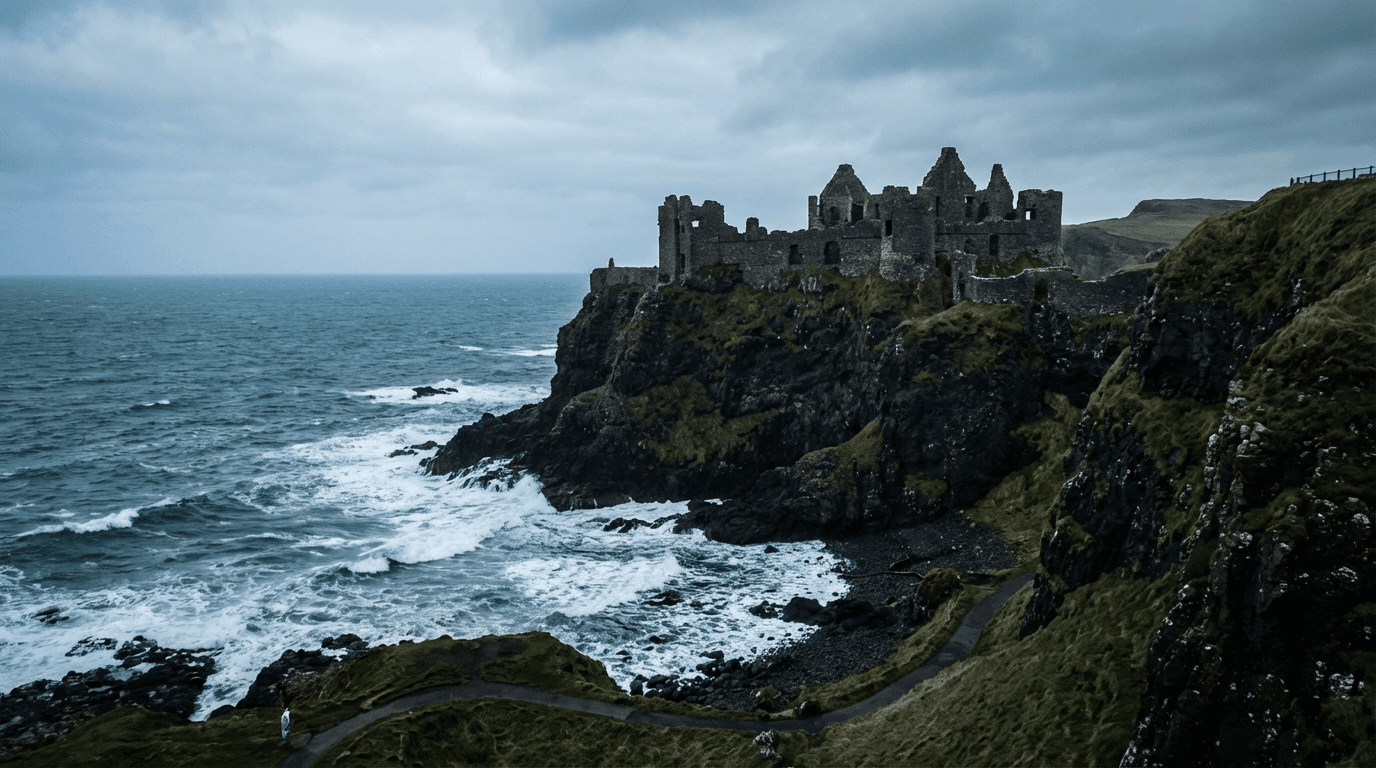
- Dunluce Castle (the ruins perched dramatically on coastal cliffs)
- The Giant's Causeway (UNESCO World Heritage Site, 40,000 interlocking basalt columns)
- Carrick-a-Rede rope bridge (if your nerves can handle it)
- Portrush or Portstewart (seaside towns for lunch)
Without a driver, you're either rushing to stay sober, or risking your license and safety. The Causeway Coast deserves a full day, and a Private Driver lets you enjoy every dram without anxiety.
Bushmills vs. The Irish Giants
How does Bushmills compare to Jameson and the Dublin distilleries?
Age and authenticity: Bushmills wins decisively. The 1608 license predates Jameson by nearly two centuries. The continuous operation, the original buildings, the family connections — no other Irish distillery can match this heritage.
Scale and polish: Jameson dominates. Midleton produces more whiskey in a day than Bushmills makes in a week. The visitor experiences at Jameson Bow Street and the Guinness Storehouse are slicker, more multimedia-heavy, and better suited to casual tourists.
The whiskey itself: This is subjective, but Bushmills occupies a distinct niche. It's smoother and lighter than Jameson, less aggressive than Scotch, and more complex than typical blends. The aged expressions — 16 and 21 Year Old — compete with single malts costing twice the price.
The experience: Bushmills feels less like a tourist attraction and more like a working distillery that happens to welcome visitors. The groups are smaller, the guides more knowledgeable, and the atmosphere more intimate. You won't find the Gravity Bar's spectacular views or Midleton's cask opening ceremonies, but you will feel connected to something ancient and genuine.
Value: Bushmills is significantly cheaper than its southern competitors. The standard tour costs £15 (approximately €18) compared to €25-32 at Jameson. The premium experiences offer comparable value to Midleton's offerings but at lower prices.
Beyond the Distillery: The Causeway Coast
Bushmills village itself is worth exploration. The distillery's success created a prosperous town with handsome Georgian architecture, independent shops, and excellent pubs. The Dunluce Inn serves locally caught seafood. The Bushmills Inn — a historic coaching house dating to 1608 — offers upscale dining and accommodation in rooms where Victorian travelers once slept.
The surrounding area packs extraordinary density of attractions. Within 30 minutes drive:
- The Giant's Causeway: Nature's geometry lesson, formed by ancient volcanic activity (or giants, depending on your belief system)
- Dunluce Castle: The ruins of a medieval fortress perched on cliffs, partially collapsed into the sea in the 17th century
- The Dark Hedges: An avenue of beech trees planted in the 18th century, now famous as a Game of Thrones location
- Carrick-a-Rede: A rope bridge suspended 30 meters above the Atlantic, connecting the mainland to a tiny island
- Ballintoy Harbour: Another Game of Thrones location, a working harbor with spectacular coastal walks
This concentration of world-class attractions makes Bushmills an ideal base for exploring Northern Ireland's north coast. Unlike Dublin or Cork, where distilleries compete with dozens of other tourist draws, Bushmills anchors a region where whiskey culture and natural beauty reinforce each other.
A Private Driver based in Belfast or Derry can craft a multi-day itinerary covering Bushmills, the Causeway Coast, and perhaps a detour to Derry's historic walls or Donegal just across the border. The region rewards slow travel and local knowledge — hidden beaches, seafood shacks, viewpoints that don't appear on tourist maps.
Final Verdict: Should You Visit Bushmills?
If you're a whiskey enthusiast or a history buff, Bushmills is essential. The 1608 license, the continuous operation, the sense of walking through living history — no other Irish distillery offers this depth. The whiskey is excellent, particularly the aged expressions, and the experience feels authentic rather than manufactured.
If you're a casual tourist seeking entertainment, the Dublin distilleries (Jameson Bow Street, Teeling, Roe & Co) offer more polished experiences with better city-centre locations. Guinness Storehouse provides more spectacle. Midleton shows you working production at scale.
But Bushmills offers something the others cannot: continuity. When you stand in the still house, you're standing where whiskey has been made for over four centuries. The same water, the same methods, the same patience. In an age of marketing stories manufactured in boardrooms, Bushmills is the real thing.
Just don't attempt the drive afterward. Northern Ireland's roads are narrow, winding, and patrolled by police who don't distinguish between "just one tasting" and drunk driving. The Drink Driving Laws in Ireland apply equally north and south of the border — and the consequences are severe.
The Water of Life: The Ultimate Guide to Irish Whiskey & Breweries — our master hub — covers everything from Dublin's new wave to Cork's working distilleries, including Jameson Midleton and Dublin's craft distilleries. But for history, authenticity, and whiskey craft perfected over four centuries, Bushmills stands alone.
Sláinte.
---
Table of Contents
Share this post
More from the Blog

Cork to Blarney Castle Day Trip: The Stone, the Gardens and What Else to See
Plan a Cork to Blarney Castle day trip. Kiss the stone, explore the Poison Garden, and add Cork city, Fota or Kinsale for a full day out.

Cork to Cobh Day Trip: Titanic, Colourful Houses and Harbour History
Plan a Cork to Cobh day trip by train, car or private driver. Explore Titanic history, St Colman's Cathedral, Spike Island and the best harbour views.

Cork to Killarney Day Trip: Lakes, Mountains and Muckross in One Day
A Cork to Killarney day trip is a longer escape into Kerry. Here's how to plan the drive, what to see in Killarney National Park, and why a private driver helps.