
Budget Tips for Solo Female Travel in Ireland
Ireland has a reputation for being expensive, but with smart planning and insider knowledge, solo female travelers can explore the Emerald Isle without breaking the bank. While it's true that costs in Dublin rival those of London or Paris, much of Ireland offers excellent value—especially when you venture beyond the capital and embrace local experiences. The key to budget travel in Ireland isn't about missing out; it's about spending wisely on what matters most to you while discovering free and affordable gems that many tourists overlook.
Whether you're dreaming of coastal walks along the Wild Atlantic Way, pints in cozy village pubs, or ancient ruins shrouded in mist, this guide will show you how to make your Irish adventure both memorable and affordable. From seasonal timing to accommodation hacks, from eating well on a budget to finding free activities, you'll learn how to stretch your euros while staying safe and comfortable as a solo female traveler.
For a complete overview of solo travel in Ireland, don't miss our Solo Female Travel Ireland: The Ultimate Guide — the master hub. And if safety is on your mind, read Is Ireland Safe for Solo Female Travelers? for peace of mind before you go.
Understanding Ireland's Travel Costs
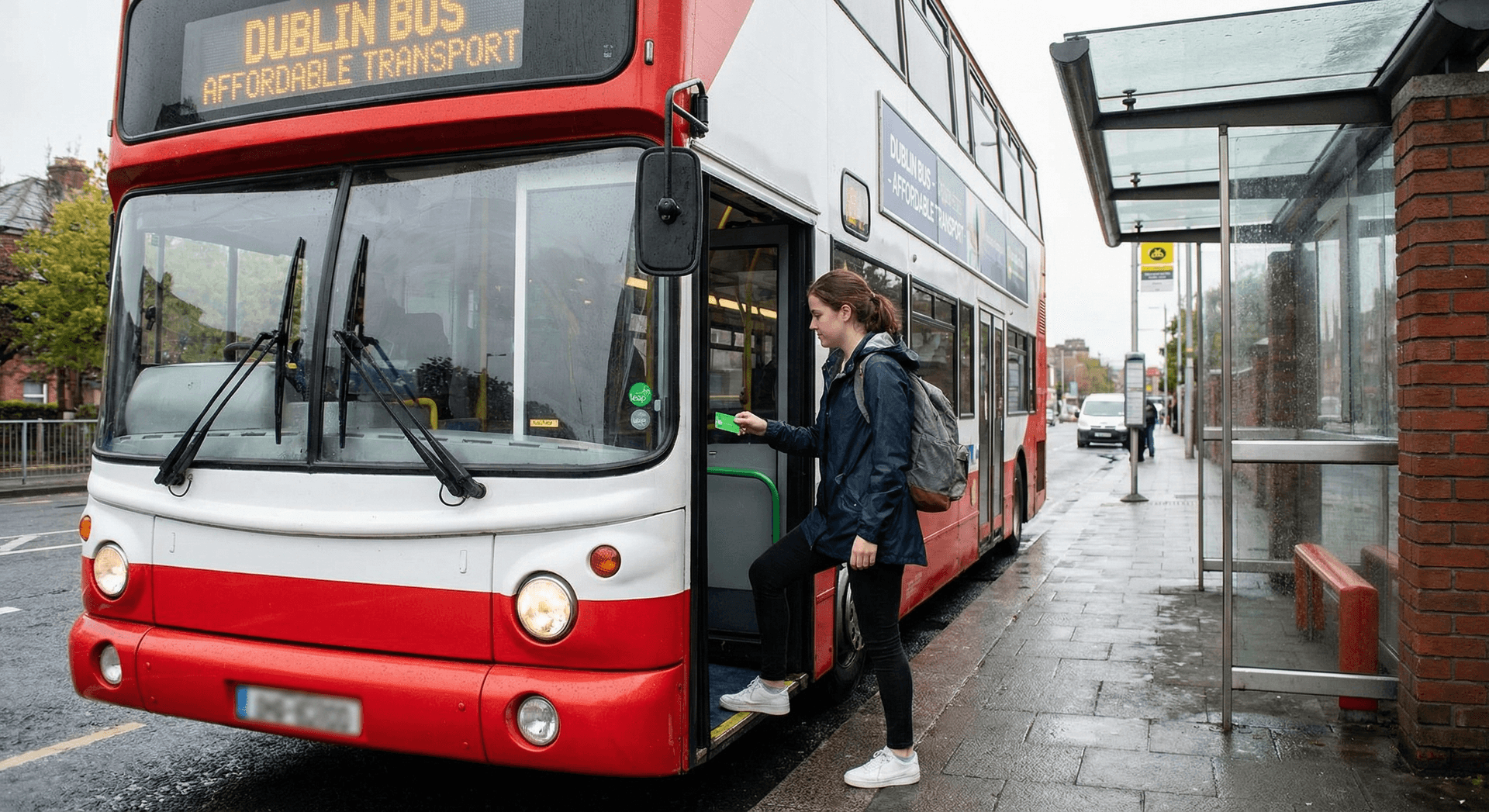
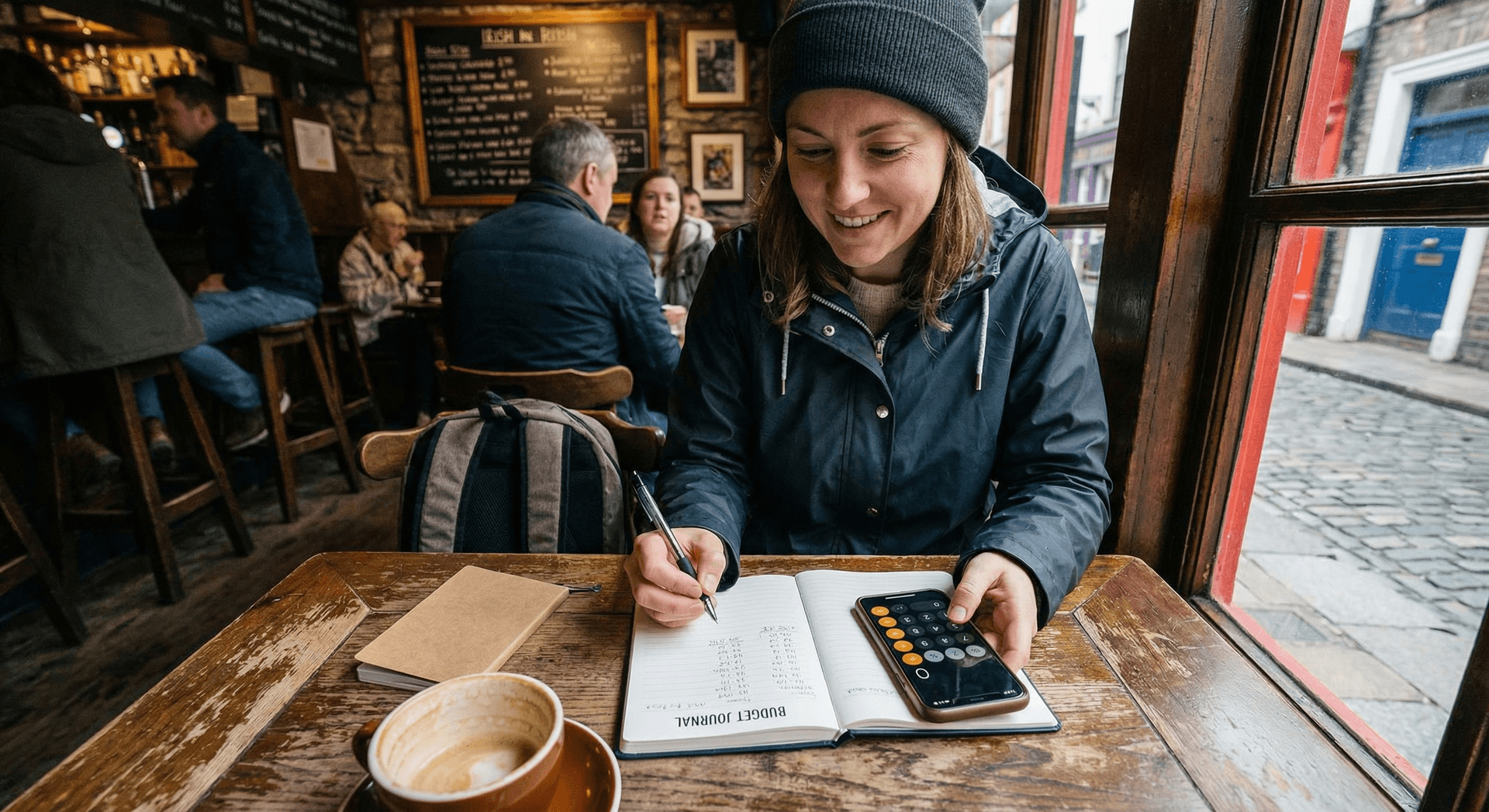
Ireland sits in the mid-to-high range of European travel costs. As a solo traveler, you'll face the "single supplement" challenge—accommodation costs aren't easily split, and some activities have fixed prices regardless of group size. However, Ireland also offers unique advantages for solo travelers: excellent hostels with female-only dorms, widespread free WiFi, and a culture that welcomes solo visitors in pubs and cafes.
Budget Reality Check
Here's what to expect for daily costs in Ireland (per person):
- Budget travelers: €60–€80 per day
- Mid-range travelers: €100–€150 per day
- Luxury travelers: €200+ per day
Dublin is significantly more expensive than the rest of the country—expect to pay 30–50% more for accommodation and dining in the capital. Galway, Cork, and smaller towns in County Kerry offer much better value while delivering authentic Irish experiences.
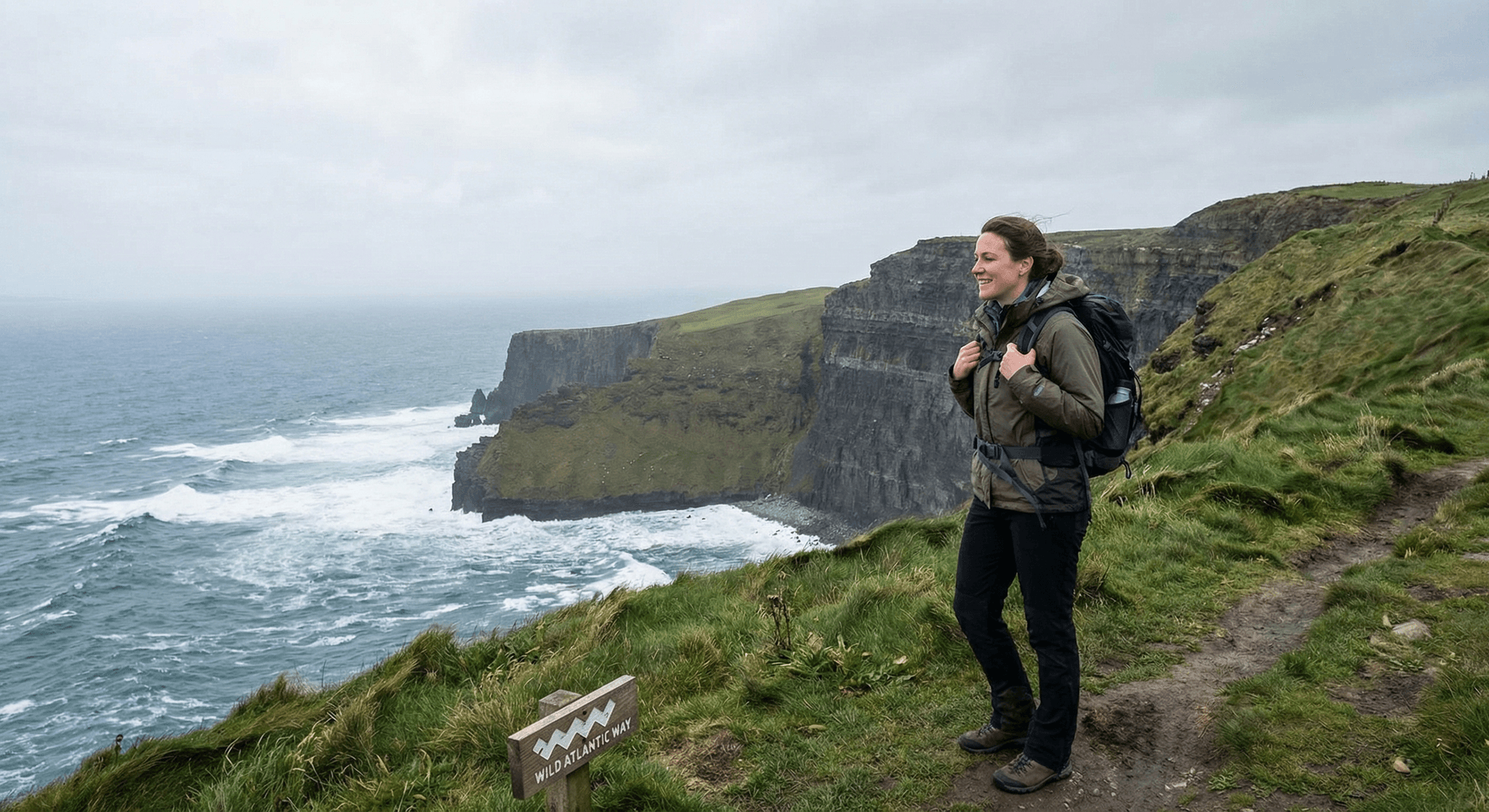
"I spent three weeks in Ireland on €75 a day by staying in hostels, cooking my own meals, and hiking every day. The Cliffs of Moher cost me nothing, and I made friends in every hostel kitchen." — Sarah, solo traveler from Canada
When to Visit for the Best Prices
Timing your visit can save you hundreds of euros. Ireland's peak season (June–August) sees prices surge, especially in popular destinations like Killarney and Dublin. Consider these alternatives:
Shoulder Season (April–May & September–October)
This is the sweet spot for budget-conscious solo travelers. Accommodation prices drop by 30–40%, crowds thin out, and the weather remains mild. September offers the bonus of harvest festivals and cultural events with lower price tags.
Off-Season (November–March)
Winter travel brings the lowest prices—hostels and hotels often slash rates by 50%. While daylight hours are shorter (sunset around 4:30 PM in December), you'll have iconic sites like the Ring of Kerry virtually to yourself. Pack layers and a good rain jacket, and embrace cozy pub evenings.
What to Avoid
- St. Patrick's Day week (March 17th): Prices in Dublin triple, and accommodation books out months in advance
- Summer bank holidays: Expect crowds and inflated prices
- Christmas/New Year: Limited budget accommodation options and premium pricing
For destination inspiration across all seasons, check out Best Places for Solo Female Travelers in Ireland.
Budget Accommodation Options
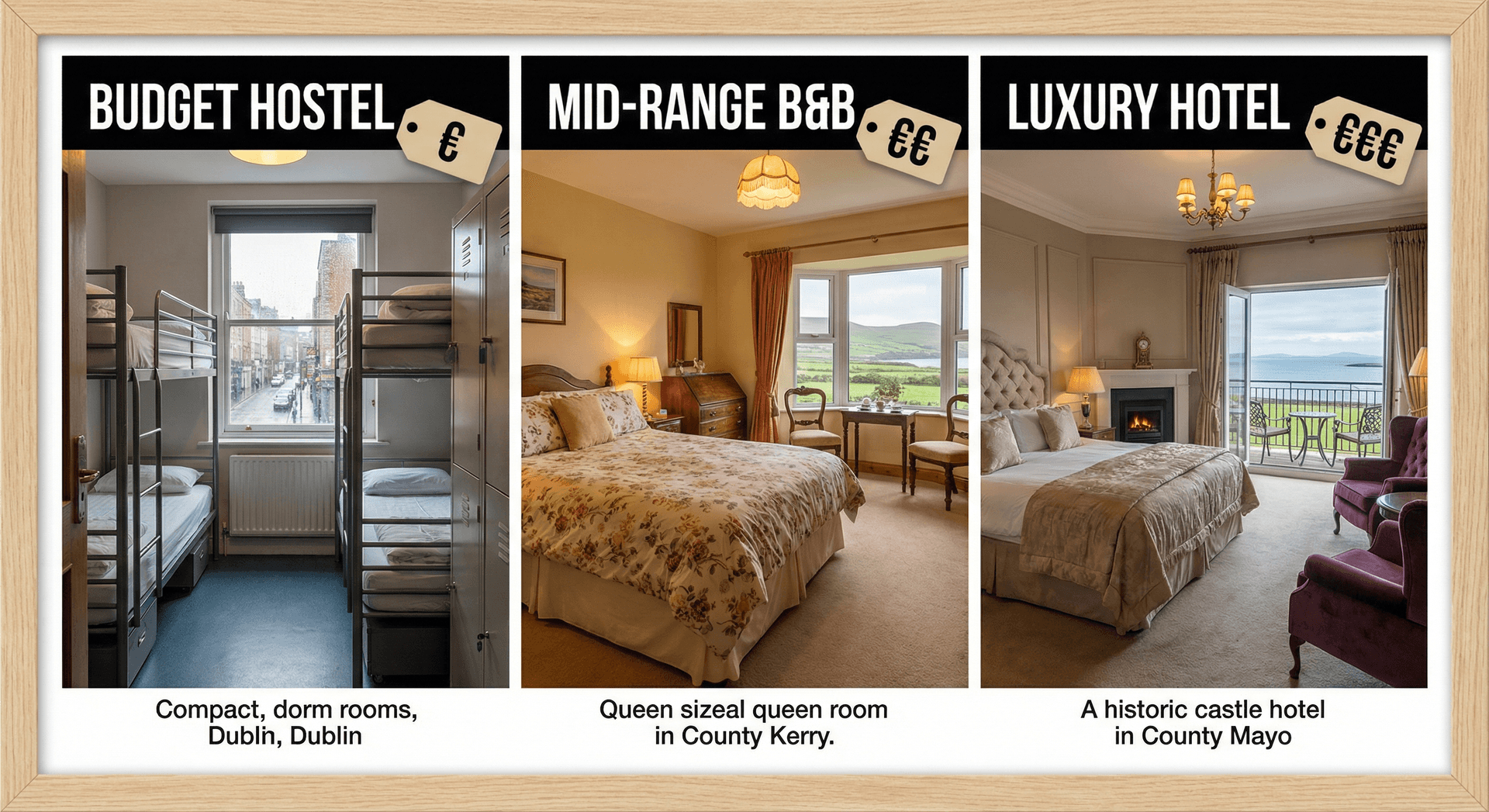
As a solo female traveler, accommodation will likely be your biggest expense. Ireland offers several budget-friendly options that prioritize safety and comfort:
Hostels (€20–€35 per night)
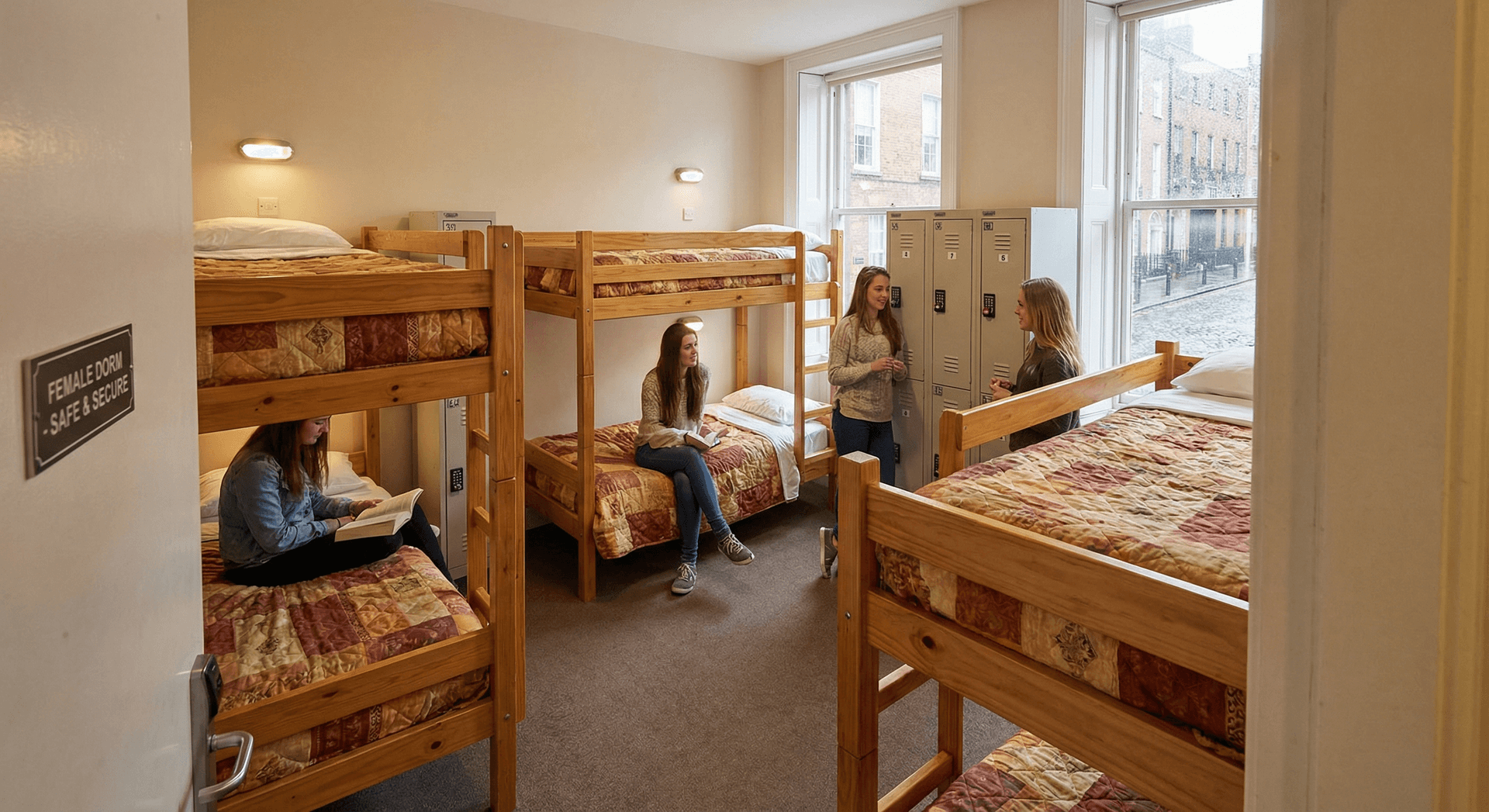
Irish hostels are generally excellent, with many offering female-only dorms—a huge plus for solo women. Look for hostels with:
- 24-hour reception
- Secure lockers in rooms
- Female-only bathroom facilities
- Common areas for meeting other travelers
Budget tip: Book directly with hostels when possible—many offer 10% discounts for direct bookings or longer stays.

B&Bs and Guesthouses (€50–€80 per night)
Outside major cities, family-run B&Bs offer incredible value including breakfast. Solo travelers often get single rooms at reduced rates, especially in shoulder season. Irish hospitality shines here—you'll get local recommendations and sometimes even a packed lunch!
Alternative Options
- University accommodation: Available June–September in Dublin, Galway, and Cork (€30–€50 per night)
- Couchsurfing: Active community in Irish cities; excellent for meeting locals
- Work exchanges: WWOOFing and HelpX opportunities on organic farms and family homes
For detailed accommodation guidance, read Where to Stay: Solo Female Traveler Accommodation Guide.
Eating on a Budget
Dining out in Ireland can quickly drain your budget, but eating well doesn't have to mean expensive restaurants. Here's how to keep food costs under €25–€30 per day:
Grocery Shopping
Supermarkets like Aldi, Lidl, and Tesco offer excellent value. Stock up on:
- Irish cheese and brown bread for picnics
- Fresh fruit from local markets
- Ready-made soups and salads for quick meals
- Breakfast items—most accommodation includes breakfast, saving you €10–€15 daily
Budget-Friendly Dining
- Early bird specials: Many restaurants offer pre-6 PM menus at 30–50% off
- Lunch deals: Pub lunches and cafe specials often cost half the dinner price
- Fish and chip shops: Authentic and filling for €8–€12
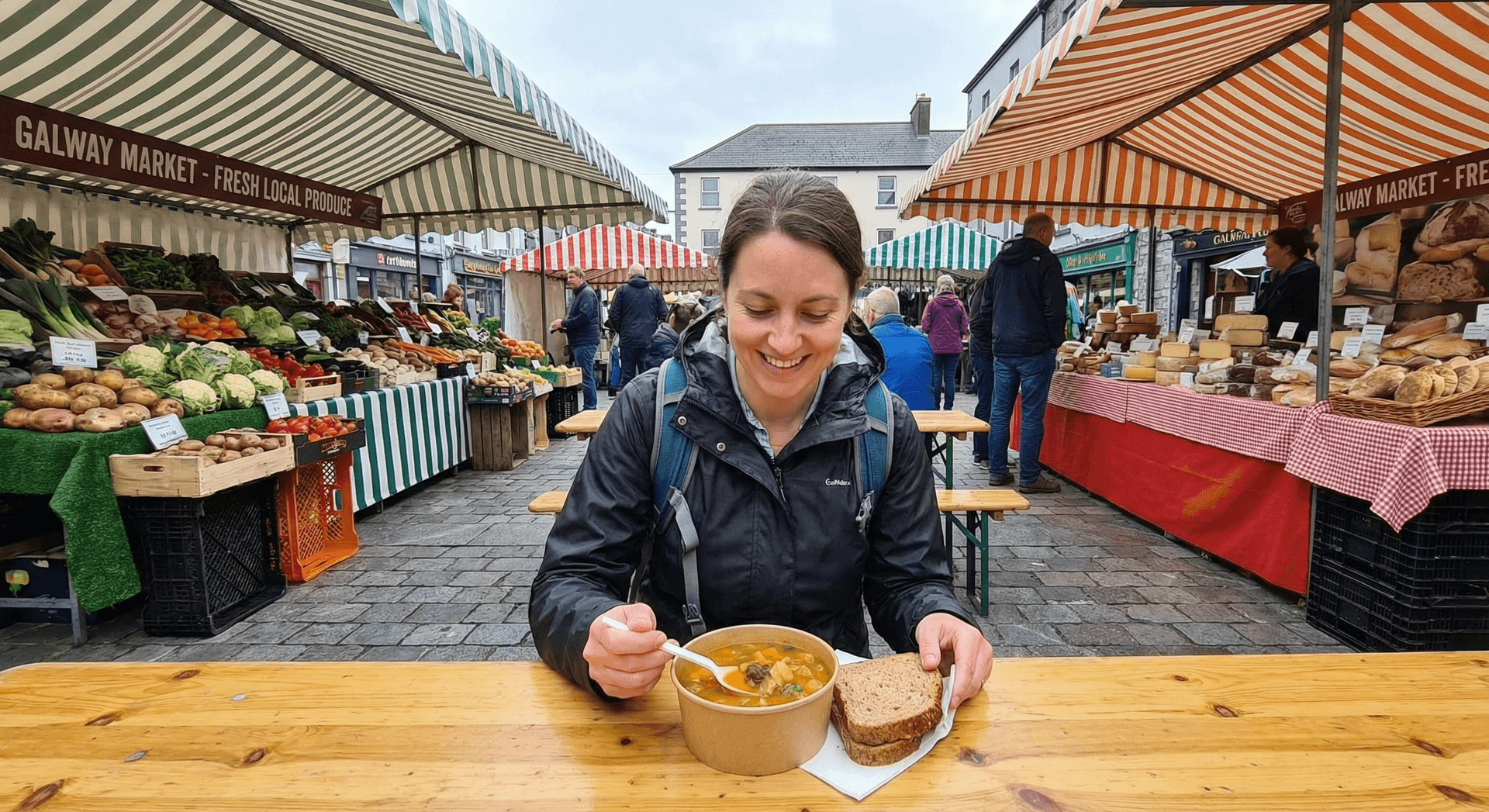
- Food markets: Galway Market and Cork's English Market offer fresh, affordable bites
The Pub Experience on a Budget
You can't visit Ireland without experiencing pub culture. Save money by:
- Visiting during happy hours (typically 5–7 PM)
- Ordering a pint of cider or stout instead of wine or cocktails
- Choosing pubs with free traditional music sessions—entertainment included!
- Eating hearty pub grub like Irish stew or fish and chips rather than fine dining
"My best meals in Ireland were €10 lunch specials at country pubs. One owner in County Clare even refused to let me pay for dessert because I was traveling alone and 'needed looking after.'" — Emma, solo traveler from Australia
Transport Cost-Saving Tips
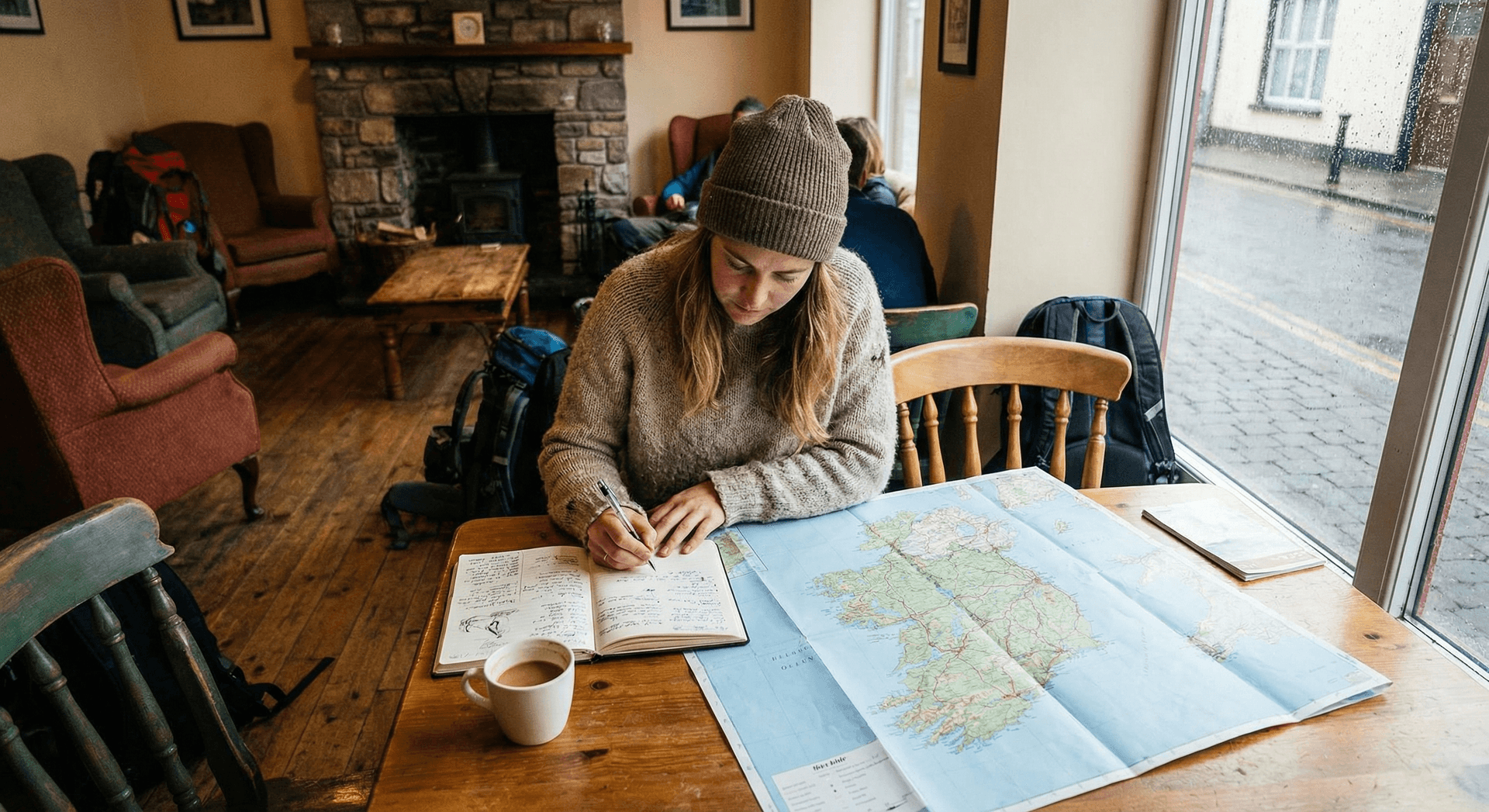
Getting around Ireland efficiently requires some strategy. While renting a car offers flexibility, it's expensive for solo travelers. Here are budget-friendly alternatives:
Bus Travel
Bus Éireann connects most towns and villages, with student and youth discounts available. Book online in advance for the best fares:
- Dublin to Galway: €10–€15 (booked early)
- Dublin to Cork: €12–€18
- City buses: €2–€3 per journey
Budget Airlines and Trains
- Irish Rail: Comfortable but pricey; book 7+ days ahead for discounts
- Budget airlines: Ryanair and Aer Lingus offer €20–€50 flights between Irish cities and UK/European destinations
Walking and Cycling
Ireland's compact size makes walking tours ideal. Many cities offer free walking tours (tip-based). For longer distances:
- Rent a bike in rural areas (€15–€25/day)
- Try the Great Western Greenway cycling trail—free once you have a bike
- Join organized walking groups through Meetup or hostel noticeboards
For comprehensive transport advice, see Getting Around Ireland as a Solo Female Traveler.
Free and Low-Cost Activities
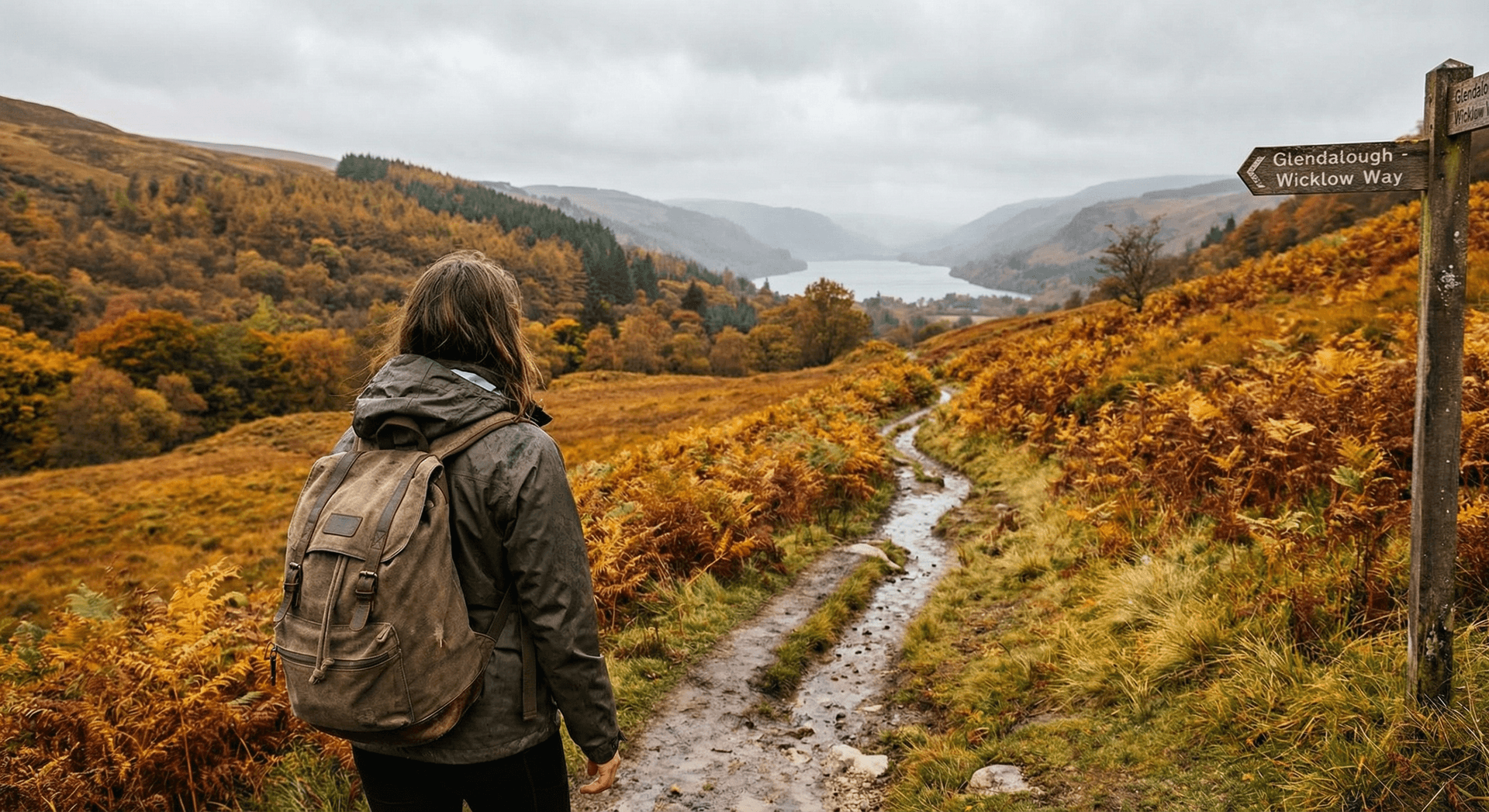
Some of Ireland's most memorable experiences cost nothing at all. As a solo female traveler, you can fill your days with incredible free activities:
Free Attractions
- National Museums: All National Museums of Ireland offer free admission (Archaeology in Dublin is exceptional)
- Parks and gardens: Phoenix Park (Dublin), St. Stephen's Green, and countless public gardens
- Churches and cathedrals: While some charge entry, many remain free (St. Mary's Pro-Cathedral in Dublin, Galway Cathedral)
- Beaches and coastal walks: Inchydoney, Dingle Peninsula beaches, and the entire Wild Atlantic Way
Low-Cost Highlights (Under €15)
- Kilmainham Gaol (Dublin): €8 for a fascinating historical tour
- Book of Kells at Trinity College: €16 (worth the splurge—book online)
- Farmers markets: Free entertainment and tastings, affordable local food
- Traditional music sessions: Free in pubs across the country—just buy a drink
Walking and Hiking
Ireland's trail network is world-class and free:
- Wicklow Way: Stunning day hikes accessible from Dublin
- Cliffs of Moher coastal path: Walk beyond the visitor center for free dramatic views
- Killarney National Park: Multiple free hiking trails of varying difficulty
- Giant's Causeway: Free if you avoid the visitor center parking
For more activity ideas, explore our Dublin, Galway, Kerry, and Cork county guides.
Money-Saving Strategies for Solo Women
Beyond the obvious tips, here are strategies specifically helpful for solo female travelers:
Safety Meets Savings
- Share rides: Use hostel noticeboards to find ride-shares with other travelers
- Join group activities: Walking tours and day trips often offer solo traveler discounts
- Travel insurance: Essential for solo travelers—compare policies and don't skip this
Smart Spending
- Get a Revolut or Wise card: Avoid foreign transaction fees and get better exchange rates
- Free WiFi: Available almost everywhere—download offline maps and use WhatsApp instead of roaming
- Student/Youth discounts: ISIC card saves money on transport and attractions
- City tourist cards: Dublin Pass and Cork City Pass offer value if you plan to visit multiple paid attractions
Accommodation Hacks
- Female-only dorms: Often slightly cheaper and definitely safer
- Long-stay discounts: Stay 3+ nights for 10–15% off
- Sunday nights: Often the cheapest accommodation night of the week
Social Strategies
- Hostel cooking: Cook dinner with other travelers—share costs and make friends
- Pub gatherings: Join hostel-organized pub crawls for group discounts
- Free walking tours: Meet people while learning about the city
Sample Daily Budgets
Here's how your daily budget might break down across three travel styles:
Budget Traveler (€65–€80/day)
Category Cost Accommodation (hostel dorm) €25–€30 Food (groceries + one meal out) €20–€25 Transport (local buses) €10–€15 Activities (mostly free) €5–€10 Miscellaneous €5
Typical day: Cook breakfast at hostel, free walking tour, picnic lunch, National Museum visit, supermarket dinner ingredients, evening in pub with one drink.
Mid-Range Traveler (€120–€150/day)
Category Cost Accommodation (B&B or private hostel room) €60–€80 Food (B&B breakfast + lunch out + dinner) €35–€45 Transport (mix of bus and occasional taxi) €15–€20 Activities (1–2 paid attractions) €15–€25 Miscellaneous €10
Typical day: B&B breakfast, bus to nearby town, cafe lunch, Book of Kells or similar attraction, nice dinner out, evening stroll.
Luxury Traveler (€200+/day)
Category Cost Accommodation (boutique hotel) €120–€180 Food (all meals out, fine dining) €60–€80 Transport (rental car or private transfers) €40–€60 Activities (private tours, experiences) €50–€100 Miscellaneous €20+
Maximizing Your Budget on Tour
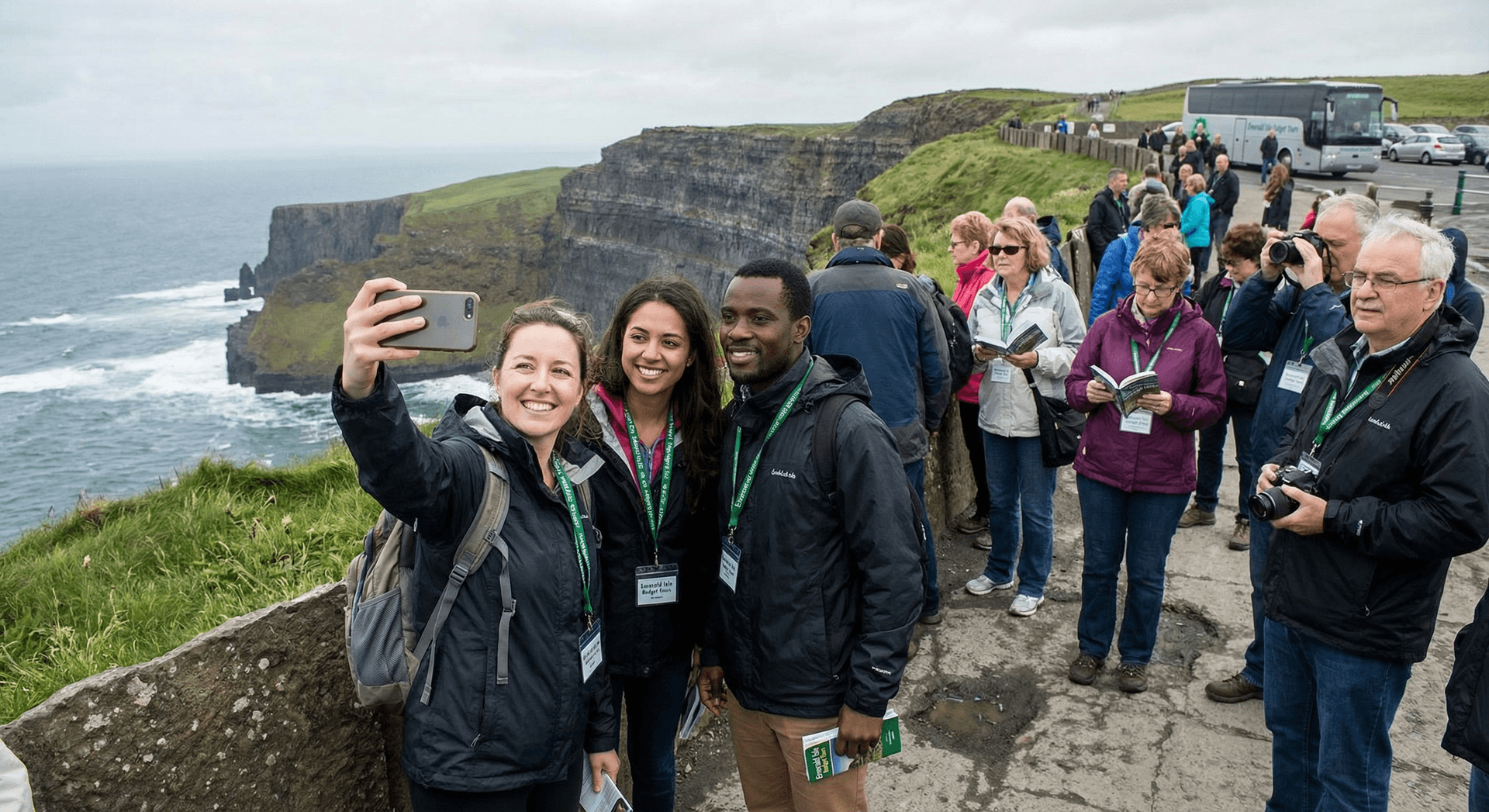
Sometimes joining organized activities actually saves money while enhancing safety for solo female travelers. Solo Female-Friendly Tours in Ireland can offer excellent value:
- Day tours: €40–€60 often includes transport, guide, and multiple stops—cheaper than doing it independently
- Multi-day tours: Accommodation, transport, and some meals included; group discounts apply
- Specialized experiences: Food tours, history walks, and adventure activities with all logistics handled
Many solo female travelers find that joining a day tour for remote destinations (like the Cliffs of Moher from Dublin or the Ring of Kerry) costs less than independent travel while providing built-in companionship and safety.
Final Thoughts: Ireland on a Budget
Traveling Ireland solo on a budget isn't just possible—it's incredibly rewarding. By timing your visit strategically, choosing accommodation wisely, embracing free activities, and eating like a local, you can experience the magic of Ireland without financial stress.
The solo female travel community in Ireland is welcoming and active. You'll find fellow budget travelers in every hostel, sharing tips and sometimes expenses. Irish locals are famously friendly and often go out of their way to help solo women travelers—offering directions, recommendations, and occasionally, a free cup of tea.
Remember that the best Irish experiences often cost nothing at all: a sunset over the Atlantic, a conversation with locals in a village pub, or a morning walk through misty hills. Focus your spending on what matters most to you, embrace the free abundance Ireland offers, and you'll return home with memories worth far more than your travel budget.
Ready to plan your trip? Start with Solo Female Travel Ireland: The Ultimate Guide — the master hub, and explore our county guides for Dublin, Galway, Kerry, Cork, and beyond. The Emerald Isle awaits—and she's more affordable than you might think.
Table of Contents
Share this post
More from the Blog

Cork to Blarney Castle Day Trip: The Stone, the Gardens and What Else to See
Plan a Cork to Blarney Castle day trip. Kiss the stone, explore the Poison Garden, and add Cork city, Fota or Kinsale for a full day out.

Cork to Cobh Day Trip: Titanic, Colourful Houses and Harbour History
Plan a Cork to Cobh day trip by train, car or private driver. Explore Titanic history, St Colman's Cathedral, Spike Island and the best harbour views.

Cork to Killarney Day Trip: Lakes, Mountains and Muckross in One Day
A Cork to Killarney day trip is a longer escape into Kerry. Here's how to plan the drive, what to see in Killarney National Park, and why a private driver helps.