
Irish Gin Schools: Make Your Own Bottle at Listoke & Drumshanbo
Not everyone likes whiskey. Some visitors find Irish whiskey too smooth, too subtle, or simply not to their taste. For them, Ireland offers an alternative spirit experience that's equally authentic and arguably more hands-on: gin school, where you distill your own bottle under expert guidance.
Irish gin has exploded in popularity over the past decade. What began as a handful of craft producers has become a crowded marketplace with dozens of brands competing for shelf space. The quality is consistently high — Ireland's soft water and access to unique botanicals create distinctive spirits that win international awards. But tasting is only half the experience. At gin school, you become the distiller.
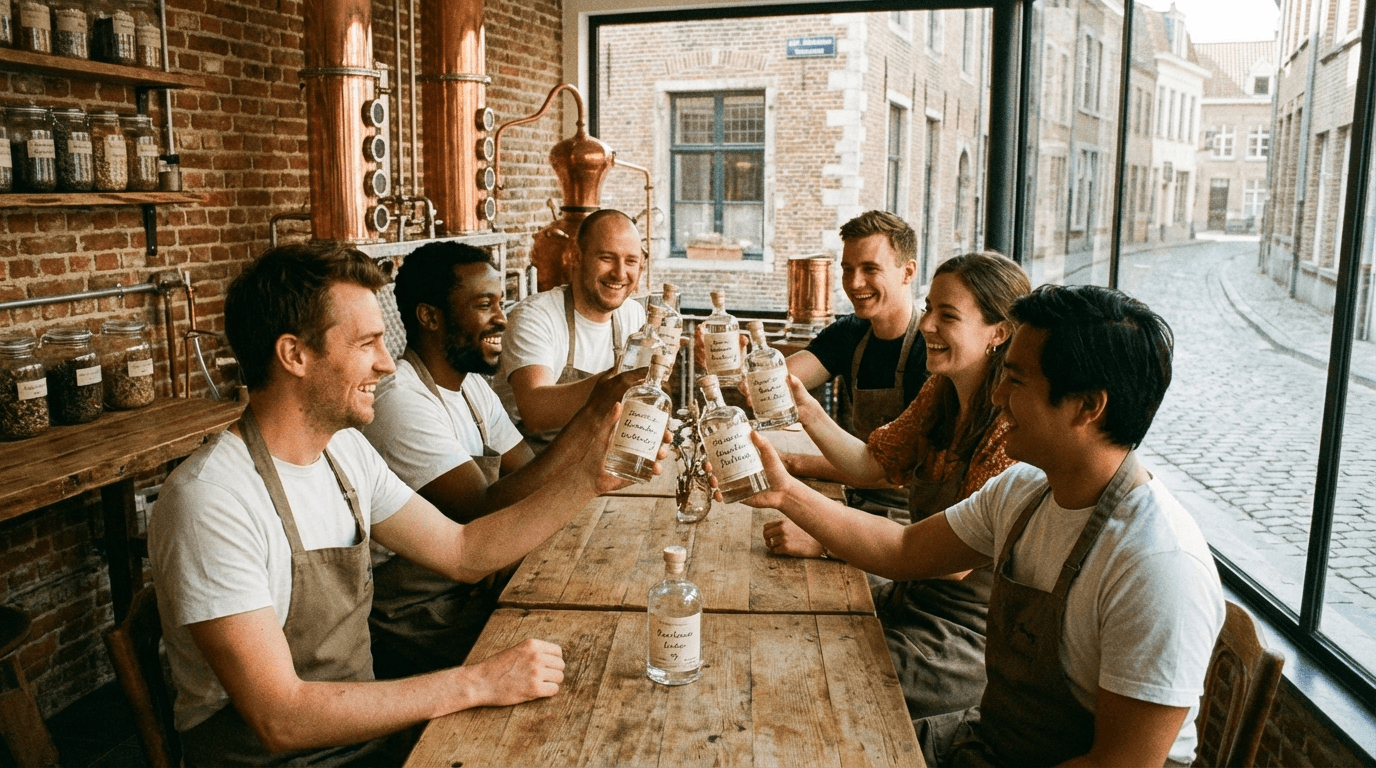
Two venues dominate the Irish gin school scene: Listoke in County Louth and The Shed Distillery in Drumshanbo, County Leitrim. Both offer half-day experiences where you learn gin history, select your own botanicals, operate miniature copper stills, and bottle your personal gin to take home. The process demystifies distillation while creating a genuinely unique souvenir — a bottle of gin that exists nowhere else in the world.
This guide covers both experiences, explains what to expect, and helps you choose between them. Because while whiskey may be Ireland's most famous spirit, gin school offers something whiskey tours cannot: the chance to create rather than simply consume.
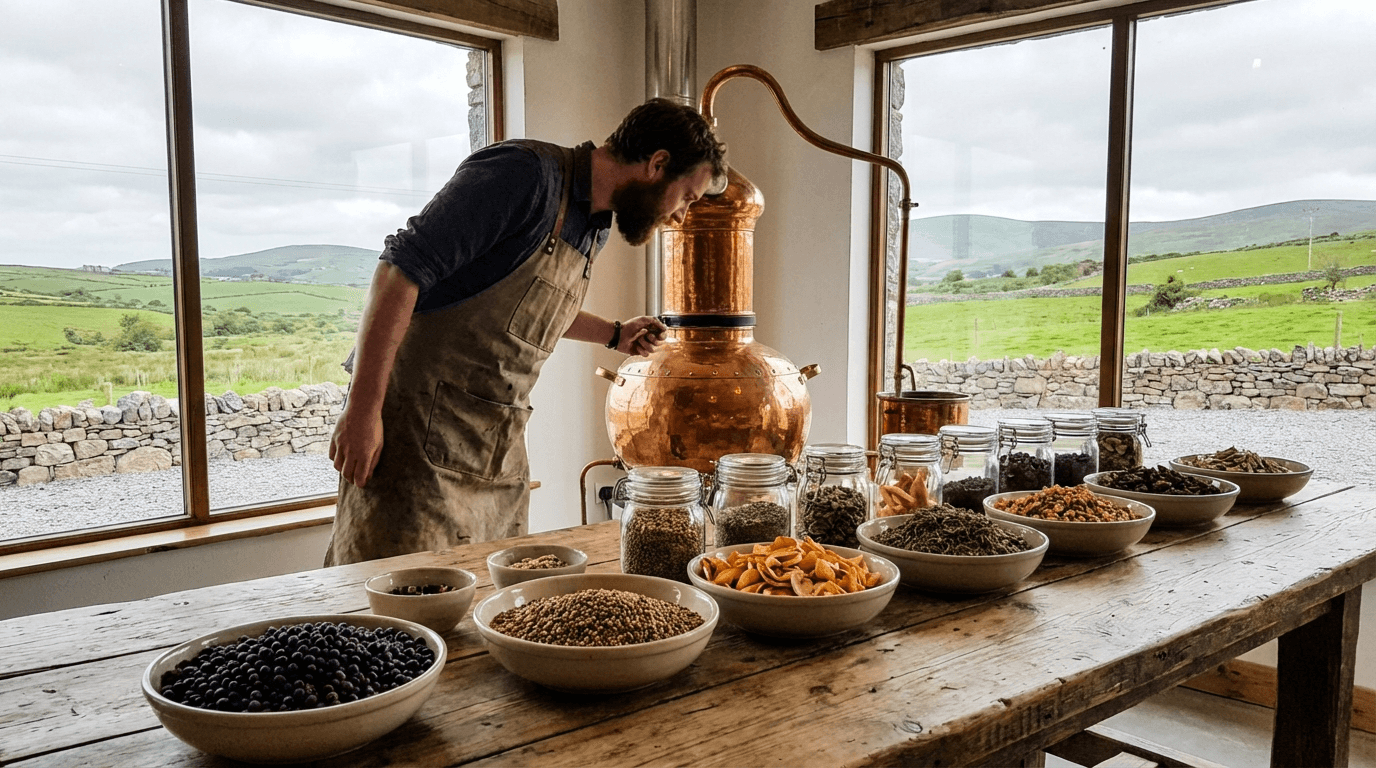
Listoke Gin School: The Pioneer
Listoke Distillery, located in the village of Tenure near Drogheda, was Ireland's first dedicated gin school when it opened in 2017. The 17th-century estate — complete with walled garden, woodland walks, and Georgian house — provides a setting that feels appropriately historic for learning a traditional craft.
The experience (€95 per person) runs approximately three hours and follows a clear structure. You begin with a G&T and brief history lesson — gin's origins as Dutch genever, its popularity in colonial Britain, the juniper berry's medicinal properties, and Ireland's recent gin renaissance. Your instructor explains how gin differs from whiskey: it's unaged, allowing immediate production; the base spirit is neutral grain alcohol rather than fermented grain; and the flavor comes entirely from botanicals added during distillation.
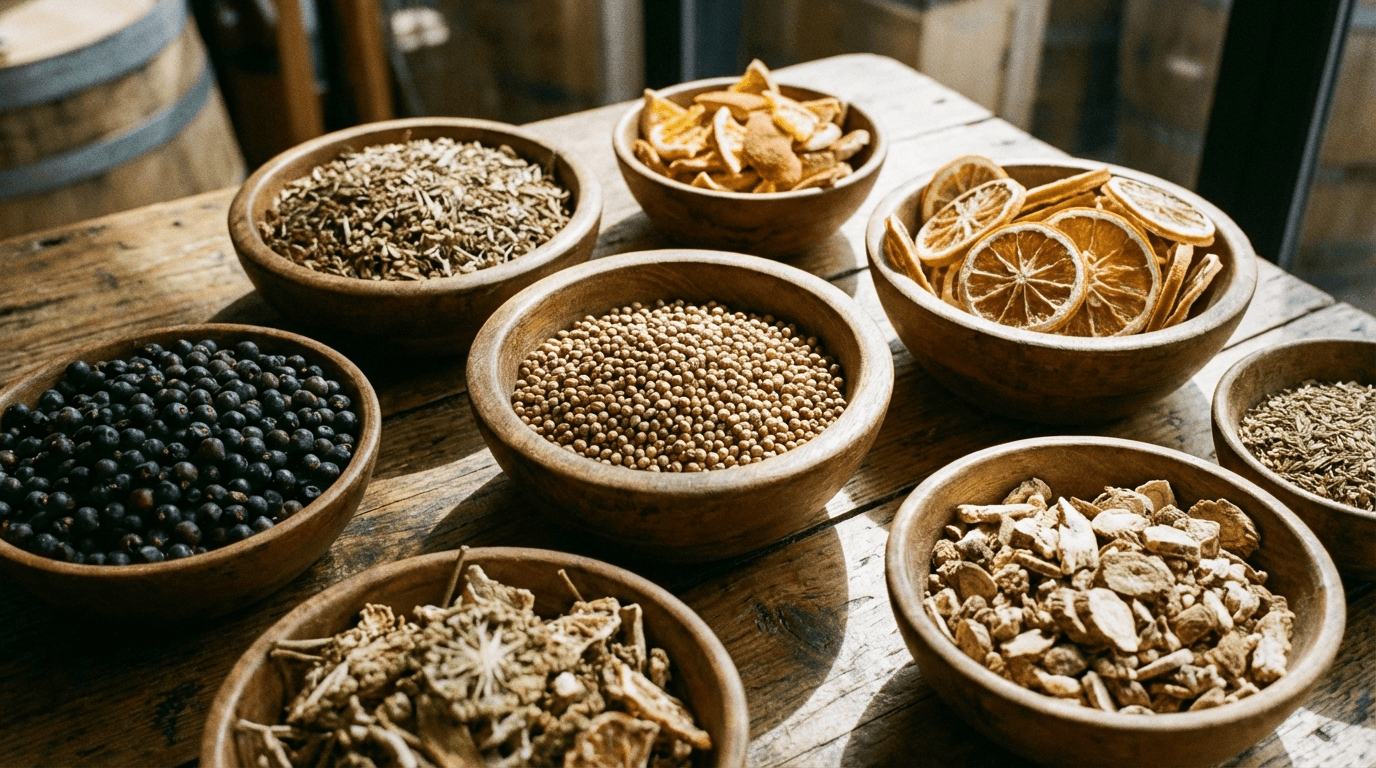
Then comes the creative part. Listoke provides over forty botanicals — juniper (legally required for anything calling itself gin), coriander, angelica root, citrus peels, and more exotic options like rose petals, lavender, chamomile, and locally foraged plants from the estate grounds. You smell, taste, and select your personal blend, guided by staff who understand which combinations work and which create disasters.
The distillation happens in small copper pot stills — beautiful copper vessels holding roughly two litres of spirit. You operate the still yourself: adjusting heat, monitoring the cut points (the "heads" with harsh alcohols you discard, the "heart" you keep, the "tails" with heavy oils you judge case by case), collecting your gin as it drips from the condenser. The process takes about an hour, during which you smell your personal recipe taking shape.
Finally, you bottle and label your creation — 500ml of gin at roughly 40% ABV, custom-blended to your taste. Listoke provides printed labels where you name your gin and record the botanicals used. The bottle becomes your souvenir, your proof that you understand gin from the inside out.
The setting elevates the experience. The distillery occupies converted estate buildings with exposed stone walls and wooden beams. The walled garden supplies fresh botanicals. A restaurant serves lunch using estate produce.
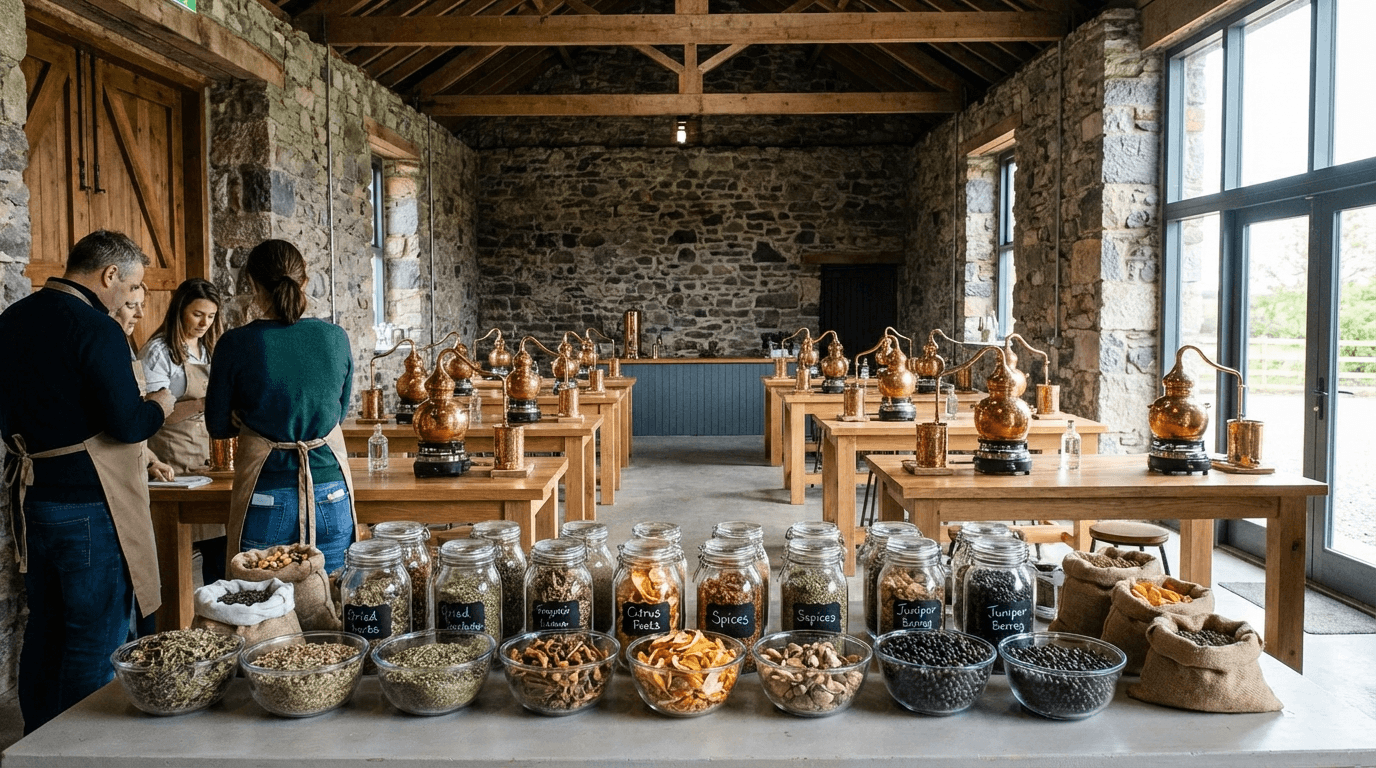
Drumshanbo Gunpowder Gin School: The Heavyweight
If Listoke is the boutique gin school, The Shed Distillery in Drumshanbo is the industrial heavyweight. This is home to Gunpowder Irish Gin — one of Ireland's most successful craft spirits, distributed internationally and appearing in premium bars from London to Tokyo. The distillery itself is spectacular: a cathedral of copper and steel rising from the Leitrim countryside, visible for miles across the flat landscape.
Founder PJ Rigney built the distillery from scratch after selling his previous business. His vision was ambitious: not just a gin school, but a complete drinks campus. The scale is impressive — serious production, not hobbyist craft.
The gin school experience (€110 per person) shares Listoke's basic structure: history lesson, botanical selection, hands-on distillation, bottling. But everything feels more substantial. The stills are larger, the botanical selection more extensive, the setting more dramatic.
The Gunpowder Gin recipe — oriental botanicals including gunpowder tea, star anise, and coriander — provides inspiration but not restriction. Many participants use Drumshanbo's extensive citrus selection to create bright, aromatic gins.
The distillery tour (included in gin school admission) shows you large-scale production. While you're working with two-litre stills, The Shed's main production uses 500-litre vessels. Watching professional distillers at work provides context for your own efforts — you understand what you're attempting to replicate at micro-scale.

The location is more remote than Listoke — Drumshanbo sits in rural Leitrim, 40 minutes from Sligo and over two hours from Dublin. This isolation is part of the appeal. You're deep in Ireland's least-populated county, surrounded by lakes and bogland, learning a craft in a purpose-built facility that feels miles from anywhere.
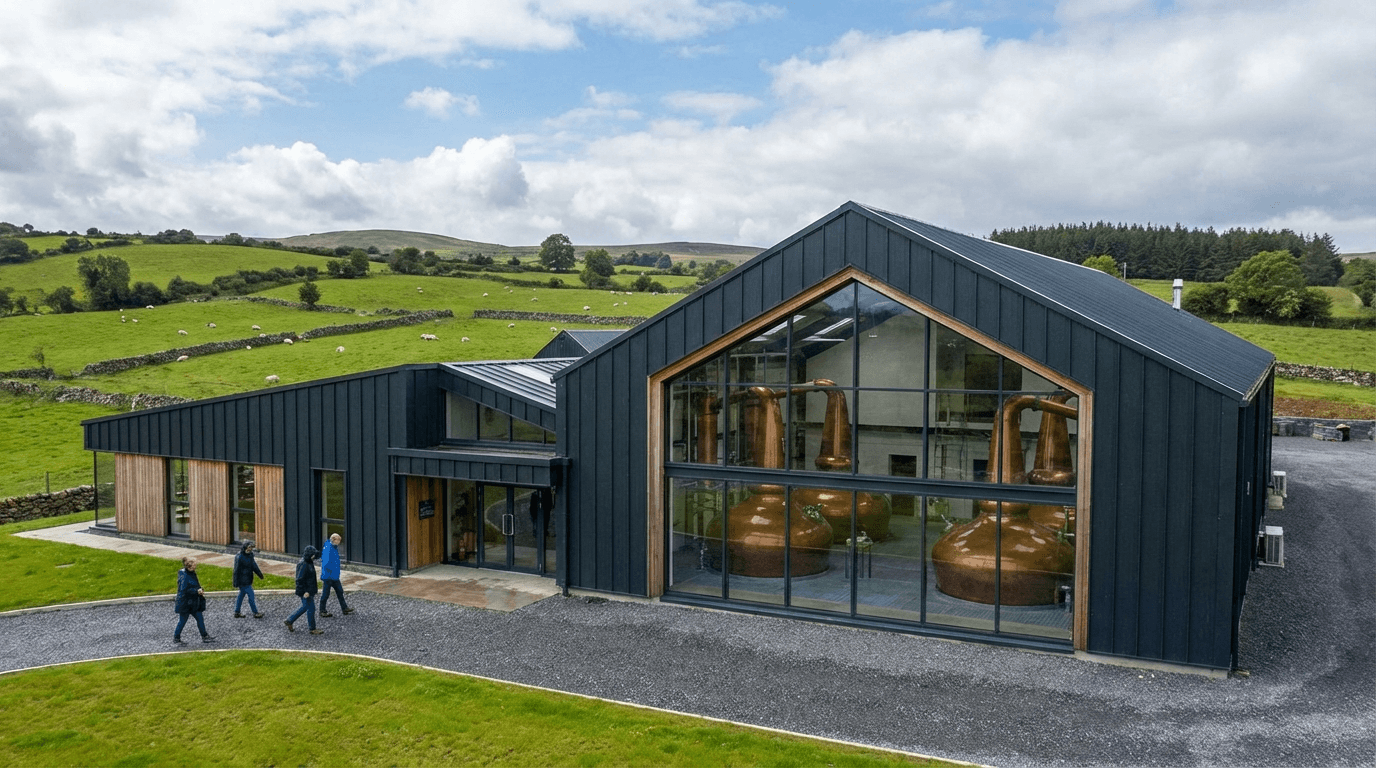
Listoke vs. Drumshanbo: Which to Choose?
Both experiences offer genuine value, but they serve different preferences:
Choose Listoke if:
- You want the more intimate, historic setting
- You're driving Dublin-Belfast (it's just off the M1, 45 minutes north of Dublin)
- You prefer a slightly lower price point (€95 vs €110)
- You value the estate setting with gardens and restaurant
- You're new to gin and want gentle, supportive instruction
Choose Drumshanbo if:
- You want to see large-scale production alongside your personal distillation
- You're visiting the northwest (Sligo, Leitrim, Donegal)
- You want the most extensive botanical selection
- You're inspired by the Gunpowder Gin success story
- You prefer industrial-chic to country house charm
The practical difference: Listoke is significantly easier to reach from Dublin — 45 minutes up the motorway versus Drumshanbo's 2.5-hour trek. If you're based in Dublin with limited time, Listoke makes more sense. If you're touring the northwest anyway, Drumshanbo is unmissable.
Both experiences work well for groups. Both provide certificates proving your new status as "gin distiller."
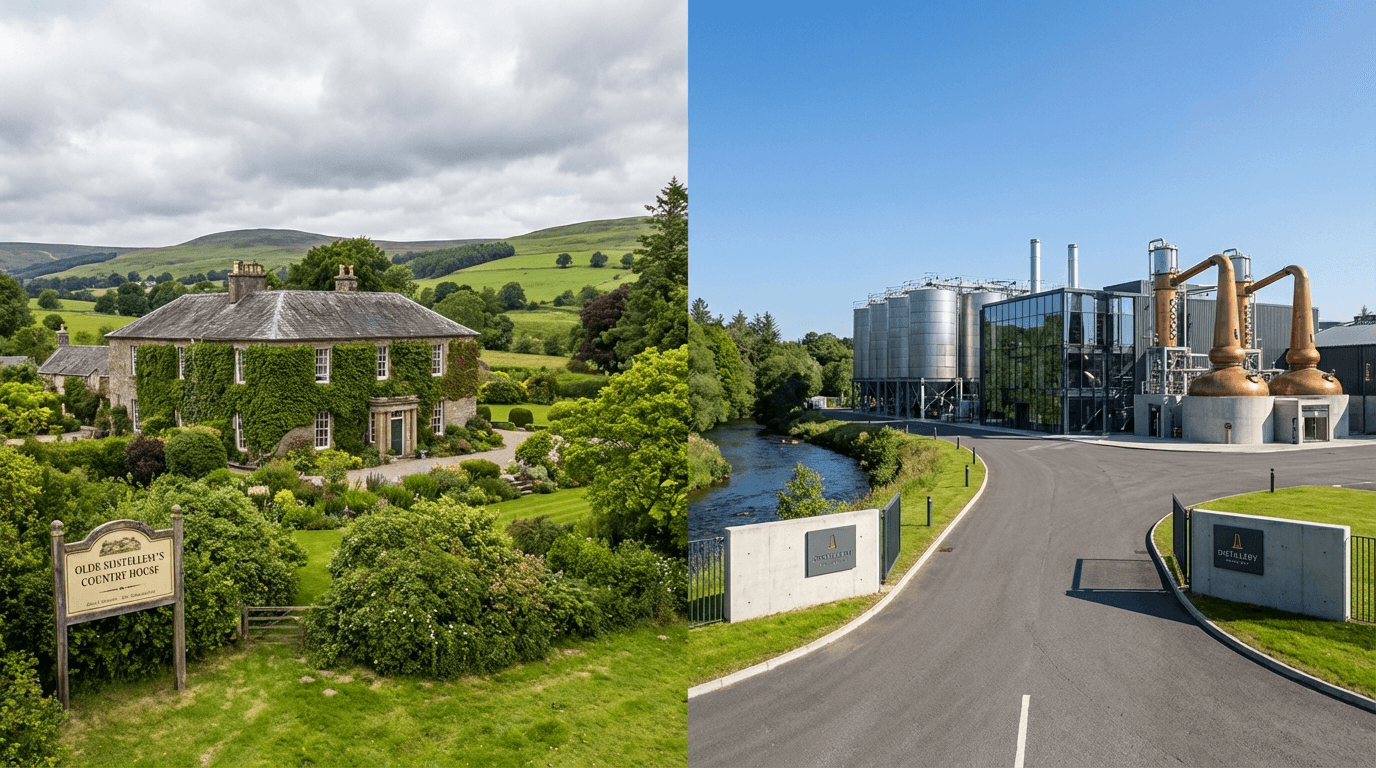
What You Actually Learn
Beyond the fun and the souvenir bottle, gin school teaches genuine distillation principles:
Botanical balance — You discover why juniper must dominate (legal requirement and flavor foundation), why coriander adds citrus notes, why angelica root provides dryness. You learn that more botanicals don't necessarily mean better gin.
The distillation process — You understand how heat separates alcohol from water, how different compounds vaporize at different temperatures, why the "cut" matters. These principles apply to whiskey, vodka, and any distilled spirit.
Your personal palate — By creating your own recipe, you learn what you actually like. Many participants surprise themselves — the citrus-heavy gin they expected to prefer loses to a more herbal, complex blend.
Appreciation for craft — After creating 500ml of drinkable gin, you understand why craft spirits cost more than mass-produced alternatives.
The Practical Details
Booking: Both schools require advance reservation, especially weekends. Group sizes are limited — typically 8-12 people per session.
Duration: Plan 3-4 hours including arrival, instruction, distillation, and bottling.
Cost: Listoke €95, Drumshanbo €110. Both include your 500ml bottle, certificate, and distillery tour.
What to bring: Nothing specific — all equipment provided. Wear comfortable clothes; the still rooms get warm.
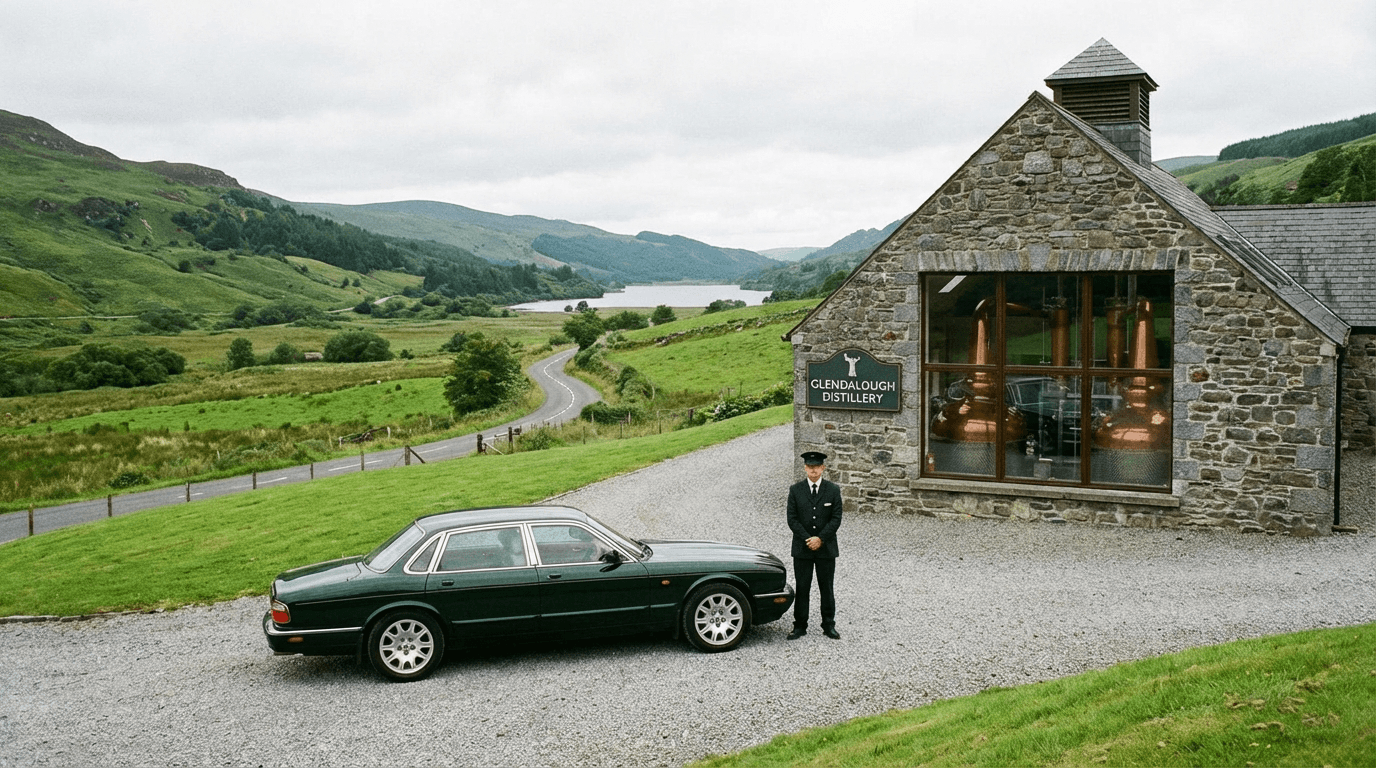
Transport: Neither venue is accessible by public transport. You need a car or driver. This creates the familiar drink-driving problem: Irish law prohibits driving under the influence regardless of whether you consumed the alcohol or created it.
Age restrictions: Both schools require participants to be 18+.
The Drink-Driving Reality
Here's the complication: gin school is essentially a distillery where you happen to be doing the distilling. You're producing 500ml of 40% ABV spirit — roughly ten standard drinks. While you're not consuming it all on-site, you're definitely tasting throughout the process, and you're leaving with a bottle of strong alcohol.
Irish drink driving laws are strict: 50mg blood alcohol limit, roughly one small drink. Even moderate tasting during a three-hour session puts you over. Add the fatigue of concentration and travel, and driving afterward is genuinely dangerous as well as illegal.
This is where a Private Driver transforms gin school from "logistical headache" to "perfect day out." Your driver handles the motorway, waits during your experience, and ensures you return safely without worrying about blood alcohol limits. For groups, the cost splits reasonably across participants. For couples or solo travelers, it's still cheaper than a court date or accident.
Consider: you've paid €95-110 for the experience and have a bottle of personal gin as souvenir. Risking all of that — plus your license and safety — to save €50 on a driver is false economy.
Beyond Gin School: Ireland's Gin Scene
Even if you don't attend gin school, Ireland's gin revival offers excellent tasting opportunities:
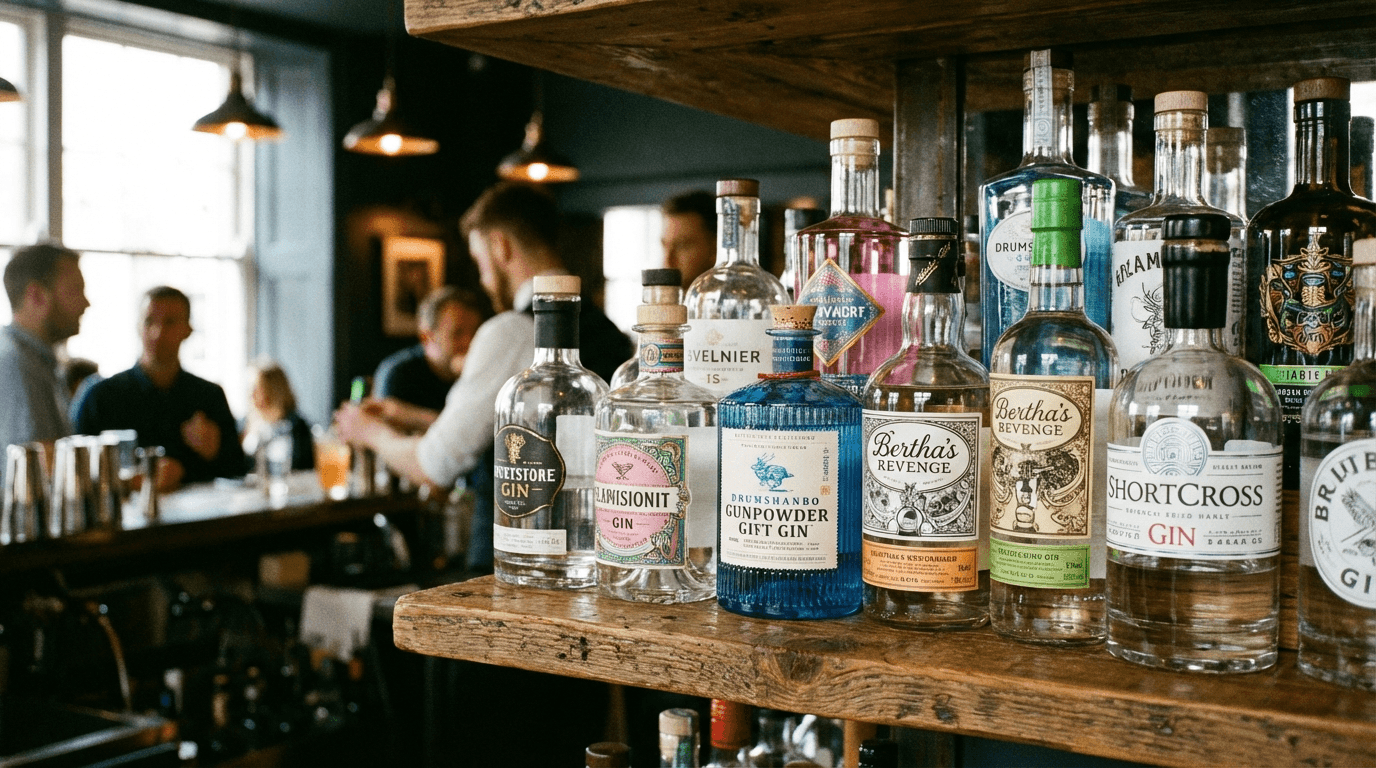
Dublin: 9 Below, The Liquor Rooms, and The Gin Palace specialize in gin cocktails. Most bars now carry at least five Irish gins.
Belfast: The Muddlers Club and The Merchant Hotel showcase Northern Irish gins.
Distillery tours: Listoke and Drumshanbo offer standard tours for €15-20. Other options include Blackwater in Waterford and Dingle in Kerry.
The trend: Irish gin consumption has grown 300% since 2015. Where once there were three Irish gins, now there are sixty-plus. The success of Gunpowder has created a category that didn't exist a decade ago.
Gin school sits at the intersection of this trend and experiential tourism. It's about understanding gin, creating it, taking ownership of the process.
Final Verdict: Gin School Is Worth the Investment
At €95-110, gin school isn't cheap. But the value proposition is strong: three hours of hands-on education, a unique souvenir you cannot buy anywhere else, genuine craft learning, and an experience that becomes a story you'll tell for years.
Compare it to standard distillery tours (€20-35 for 45 minutes of walking and tasting) and gin school offers significantly more engagement. Compare it to other experiential tourism — cooking classes, pottery workshops, adventure activities — and the price aligns with similar hands-on experiences.
For whiskey-averse visitors, gin school provides an Irish spirits experience without forcing whiskey appreciation. For enthusiasts, it complements whiskey tours by showing another side of Irish distilling. For groups, it's social, memorable, and produces tangible souvenirs everyone takes home.
The location constraints matter — you need to reach Listoke or Drumshanbo, and you cannot legally drive afterward. But solve those logistics with a Private Driver and gin school becomes a highlight rather than a complication.
The Water of Life: The Ultimate Guide to Irish Whiskey & Breweries — the master hub — covers Ireland's full spirits landscape, from whiskey to poitín and beyond. While whiskey dominates historically, gin represents Ireland's present and future: innovative, craft-focused, and increasingly world-class. Gin school lets you participate in that story rather than merely observe it.
Sláinte — or rather, cheers, with a G&T made from gin you distilled yourself.
---
Table of Contents
Share this post
More from the Blog

Cork to Blarney Castle Day Trip: The Stone, the Gardens and What Else to See
Plan a Cork to Blarney Castle day trip. Kiss the stone, explore the Poison Garden, and add Cork city, Fota or Kinsale for a full day out.

Cork to Cobh Day Trip: Titanic, Colourful Houses and Harbour History
Plan a Cork to Cobh day trip by train, car or private driver. Explore Titanic history, St Colman's Cathedral, Spike Island and the best harbour views.

Cork to Killarney Day Trip: Lakes, Mountains and Muckross in One Day
A Cork to Killarney day trip is a longer escape into Kerry. Here's how to plan the drive, what to see in Killarney National Park, and why a private driver helps.