
Game of Thrones Territory: A Guide to the Dark Hedges & Winterfell
Northern Ireland isn't just part of the Seven Kingdoms on screen—it's become synonymous with Westeros itself. When HBO needed landscapes that felt both medieval and mythic, they found them in the glens, coastlines, and forests of Ulster.
The relationship runs deeper than location scouting. Northern Ireland hosted the production headquarters at Paint Hall Studios in Belfast for all eight seasons. Over those years, the show employed thousands of locals, built permanent infrastructure, and transformed how the world sees this corner of Ireland.
For visitors, the legacy is a network of filming locations clustered along the Causeway Coast and throughout County Down—sites that range from instantly recognisable (the Kingsroad) to subtly integrated (the Iron Islands' rugged beaches). The challenge isn't finding them; it's understanding how to string them together without spending your holiday navigating rural backroads and wondering which car park leads to which set.
The Dark Hedges: The Real Kingsroad
There's a reason this avenue of beech trees became one of the most photographed locations in Game of Thrones. Planted in the 18th century by the Stuart family to impress visitors approaching their estate, the Dark Hedges evolved into something far more atmospheric than intended.
The trees have grown together over centuries, their branches intertwining to form a tunnel. On misty mornings or at golden hour, the light filters through in beams that photographers chase for hours. This became the Kingsroad in Season 2, most memorably when Arya Stark escaped King's Landing disguised as a boy.
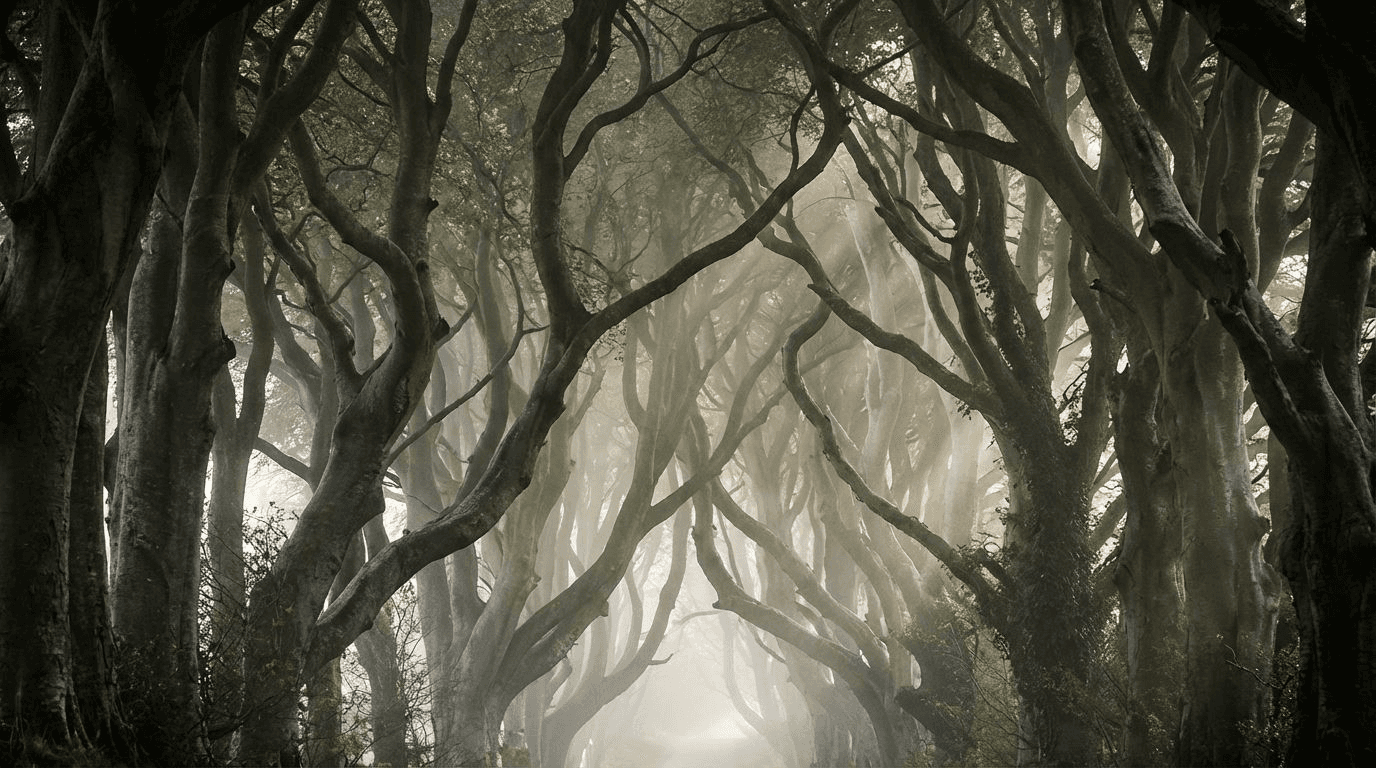
The reality is more complicated than Instagram suggests. The hedges sit on a narrow rural road (Bregagh Road, near Armoy in County Antrim) with no dedicated parking. Tour buses block the single lane. Selfie-takers step into traffic without looking. The estate owners have resorted to traffic management measures and restricted access during peak times.
Best times to visit are early morning (before 9am) or late evening (after 6pm) when the tour buses have departed. The location faces northeast, meaning the best light actually comes from behind the trees in morning—contrary to what many photographers expect.
Castle Ward: Winterfell Itself
While much of Winterfell was built as interior sets at Paint Hall, the exterior courtyard and many outdoor scenes were filmed at Castle Ward, a National Trust property on the shores of Strangford Lough. The 18th-century farmyard, with its distinctive double-sided architecture (one side classical, one Gothic), became the Stark family home.
What makes Castle Ward exceptional for visitors is the infrastructure HBO left behind. The production team built a permanent Winterfell archery range, and the National Trust now offers "Winterfell Tours" that include costumes, props, and the actual filming locations within the estate.
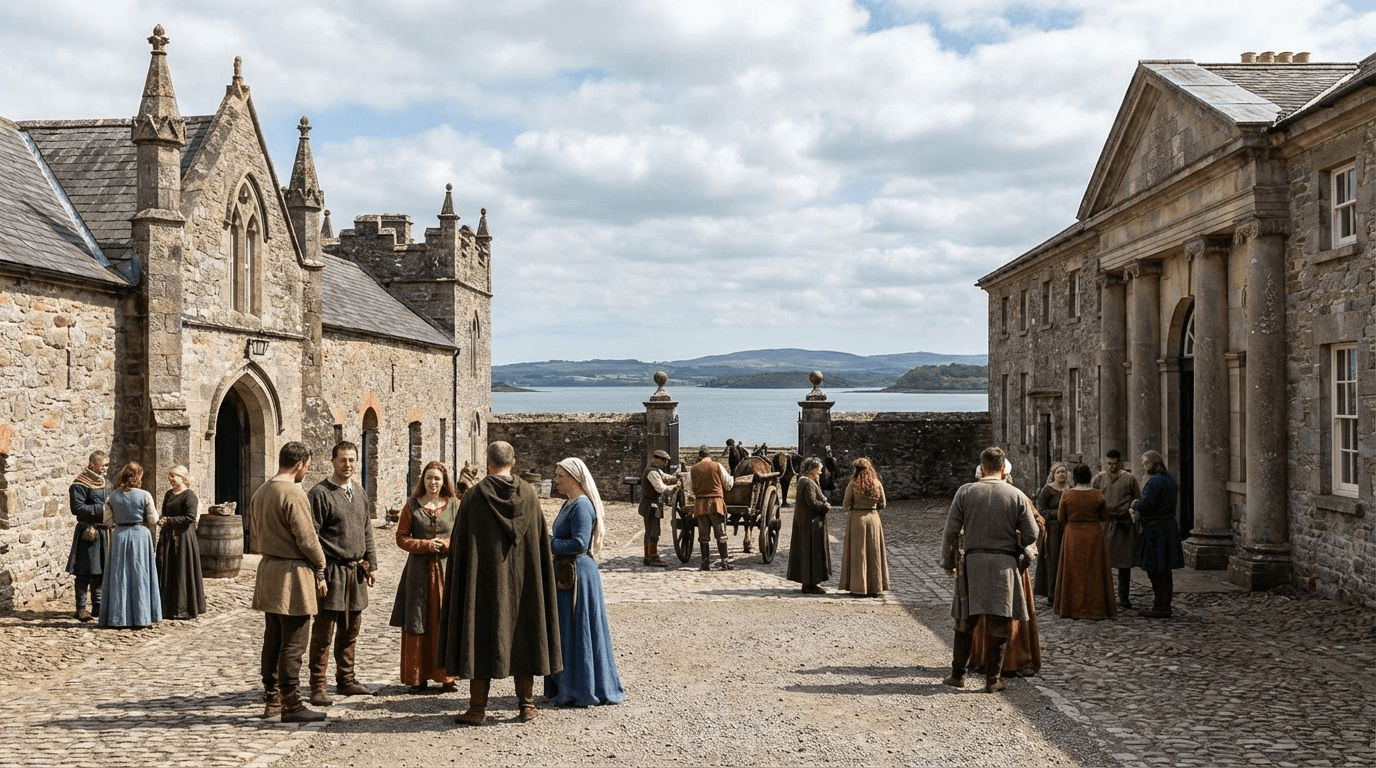
You can cycle the 10km trail around the estate, visiting locations from specific scenes. The woodland path where Jaime and Brienne fought? Here. The bridge where Robb Stark said goodbye to his bannermen? Still standing. The twin-towered castle on the lough shore that's appeared in multiple establishing shots? That's Audley's Castle, a few minutes' walk from the main yard.
The commercial reality: Castle Ward is a 40-minute drive from Belfast on narrow roads. Public transport doesn't reach the estate gates. Without a car or driver, you're looking at expensive taxi fares or organised coach tours that spend more time in transit than at locations.
The Causeway Coast: From Dragonstone to the Iron Islands
The Antrim Coast Road provides some of Europe's most dramatic driving scenery—and some of Game of Thrones' most memorable locations. The route strings together multiple filming sites across 60 kilometres of cliff-hugging coastal road.
Ballintoy Harbour became Lordsport, the main port on the Iron Islands. The small fishing harbour, with its stone slipway and limestone cliffs, appeared whenever Theon Greyjoy returned to his homeland. The reality is a working harbour with limited parking, often crowded in summer with both tourists and actual fishermen.

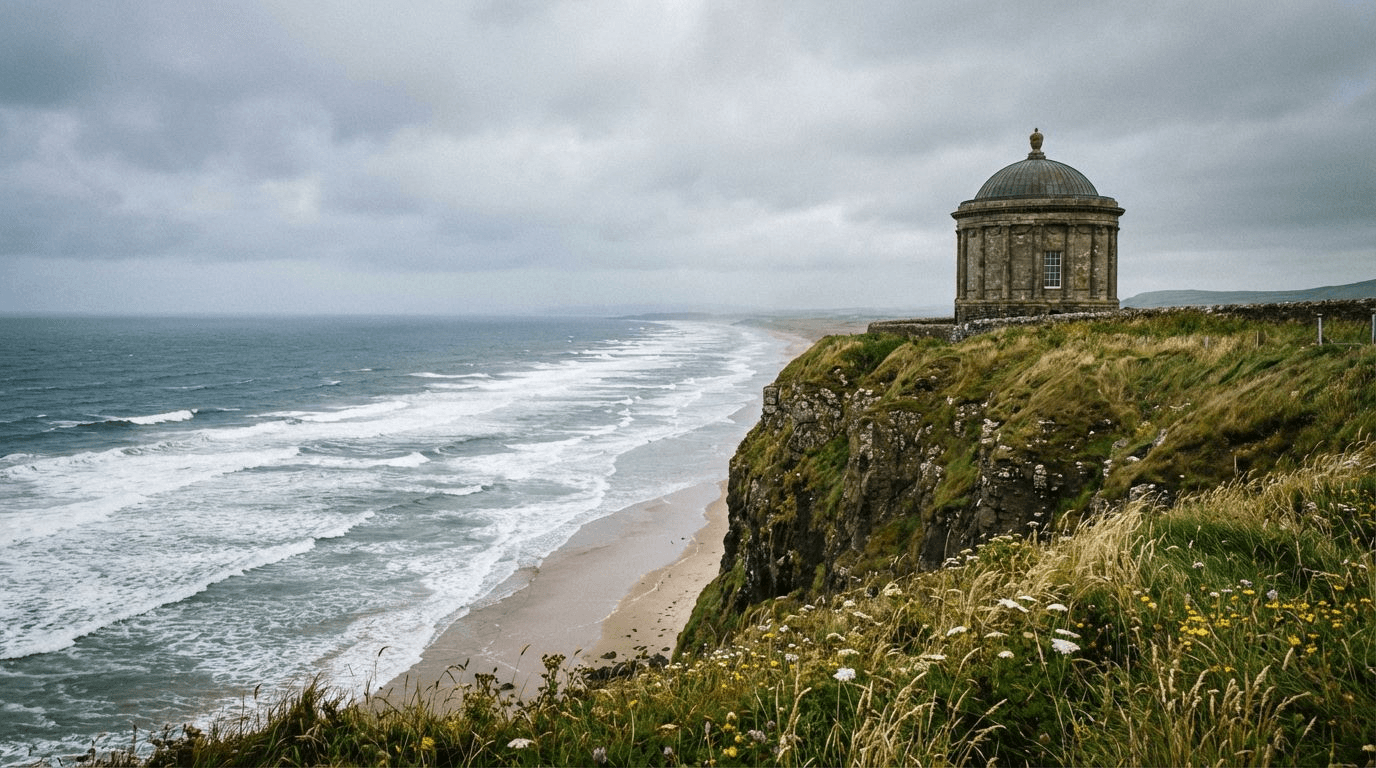
Downhill Strand hosted the Dragonstone scenes where Melisandre burned the Seven's statues. This seven-mile beach, backed by Mussenden Temple perched dramatically on a cliff edge, provides the scale the show needed for Stannis Baratheon's religious ritual. The temple itself (a 1785 folly built by the Earl-Bishop of Derry) is now an iconic image of the Causeway Coast.
The Cushendun Caves served as the Stormlands location where Melisandre gave birth to the shadow assassin. These sea caves, carved by 400 million years of geology, are accessible only at low tide and require scrambling over wet rocks. Tour buses can't reach them. The nearest parking is a 15-minute walk along the coastal path.
Cairncastle provided the execution location in the pilot episode where Ned Stark beheaded the deserter from the Night's Watch. The view from this elevation—looking down over Larne and out to Scotland on clear days—established the scale of the North. The location is unmarked; finding it requires local knowledge or GPS coordinates.
The Practical Problem: Distribution and Access
Here's what most Game of Thrones tourism content won't tell you: these locations are scattered across an 80-kilometre stretch of some of Northern Ireland's most demanding roads. The Causeway Coast Road (A2) is narrow, winding, and frequently blocked by agricultural traffic, caravans, or simply tourists who've stopped to photograph the view.
The logical route—Belfast to Castle Ward to Dark Hedges to Causeway Coast—involves backtracking and side roads. Public transport is essentially non-existent between these rural locations. Organised coach tours exist, but they run to fixed schedules that maximise passenger turnover rather than photography opportunities or genuine exploration.
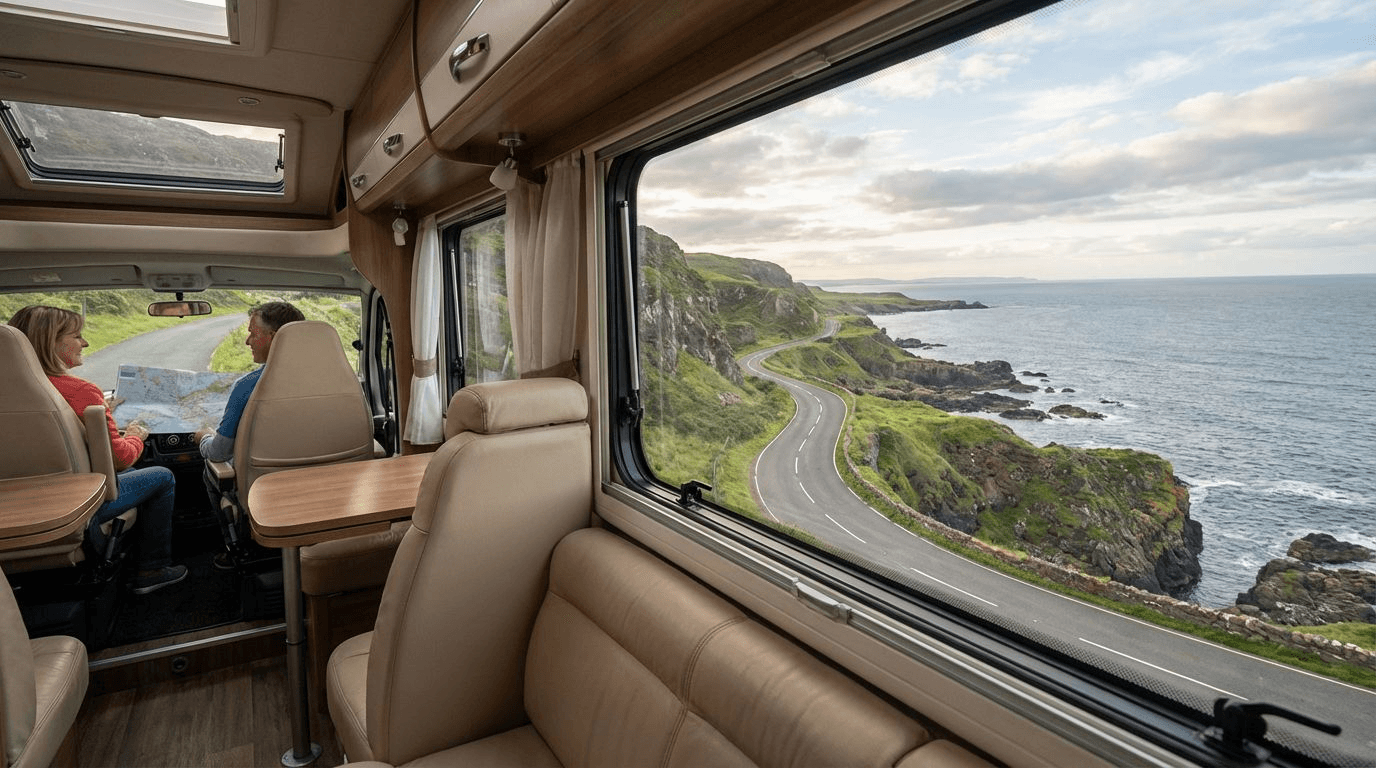
Weather compounds the problem. The Antrim Coast receives some of Northern Ireland's highest rainfall. The cliffs are exposed to Atlantic winds that can make opening car doors hazardous. Fog rolls in from the sea without warning, obscuring the very views you've driven to see.
For a location like the Dark Hedges, timing is everything. Arrive at midday in July and you'll share the road with three coach parties. Arrive at 7am in October and you'll have the place to yourself—but you'll need someone willing to drive you there, wait while you explore, and potentially pivot the itinerary if conditions change.
Why a Private Driver Is the Only Practical Solution
Let's be direct about the logistics. To see Castle Ward, the Dark Hedges, and the key Causeway Coast locations properly—without rushing, without missing the best light, without spending half your day in car parks—you need someone who knows the routes intimately.
A private driver based in Belfast or along the coast doesn't just transport you. They know which direction to approach the Dark Hedges for the best photography. They know when the Cushendun Caves are accessible (tide tables matter). They know which viewpoints along the coast road match specific shots from the show.
More practically, they solve the parking problem. Castle Ward's car park fills by mid-morning in peak season. The Dark Hedges has no official parking at all—just a dangerous roadside squeeze. Ballintoy Harbour has perhaps twenty spaces for a location that attracts hundreds daily.
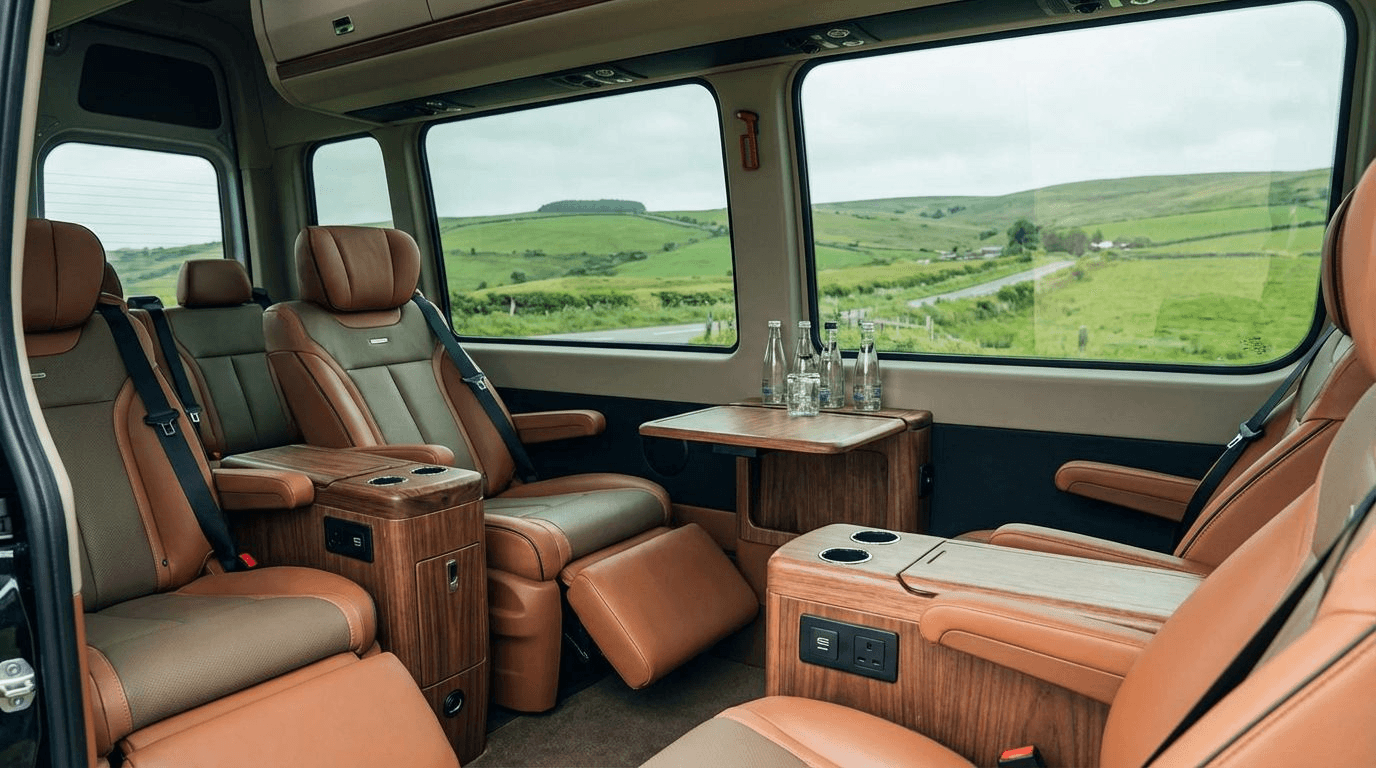
The comfort factor matters on this route. The Causeway Coast Road demands constant attention—narrow lanes, blind corners, sheep wandering onto tarmac, tractors that take priority. Doing this as a self-drive means one person misses the scenery entirely while navigating, and everyone arrives at locations stressed rather than ready to explore.
A driver also provides flexibility the show itself would have appreciated. Weather on the Antrim Coast changes hourly. The morning might start clear and end in Atlantic drizzle. With a driver, you can rearrange the itinerary—maybe doing Castle Ward in rain (the Winterfell courtyard works atmospherically wet) and hitting the coast if it clears. Self-driving, you're committed to whatever sequence you planned, regardless of conditions.
What to Expect at Key Locations
Castle Ward (Winterfell):
- Entry: National Trust members free; otherwise £15-20 per adult
- Time needed: 3-4 hours for full Winterfell tour and cycling trail
- Best for: Families, archery experience, costume hire photos
- Physical demand: Moderate (cycling trail has hills)
The Winterfell-specific tour requires booking, especially in summer. It includes access to areas closed to general visitors, props and costumes from the show, and archery instruction on the actual filming location. Even non-fans find the estate's history and the lough views worthwhile.
Dark Hedges (Kingsroad):
- Entry: Free (public road)
- Time needed: 30-45 minutes for photography
- Best for: Atmospheric shots, dawn/dusk visits
- Physical demand: Low (roadside location)
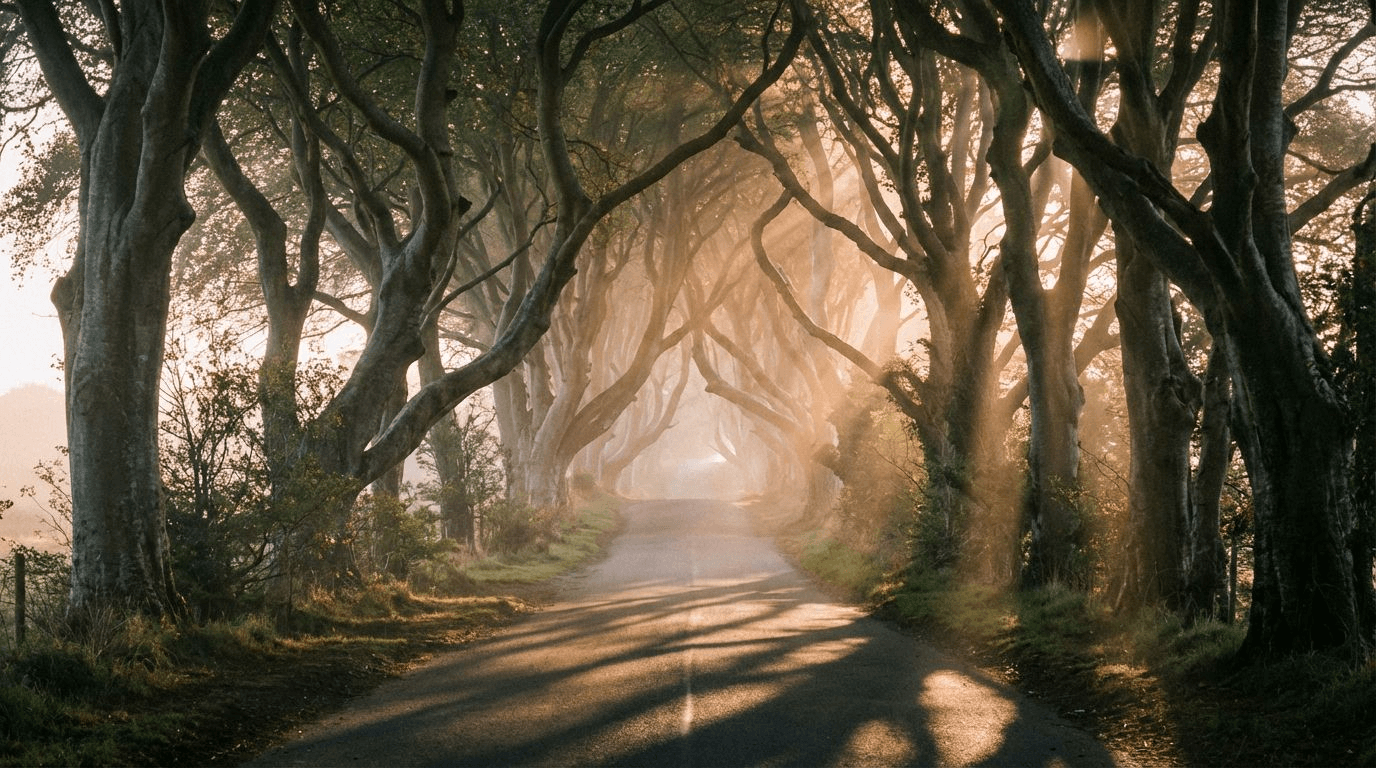
The location's popularity has created management issues. The Bregagh Road now has one-way traffic at peak times, and parking is officially restricted to a small layby that fills instantly. Early morning or late evening visits are essential for the experience the show captured—empty, atmospheric, slightly ominous.
Ballintoy Harbour (Lordsport):
- Entry: Free
- Time needed: 1-2 hours including coastal walk
- Best for: Harbour photography, cliff walks, seafood
- Physical demand: Moderate (steep access road, uneven surfaces)
The harbour itself is small—a dozen fishing boats, a stone slipway, limestone cliffs. The Game of Thrones connection brought tourism that now sustains local businesses. Roche's Point and the nearby Carrick-a-Rede rope bridge (non-GOT but spectacular) make this a natural half-day stop.
Mussenden Temple and Downhill Strand (Dragonstone):
- Entry: National Trust (temple) and public beach
- Time needed: 2-3 hours
- Best for: Temple photography, beach walks, dramatic coastal views
- Physical demand: Low to moderate (temple requires downhill walk)
The temple sits on a cliff edge that's eroding—eventually it will collapse into the sea. This lends urgency to visiting, and explains why the National Trust limits access. The beach below is seven miles of sand backed by dunes, offering genuine solitude even in summer.
When to Visit
Peak season (June-August): Longest days, warmest weather, maximum crowds. Book Castle Ward tours weeks ahead. Dark Hedges requires 6am arrival for empty shots.
Shoulder season (April-May, September-October): The sweet spot. Daylight still extends to 8pm in May and September. Tour groups thin out. Heather blooms on the hills in August-September. Rain is still frequent but manageable.
Winter (November-March): Atmospheric but demanding. Daylight ends by 4pm. Storms roll in from the Atlantic. Some locations (Cushendun Caves) become inaccessible. But the Dark Hedges in winter mist, without crowds, is genuinely magical.
For dedicated location hunting, late September offers the best balance—manageable weather, reduced crowds, and the autumn light that cinematographers favour.
Other film locations in Ireland:
Northern Ireland is not the only region to star on screen. The southwest boasts Star Wars in Ireland: How to Visit Skellig Michael & Malin Head — where the Skellig islands became Ahch-To in The Last Jedi. Combining both clusters makes for an epic cross-Ireland cinematic road trip.
For Cinematic Ireland: The Ultimate Guide to Film & TV Locations — the master hub
Final Thoughts
Game of Thrones transformed Northern Ireland's tourism economy. Locations that were previously known only to locals now attract global visitors. The infrastructure has adapted—there are dedicated tours, apps that overlay show footage onto real locations, and locals who worked as extras and can share genuine stories.
But the fundamental geography hasn't changed. These locations remain scattered across rural Ulster, connected by narrow roads that don't suit rushed coach tours or inexperienced drivers navigating on the left for the first time.
The Iron Islands were supposed to be remote and difficult to reach. That's not an accident of filming—it was a necessity of the landscape. The same conditions that made Northern Ireland perfect for Westeros make it challenging for casual tourism.
Doing it properly means either joining a large coach group (fixed schedule, limited time at each location, shared with fifty other passengers) or investing in transport that gives you control. For locations this dispersed, across terrain this demanding, the choice becomes obvious pretty quickly.
Table of Contents
Share this post
More from the Blog

Cork to Blarney Castle Day Trip: The Stone, the Gardens and What Else to See
Plan a Cork to Blarney Castle day trip. Kiss the stone, explore the Poison Garden, and add Cork city, Fota or Kinsale for a full day out.

Cork to Cobh Day Trip: Titanic, Colourful Houses and Harbour History
Plan a Cork to Cobh day trip by train, car or private driver. Explore Titanic history, St Colman's Cathedral, Spike Island and the best harbour views.

Cork to Killarney Day Trip: Lakes, Mountains and Muckross in One Day
A Cork to Killarney day trip is a longer escape into Kerry. Here's how to plan the drive, what to see in Killarney National Park, and why a private driver helps.