
Literary Walking Tours in Ireland: Dublin, Limerick, Galway and Beyond
The literary walking tour is a distinct Irish form. It developed in Dublin in the 1980s, when actors and writers began leading small groups through the city, stopping at pubs and street corners to read from Joyce, Beckett, and Behan. The format has since spread to Limerick, Galway, Cork, and Belfast, each city adapting it to its own writers and history. What distinguishes the Irish literary walking tour from similar tours in London or New York is the relationship between the guide and the material. The best guides are not reciting facts. They are performing the literature in the places where it was written, and the performance changes the text.
This guide covers the major literary walking tours in Ireland, what each covers, how they differ, and how to choose the right one for your interests. For the full picture of Ireland's literary landscape, the Literary Ireland: A Guide to Writers, Poets, Book Towns and Literary Landmarks connects every major writer's territory across the island.

Dublin: The Original Literary Walking Tour
Dublin has more literary walking tours than any other Irish city, and the quality varies accordingly. The established tours fall into three categories: the actor-led performance tours, the academic historical tours, and the themed single-writer tours.
The Dublin Literary Pub Crawl, which has run since 1988, is the original and still the best-known. Two actors lead groups through the city centre, performing scenes from Joyce, Beckett, Wilde, Behan, and Kavanagh in the pubs where the writers drank. The tour is as much theatre as history, and the actors' knowledge of the material is deep enough that they can adjust the performance based on the crowd. The pub crawl runs daily and lasts approximately two hours. Booking in advance is recommended, particularly in summer and around Bloomsday.
Academic historical tours tend to focus on the Georgian city and the relationship between its architecture and its writers. These tours visit Trinity College, the Georgian squares, and the National Library, explaining how the physical city shaped the literature produced within it. The guides are usually graduates of the university's literature programmes, and the tone is more seminar than performance. These tours suit visitors who want context more than entertainment.
Single-writer tours concentrate on one author. The Joyce tours are the most numerous, following Bloom's route through Ulysses or visiting the locations from Dubliners. There are also Wilde tours centred on Merrion Square, Beckett tours that trace his childhood in Foxrock, and a small number of Kavanagh tours that visit the pubs and canals he wrote about. The quality of single-writer tours depends heavily on the guide's specific knowledge. A good Joyce guide has read the critical literature as well as the novels. A poor one repeats anecdotes from the introduction to the Penguin edition.

Limerick: Frank McCourt, Angela's Ashes and the River Shannon
Limerick's literary walking tour is different from Dublin's because the city's literary reputation rests largely on a single book: Frank McCourt's Angela's Ashes. The tour visits the streets, schools, and churches that appear in the memoir, and the guide's job is to mediate between the book's vivid descriptions and the city's present reality. Some locations have changed little since McCourt's childhood in the 1930s and 1940s. Others have been demolished or redeveloped, and the guide must describe what was there while pointing at what is there now.
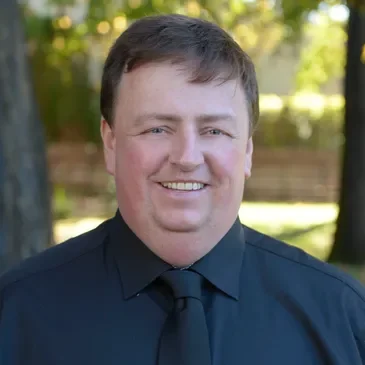
Maeve Ryan, who runs one of the established literary walking tours in Limerick, brings additional depth to the experience. Her tours cover not only Angela's Ashes but also the broader literary history of Limerick, including the nineteenth-century poet Michael Hogan, the novelist Kate O'Brien, and the contemporary writers who have emerged from the city's university. Ryan studied at the University of Limerick and has researched the city's literary history in detail. Her tours run by arrangement and can be tailored to specific interests, whether that means focusing on McCourt, exploring the university's literary connections, or tracing the River Shannon's presence in Irish poetry.
The Limerick tour also benefits from the city's scale. Limerick is smaller than Dublin, and the relevant locations are concentrated in the city centre and the historic Georgian area known as Newtown Pery. A comprehensive literary walking tour of Limerick takes approximately two hours and covers ground that is easily walkable without the logistical complications of Dublin's traffic and crowds.

Galway: The West of Ireland's Literary Coast
Galway's literary identity is different from Dublin's or Limerick's. The city has produced significant writers — Liam O'Flaherty, Walter Macken, Pádraic Ó Conaire — but its literary reputation rests as much on the writers who visited or settled there as on those who were born there. The Galway literary tour reflects this, mixing local writers with the visitors who wrote about the city and its surrounding landscape.
The Galway City Museum runs a regular literary walking tour that covers Ó Conaire's statue, the locations from O'Flaherty's novels, and the pubs where the city's writers gathered. Independent guides offer additional tours that focus on the Irish-language literary tradition, which is stronger in Galway than in most other Irish cities. The city's position on the edge of the Irish-speaking Gaeltacht means that the relationship between Irish and English literature is visible in the street names, the shop signs, and the bilingual culture of the pubs.
Galway also serves as the gateway to the broader literary landscape of the west. The Lady Gregory Museum at Coole Park, thirty kilometres east, covers the life and work of Augusta Gregory, the co-founder of the Abbey Theatre and a central figure in the Irish Literary Revival. Thoor Ballylee, Yeats's tower house, is forty kilometres south. Many visitors combine a Galway city tour with a day trip to one or both of these sites. A guide who knows the region can connect the city tour to the rural locations that appear in the literature, explaining how the west of Ireland's landscape shaped the writing produced there.

Cork, Belfast and the Smaller Cities
Cork has a developing literary tour scene that reflects the city's recent cultural investment. The Cork City Library runs a walking tour covering the city's writers, including Elizabeth Bowen, Seán Ó Faoláin, and the contemporary poet Theo Dorgan. The tour visits the Crawford Art Gallery, the English Market, and the streets of the historic centre, explaining how the city's mercantile history influenced its literature.
Belfast's literary tours operate in a different context. The city's literature is dominated by the Troubles and its aftermath, and the tours reflect this. The Belfast Literary Tour visits locations associated with C.S. Lewis, Seamus Heaney, and the contemporary poets who have written about the city's divisions. The tone is more political than the Dublin or Galway tours, and the guides are usually working writers or academics with direct experience of the period.

Smaller cities and towns have begun to develop their own literary tours. Sligo runs a Yeats-focused tour that connects the town to the surrounding landscape. Derry has a tour covering Seamus Heaney's connections to the city. Wexford has a tour focused on the opera festival and its literary connections. These smaller tours are often run by volunteers or local historians, and while they lack the polish of the established Dublin tours, they offer access to local knowledge that is difficult to find elsewhere.

What to Expect on a Literary Walking Tour
A typical literary walking tour lasts between ninety minutes and two and a half hours, covers two to four kilometres, and stops at five to eight locations. The guide reads extracts from the relevant writers at each stop, provides historical context, and answers questions. Most tours are conducted in English, though some Galway and Belfast tours offer Irish-language or bilingual options.
The physical demands are modest. The walks are on paved streets, usually in the city centre, and the pace is determined by the stops rather than the distance. Weather is the main variable. Irish literary walking tours run in rain, and the guides have strategies for keeping groups dry — covered stops, pub interiors, and umbrellas. Only extreme weather cancels a tour, and cancellations are rare.
Group sizes vary. The Dublin pub crawl limits groups to twenty-five people. Academic tours often take smaller groups of ten to fifteen. Private tours can be arranged for any size, though groups of more than fifteen usually require a second guide. The experience is significantly better in a small group. You can hear the guide clearly, ask questions without shouting, and enter pubs or buildings that cannot accommodate large parties.

Why You Need a Local Literary Guide
A local literary guide is not a luxury on these tours. They are the mechanism by which the tour works. The guide's knowledge determines what you see, what you understand, and what you remember. A guide who has studied the writers, walked the streets, and read the critical literature can show you details that a casual visitor would miss: the specific window that Joyce described, the pub table where Behan wrote, the schoolyard that appears in McCourt's memoir.
The best guides also understand the relationship between literature and place as a living tradition, not a historical curiosity. They can point out the contemporary writers who are working in the same streets, the new publications that continue the city's literary culture, and the ways in which the city's identity is still being written. A guide who treats Dublin or Limerick as a literary city rather than a literary museum gives you a more complete and more useful experience.
Booking a literary walking tour with a local guide ensures that your time is structured by someone who knows the material and the streets. The guides listed on the platform have been vetted for their knowledge, their communication skills, and their familiarity with the specific writers and locations they cover.

Frequently Asked Questions
How much do literary walking tours in Ireland cost?
Public group tours typically cost between 15 and 25 euros per person. Private tours cost between 100 and 200 euros for the group, depending on the duration and the guide's specialisation. The Dublin Literary Pub Crawl costs around 20 euros, which includes the performance but not drinks. Some university-affiliated tours are free or donation-based. Tips are appreciated but not mandatory.
Do literary walking tours run year-round?
Dublin tours run throughout the year, though winter schedules are reduced. Galway and Limerick tours are more seasonal, running from April to October with limited winter availability. Belfast tours run year-round. Always check the specific tour's schedule before travelling, as Christmas and New Year closures are common.
Can you do literary walking tours in Irish?
Yes, but options are limited. Galway offers the most Irish-language literary tours, reflecting the city's location on the edge of the Gaeltacht. Dublin has a small number of Irish-language tours focused on the Irish Literary Revival and the writers who worked in Irish. Most other cities offer English-language tours only. If you want an Irish-language tour, booking in advance is essential, as the demand is niche and the guides are few.
Are literary walking tours suitable for children?
It depends on the tour and the child. The Dublin Literary Pub Crawl is restricted to adults because it enters pubs. Academic and historical tours are suitable for older children who have some familiarity with the writers. Tours that focus on Angela's Ashes or the Troubles may contain material that parents prefer to introduce themselves. Check with the tour operator before booking if you are travelling with children.
Conclusion
Ireland's literary walking tours are the most direct way to connect the country's literature to its geography. Reading Joyce in London or New York is one experience. Walking the streets he described, hearing his words read in the pubs where he drank, is another entirely. The same applies to every writer on every tour: the place changes the text, and the text changes the place.
For visitors planning a literary trip, the Dublin Literary Pub Crawl: What to Expect and Where the Writers Actually Drank covers the city's most established tour in detail. And for those drawn to the west of Ireland, the Yeats Country Sligo: Visiting W.B. Yeats' Grave, Thoor Ballylee and the Poetry Landscape traces the landscape that shaped some of the country's most important poetry.
Table of Contents
Share this post
More from the Blog

Cork to Blarney Castle Day Trip: The Stone, the Gardens and What Else to See
Plan a Cork to Blarney Castle day trip. Kiss the stone, explore the Poison Garden, and add Cork city, Fota or Kinsale for a full day out.

Cork to Cobh Day Trip: Titanic, Colourful Houses and Harbour History
Plan a Cork to Cobh day trip by train, car or private driver. Explore Titanic history, St Colman's Cathedral, Spike Island and the best harbour views.

Cork to Killarney Day Trip: Lakes, Mountains and Muckross in One Day
A Cork to Killarney day trip is a longer escape into Kerry. Here's how to plan the drive, what to see in Killarney National Park, and why a private driver helps.