
Dublin on Wheels: Avoiding Cobblestones in the Capital
Dublin is a city of stories, songs, and unrivaled atmosphere. It is intimate, walkable, and bursting with history. However, for a visitor with limited mobility—whether you use a wheelchair, a walker, or simply have knees that complain after a long day—Dublin can present a unique set of challenges.
The very thing that makes Dublin charming—its medieval street layout and historic paving—is also its biggest barrier. The famous "Cobbles of Temple Bar" might look picturesque on a postcard, but attempting to navigate them in a wheelchair is a bone-shaking experience that can ruin an afternoon. Furthermore, the Georgian "North Side vs. South Side" divide involves crossing the Liffey bridges, some of which are steeper than they appear.
But do not let this discourage you. Dublin is actually one of the most accessible capitals in Europe if you know where to go. The city has invested heavily in "dishing" curbs (lowering them for wheelchairs), upgrading bus fleets to be 100% accessible, and retrofitting its museums.
"I was terrified of the cobblestones I'd read about. But our guide, Archie, took us on a route that was completely smooth. We saw the Ha'penny Bridge and Trinity College without hitting a single bump." — Sarah & Jim, Texas
In this guide, we are going to map out the "Green Zones" (smooth, flat, easy) and the "Red Zones" (cobbled nightmares). We will help you plan a route that captures the magic of the Fair City without the physical struggle.
(This city guide is part of our master Ireland Without Barriers: The Ultimate Guide to Accessible & Senior Travel. For advice on accommodation in the city, check our specific guide to Accessible Hotels in Ireland: Finding Roll-in Showers).
1. The "Red Zone": Surviving Temple Bar
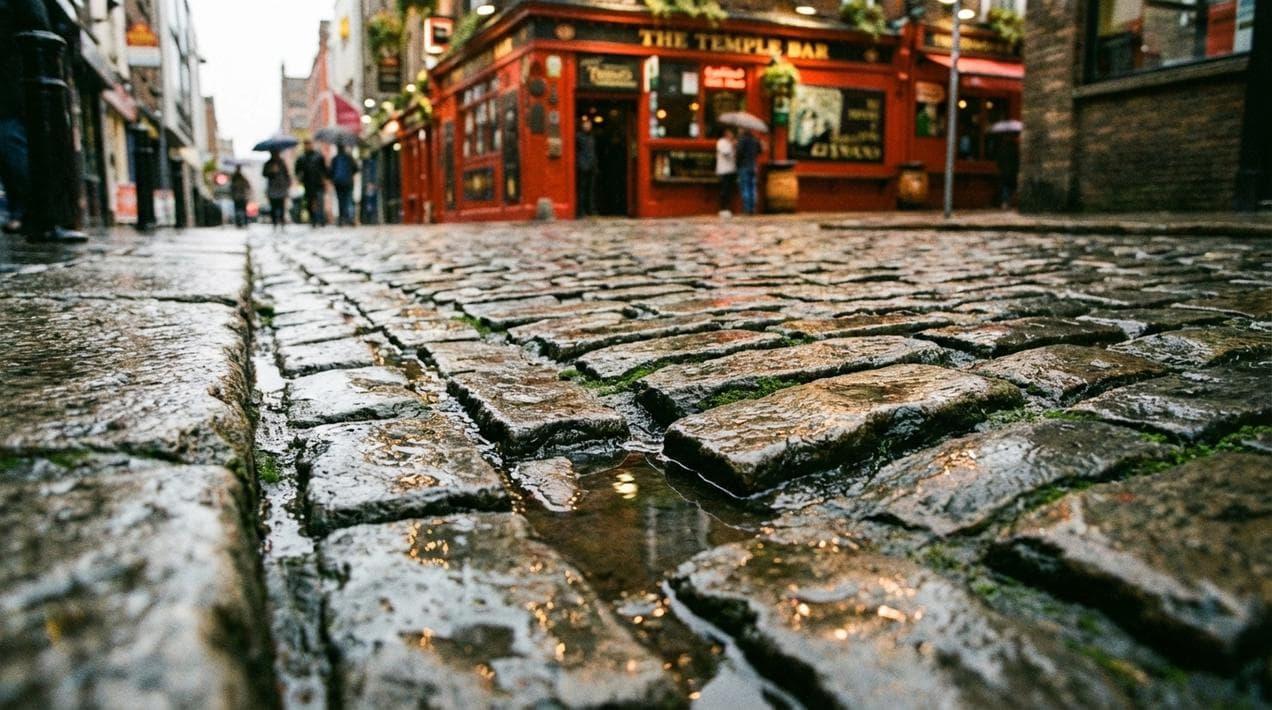
Let’s address the elephant in the room immediately: Temple Bar. This is the cultural quarter, famous for its pubs, buskers, and nightlife. It is also, unfortunately, paved almost entirely with traditional cobblestones.
For a wheelchair user or someone with a cane, Temple Bar is physically exhausting. The stones are uneven, slippery when wet (which is often), and the gaps can trap small caster wheels.
The Strategy: Go to the Edge, Not the Middle. You do not need to cross the center of Temple Bar to experience it.
- The Route: Stick to Dame Street (the southern border) or the Quays (the northern border along the river). These have wide, smooth concrete sidewalks.

- The "Accessible" Pub: Instead of fighting your way into The Temple Bar Pub (which is often wall-to-wall crowded and uneven), try the Porterhouse Central on Nassau Street or The Bank on College Green. These offer the same Victorian grandeur and atmosphere but with flat floors, elevators, and accessible restrooms.
2. The "Green Zone": Grafton Street & St. Stephen's Green
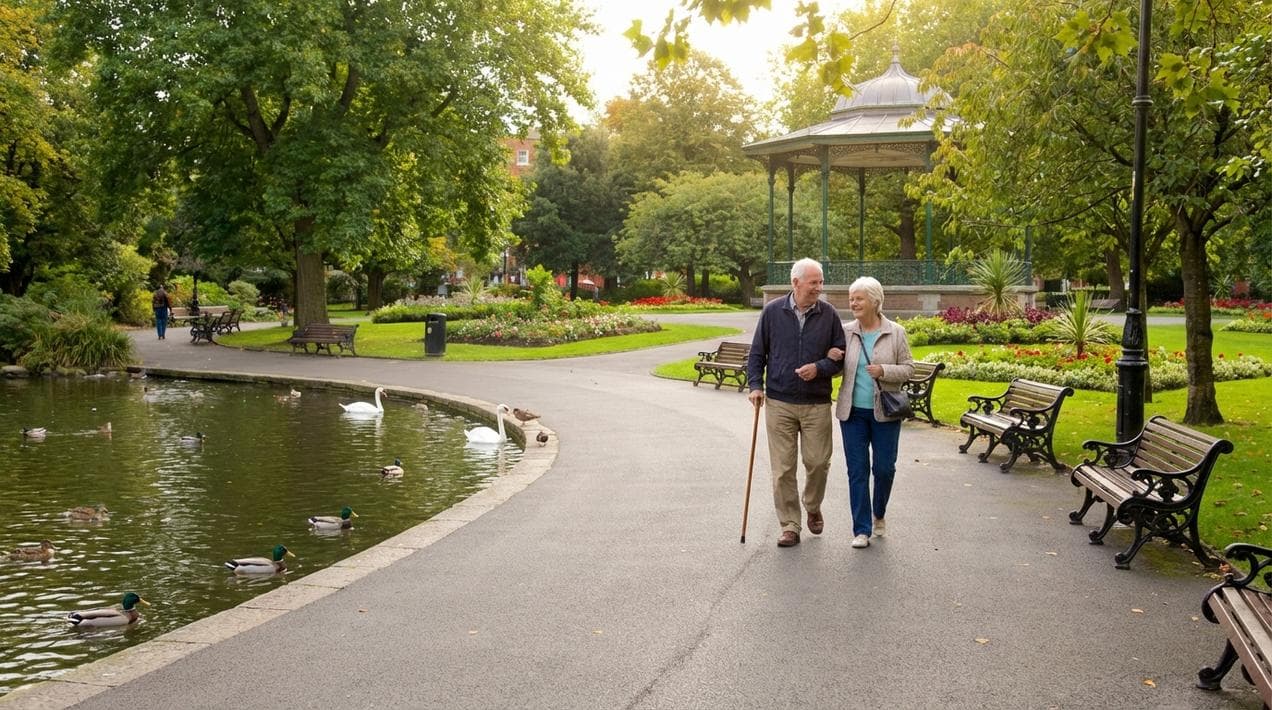
If you want a stress-free afternoon of shopping and people-watching, head to the Southside. Grafton Street is Dublin’s premier shopping street. It is pedestrianized and paved with smooth, high-quality flagstones. It is a dream for wheelchair users.
From the bottom of Grafton Street, you can wheel directly into Trinity College to see the Book of Kells (fully accessible via lift). From the top, you enter St. Stephen’s Green.
St. Stephen's Green is a Victorian park that is entirely flat. It features miles of smooth tarmac paths that wind past the duck ponds and flower beds. It is the perfect place to escape the noise of the city.
- Pro Tip: Look for the "Tactile Map" at the entrance for visually impaired visitors.
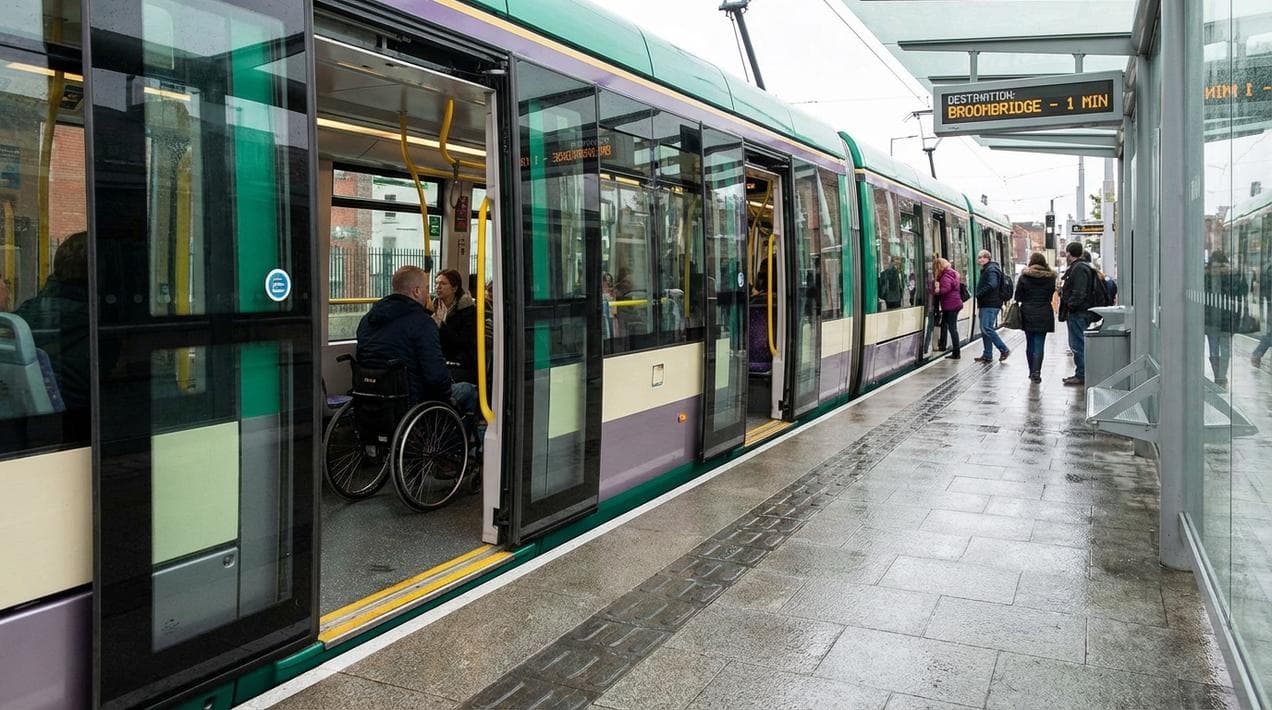
- The Luas (Tram): The Green Line tram runs right alongside this area. The Luas is 100% accessible, with "gap-free" boarding that allows you to roll straight on and off without a ramp. It is the best way to move between St. Stephen's Green and the shopping district.
3. Accessible Culture: Museums That Work
We have covered the castles in our Top 10 Accessible Heritage Sites guide, but Dublin has many other cultural gems that are perfectly suited for mobility-impaired visitors.
1. The National Gallery of Ireland (Merrion Square) This gallery has undergone a massive renovation. It is spacious, warm, and has elevators to all levels. You can see Caravaggios and Jack B. Yeats paintings without navigating a single step. The café is also excellent and fully accessible.
2. EPIC The Irish Emigration Museum (Docklands) Located in the CHQ building, this is arguably the most accessible museum in the country. It is all on one level, with wide corridors and interactive digital displays that are placed at a height suitable for wheelchair users.

3. GPO Witness History (O'Connell Street) This museum tells the story of the 1916 Rising. It is located inside the General Post Office. From the street, it looks like it has steps, but there is a clearly marked wheelchair entrance to the side. Inside, it is fully ramped and lift-accessible.
4. The "River Liffey" Boardwalk
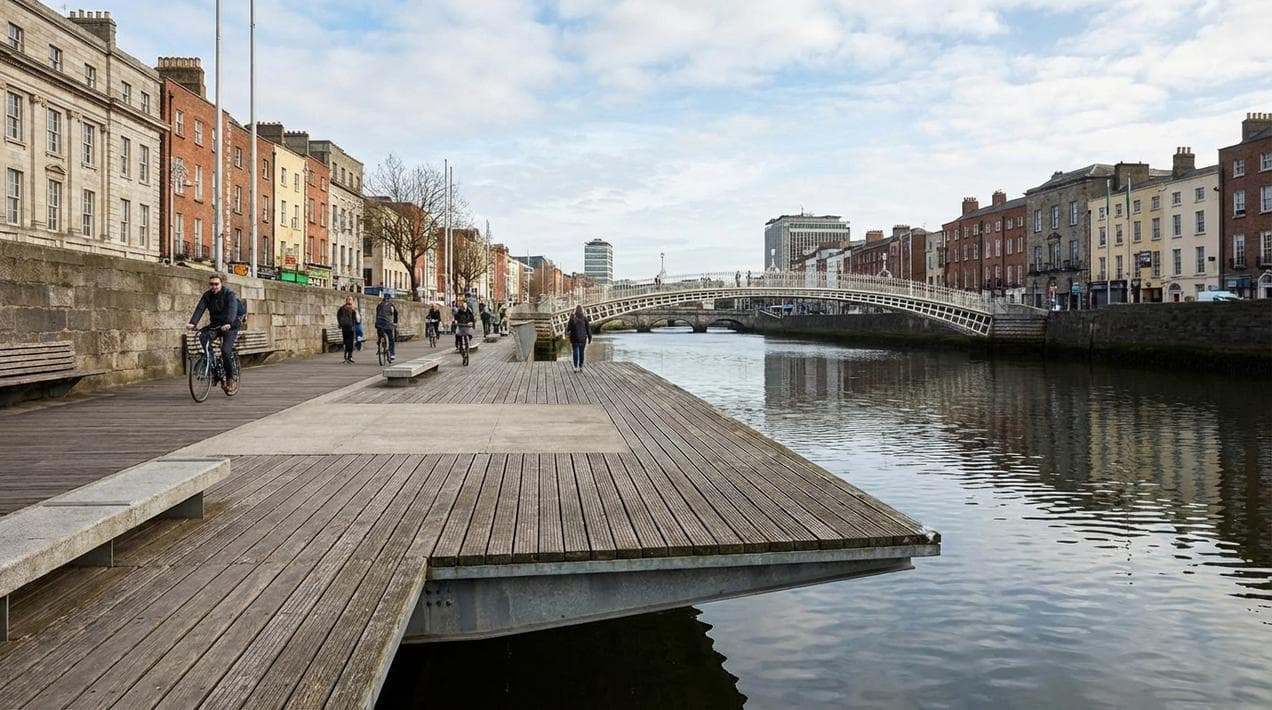
One of the nicest ways to see Dublin is to simply move along the river. The Liffey Boardwalk runs along the north bank of the river. It is a wooden/concrete walkway that hangs over the water.
- Why it works: It is completely flat and separates you from the busy road traffic.
- The View: You get a perfect view of the Ha'penny Bridge (which has steps, so admire it from below!) and the Custom House.
- The Connection: It connects O'Connell Street to the Four Courts, allowing you to traverse a huge chunk of the city without crossing heavy traffic.
5. How to Get Around: Taxis vs. Private Guides
Moving between these "Green Zones" is the trick. Public buses in Dublin are accessible (they have ramps), but they can be crowded, and sometimes the wheelchair bay is already occupied by a stroller.
The Taxi Situation: Dublin taxis are theoretically required to be wheelchair accessible, but the reality is hit-and-miss. Many are high vans that require a steep ramp deployment, and some drivers are reluctant to stop for short hops.
The Private Driver/Walking Guide Solution: This is where hiring a specialist pays off.
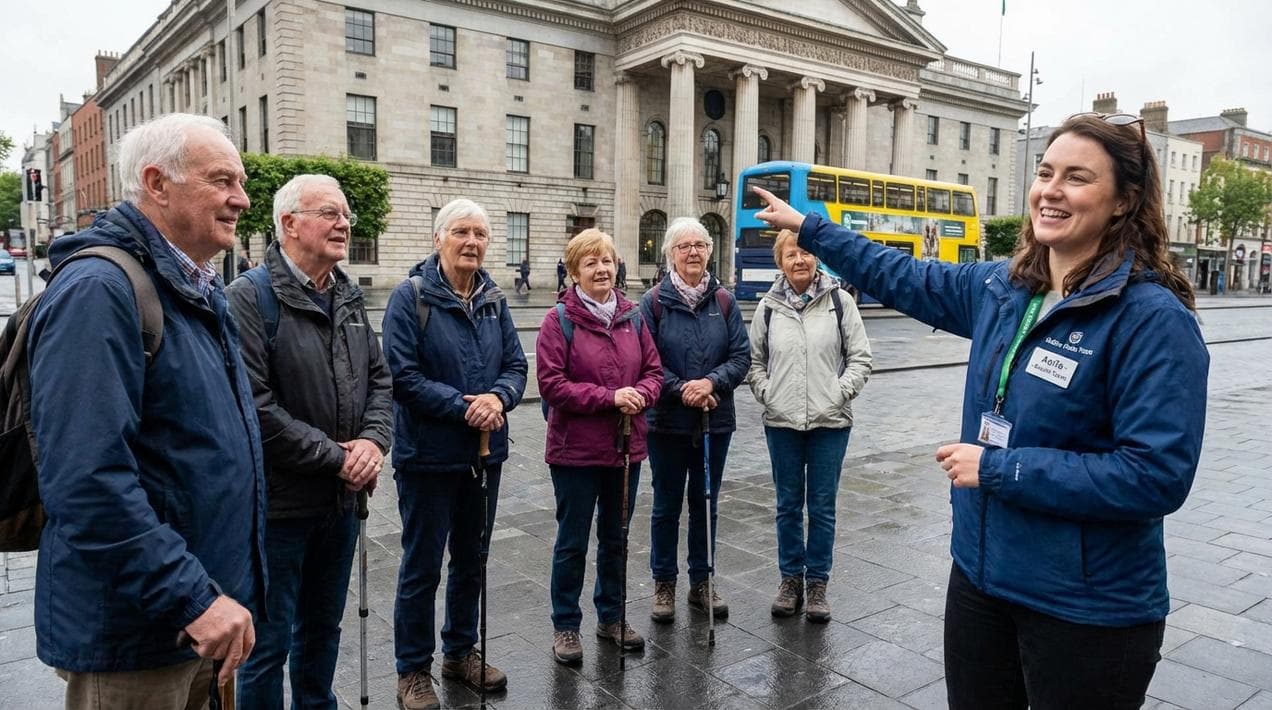
- A Walking Guide: A local guide (like Archie/Teddy Tours listed in our directory) knows exactly which curb cuts are blocked by construction works. They can tailor a 2-hour "Flat Dublin" walking tour that keeps you exclusively on smooth ground while still showing you the hidden history.

- A Driver Guide: If you want to see the Phoenix Park (which is massive—too big to walk) or go out to Howth Harbor, a private driver is essential. They can drop you right at the Papal Cross or the lighthouse, saving your energy for the views.
"My mother uses a walker, and the idea of hopping on and off buses was stressful. Our driver, Jarlath, just pulled up to the curb at every site. It made the whole city feel small and easy."
6. Accommodation: Finding the Right Room
We go into deep detail on this in our Accessible Hotels Guide, but for Dublin specifically, location is everything.
Do not stay in a converted Georgian Townhouse if you cannot manage stairs. These beautiful old buildings often have "protected status," meaning they are legally not allowed to install elevators or widen doors.
- Stick to Modern Hotels: Look for hotels built after 2010 in the Docklands or near St. Stephen's Green.
- Ask the Question: Don't just ask "Is it accessible?" Ask "Is there a step at the front door?" and "Is there a walk-in shower or a roll-in shower?"
Conclusion: Dublin is Open to Everyone
You do not need to have the stamina of a marathon runner to enjoy Dublin. The literary history, the warm welcome, and the creamy pints are available to everyone.
By sticking to the Grafton Street/St. Stephen's Green area, utilizing the Luas tram, and avoiding the cobblestones of Temple Bar, you can have a world-class city break. And remember, the best way to ensure a smooth trip is to have a local expert leading the way.
Find Your Dublin Expert
Don't guess which streets are flat. Hire a local walking guide or driver who knows every curb cut in the capital.
Table of Contents
Share this post
More from the Blog

Cork to Blarney Castle Day Trip: The Stone, the Gardens and What Else to See
Plan a Cork to Blarney Castle day trip. Kiss the stone, explore the Poison Garden, and add Cork city, Fota or Kinsale for a full day out.

Cork to Cobh Day Trip: Titanic, Colourful Houses and Harbour History
Plan a Cork to Cobh day trip by train, car or private driver. Explore Titanic history, St Colman's Cathedral, Spike Island and the best harbour views.

Cork to Killarney Day Trip: Lakes, Mountains and Muckross in One Day
A Cork to Killarney day trip is a longer escape into Kerry. Here's how to plan the drive, what to see in Killarney National Park, and why a private driver helps.