
What is Hurling? Experience the “Clash of the Ash” in Kilkenny
If you want to understand the true, passionate heart of Kilkenny culture, you have to talk about Hurling.
Often called the fastest field sport in the world, hurling is a 3,000-year-old Gaelic game that is a unique blend of lacrosse, field hockey, and pure adrenaline. The sheer speed of the game—and the incredible skill involved—is mesmerizing. Hearing the sound of the wooden sticks (hurls, usually made of ash wood) colliding is known as the "Clash of the Ash." This intense cultural experience is essential viewing on your tour of Ireland's Medieval Capital.
The Basics: Equipment and the Pitch
Before you can appreciate the game's speed, you must understand the equipment:
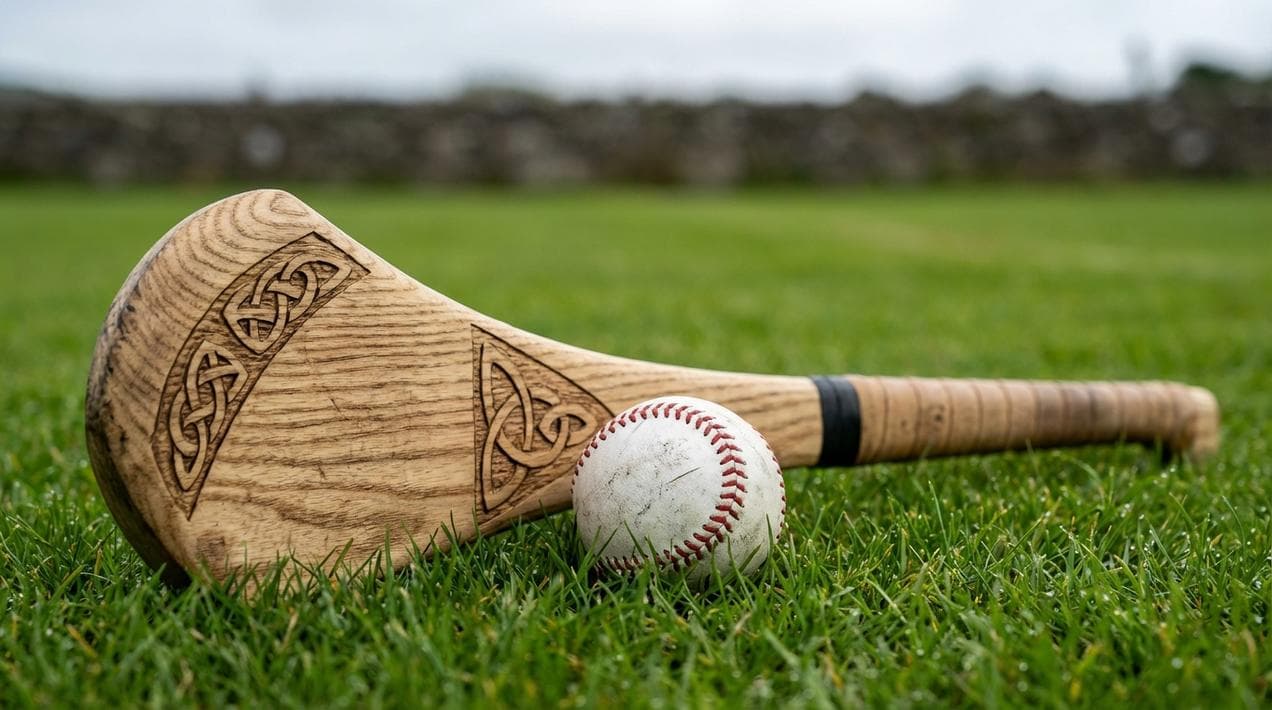
- The Hurl: This is the stick, typically made of ash wood, and often handmade. It has a flat, broad end called the bas (pronounced "boss") used for striking the ball.
- The Sliotar: This is the ball—slightly larger than a tennis ball, with thick stitching. It can travel over 90 miles per hour when struck!
- The Field: Hurling is played on a pitch similar in size to a soccer field, but the goalposts are different. The posts resemble a soccer goal with an added crossbar and uprights, creating an "H" shape.
Every player is required to wear a helmet with a faceguard, a rule implemented only in recent decades due to the intense danger of the flying sliotar and swinging sticks.

Understanding the Rules (How to Score)
The complexity of the rules is part of what makes the game exciting, but also confusing for newcomers. Here is the simplified breakdown of the objectives:
- Moving the Ball: Players can carry the sliotar on the bas of the stick for a few steps, but they cannot catch it and run with it directly (like in American football). They must either bounce it, strike it, or place it on the stick.
- Scoring: There are two ways to score:
- Points (1 Point): Kicking or hitting the sliotar over the crossbar and between the two uprights.
- Goals (3 Points): Kicking or hitting the sliotar under the crossbar and into the net (guarded by a goalkeeper).
Scores are displayed as two numbers (e.g., 2-15). The first number is goals (worth three points), and the second is points. The true score is calculated by (Goals x 3) + Points.
Why Kilkenny is the Hurling Capital

Kilkenny is often called the spiritual home of the sport. The local team is nicknamed "The Cats," and their distinctive black and amber jerseys are worn with fierce pride throughout the county.
Kilkenny GAA (Gaelic Athletic Association) is the most successful Hurling county in history, having won the prestigious All-Ireland Senior Hurling Championship more than any other county. This success has cemented a level of intense, almost religious fervor for the game in the city. The entire county stops when The Cats play in the national finals in Dublin every September.
The primary ground is Nowlan Park, located just north of the city center. On a match day, the atmosphere here is electric, providing an unparalleled look at deep Irish cultural identity.
The Game Day Experience
Attending a match is a full sensory experience that transcends sport. The crowd noise, the constant shouting, and the incredible physicality of the players make it a truly thrilling event.
If you are visiting during the main season (typically May through September), a weekend match offers deep immersion into local life. The tension builds throughout the day and culminates when the crowd rises as the team takes the field. Win or lose, the excitement spills over into the pubs afterward, where the match will be endlessly analyzed. For the best post-match pubs, see our guide on Smithwick’s and Kilkenny's Pub Culture
Why a Local Guide is Your Best Translator

Trying to understand the rules and appreciate the cultural weight of Hurling from a guidebook alone is almost impossible.
A local guide acts as your cultural translator and curator for the game:
- Rule Translation: They can explain the complex nuances of carrying, striking, and fouls in real-time while you watch, turning chaos into understanding.
- Context and Passion: They know the rivalries, the local heroes, and the emotional history, enhancing the stakes of the game exponentially.
- Logistics: They can help source tickets, explain the best way to get to Nowlan Park, or ensure you are in the right local pub to catch a televised match with the proper, intense atmosphere.
- The Right Gear: Some guides offer fun, interactive experiences where they teach you the basics of holding a hurl, adding a fantastic hands-on element to your cultural education.
See the Real Kilkenny with a Local Expert
Kilkenny is famous for its "Medieval Mile," but the best stories aren’t written on the plaques. Don’t just look at the old stones—let a local guide bring them to life.
Whether you want to find the best pint of Smithwick’s, hear the true ghost stories of the slips, or just need someone to navigate the winding streets, we have the right person for you.
Table of Contents
Share this post
More from the Blog

Cork to Blarney Castle Day Trip: The Stone, the Gardens and What Else to See
Plan a Cork to Blarney Castle day trip. Kiss the stone, explore the Poison Garden, and add Cork city, Fota or Kinsale for a full day out.

Cork to Cobh Day Trip: Titanic, Colourful Houses and Harbour History
Plan a Cork to Cobh day trip by train, car or private driver. Explore Titanic history, St Colman's Cathedral, Spike Island and the best harbour views.

Cork to Killarney Day Trip: Lakes, Mountains and Muckross in One Day
A Cork to Killarney day trip is a longer escape into Kerry. Here's how to plan the drive, what to see in Killarney National Park, and why a private driver helps.