
Golf in Ireland: Best Courses, Links & Golfing Vacations
There's a moment on an Irish links course when you understand why golfers make pilgrimages here. The wind comes in hard off the Atlantic, carrying salt and history. Your ball hangs in the air, buffeted by gusts that have tested golfers for over a century. Below, the fairway rolls naturally over dunes that formed millennia ago. And somewhere ahead, between you and the flag, lies a challenge that has humbled champions. This is golf in Ireland—where the game returns to its roots, and every round writes a new story.
Ireland is home to some of the world's finest golf courses, with over 400 courses packed into an island the size of Indiana. The concentration of world-class links golf is unmatched anywhere on earth. Within a few hours' drive, you can play courses ranked among the planet's best, each offering a different character, challenge, and landscape.
What distinguishes Irish golf is the links tradition. Links courses—built on coastal dunes rather than inland parkland—represent golf in its purest form. The terrain dictates the design, not the other way around. You play the ball as it lies, navigate natural contours, and accept that the wind is as much part of the course as any bunker. This is how golf was played for centuries before modern equipment and irrigation changed the game.
But Ireland isn't just for low-handicap golfers chasing championship courses. The country offers exceptional golf for every ability level, from beginners taking their first swings to families wanting activity holidays to society groups seeking camaraderie. The famous Irish hospitality extends to the golf course—expect warm welcomes, great food, and the kind of post-round atmosphere that makes you want to linger.
This guide covers Ireland's best golf courses, what to expect from Irish links golf, how to plan your golf vacation, and why a trip here might just change how you think about the game.
(This guide is part of our master hub: Unleash Your Wild Side: The Complete Guide to Adventure & Outdoor Activities in Ireland. For other outdoor adventures, explore our guides to hiking the Wicklow Way or fishing in Ireland.)
Getting Started: Golf in Ireland for Beginners
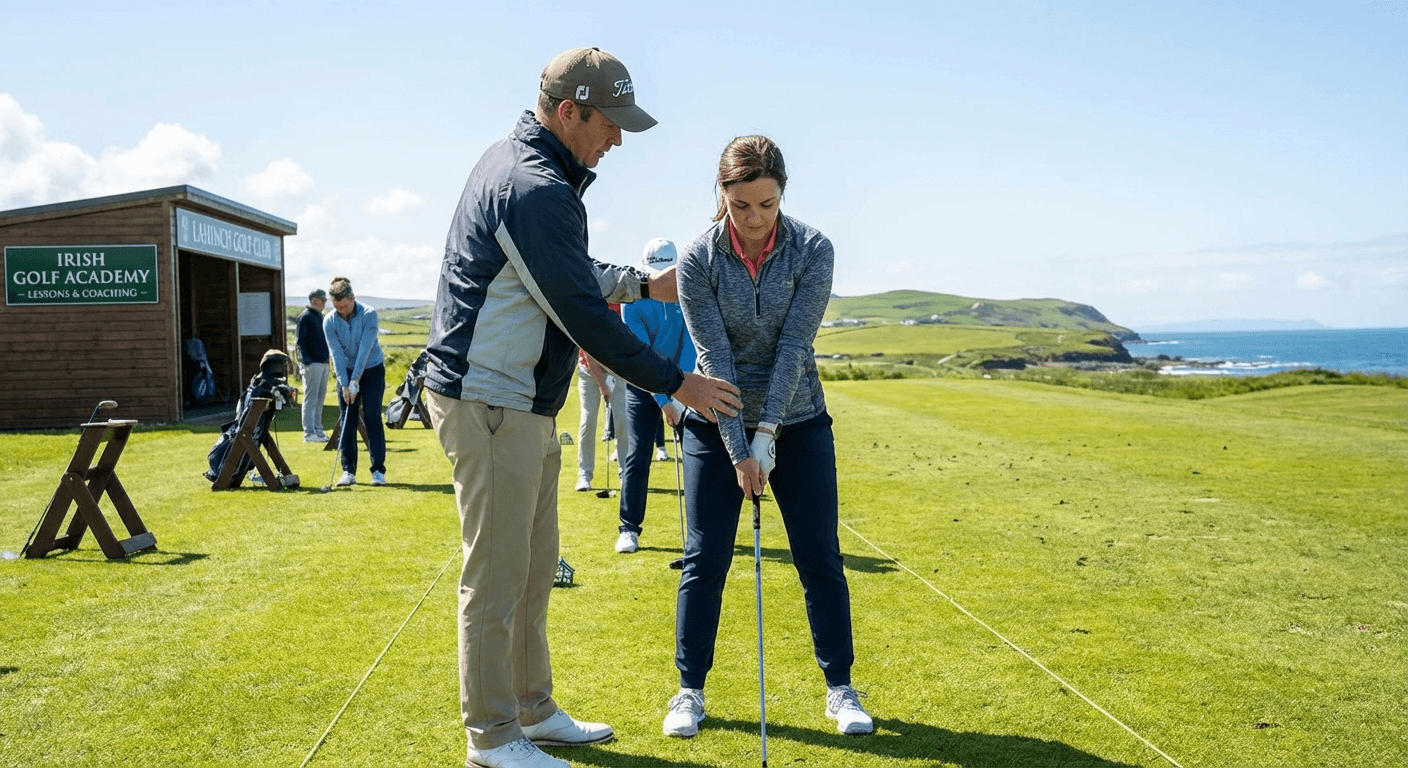
Never played golf? Ireland is a surprisingly good place to learn. The country's golf culture welcomes newcomers, and many courses offer excellent teaching facilities alongside their championship layouts.
Why Learn in Ireland?
Irish golf professionals have a reputation for being particularly skilled with beginners. Perhaps it's the country's teaching tradition, or simply that Irish instructors remember what it felt like to be intimidated by the game. You'll find patient, encouraging coaching that focuses on enjoyment as much as technique.
The variety of courses means you can start gently on shorter, forgiving layouts before attempting more challenging venues. Many "academy courses" or "short courses" offer ideal learning environments without the pressure of holding up play on championship tracks.
Types of Golf Courses
Championship Links: The famous courses you've heard of—Lahinch, Ballybunion, Royal County Down. Long, challenging, often exposed to wind and weather. These are tests of skill and strategy.
Parkland Courses: Inland courses built through woodland and farmland. Generally more sheltered than links, with manicured fairways and greens. Good options for beginners or when the weather turns wild.
Short Courses & Par-3s: Shorter layouts perfect for beginners, families, or quick rounds. Many championship venues have companion short courses ideal for learning.
What to Expect from Your First Irish Golf Experience
Most beginners start with a lesson or two before attempting a full round. A typical introduction includes:
- Grip and stance: The fundamentals that everything else builds on
- Short game basics: Putting and chipping—where beginners can compete with anyone
- Swing fundamentals: Making contact and getting the ball airborne
- Course etiquette: How to play without slowing others or damaging the course
- Equipment basics: Which clubs to use when
Many Irish resorts offer "learn to play" packages combining instruction with rounds on appropriate courses.
Ireland's Best Golf Courses
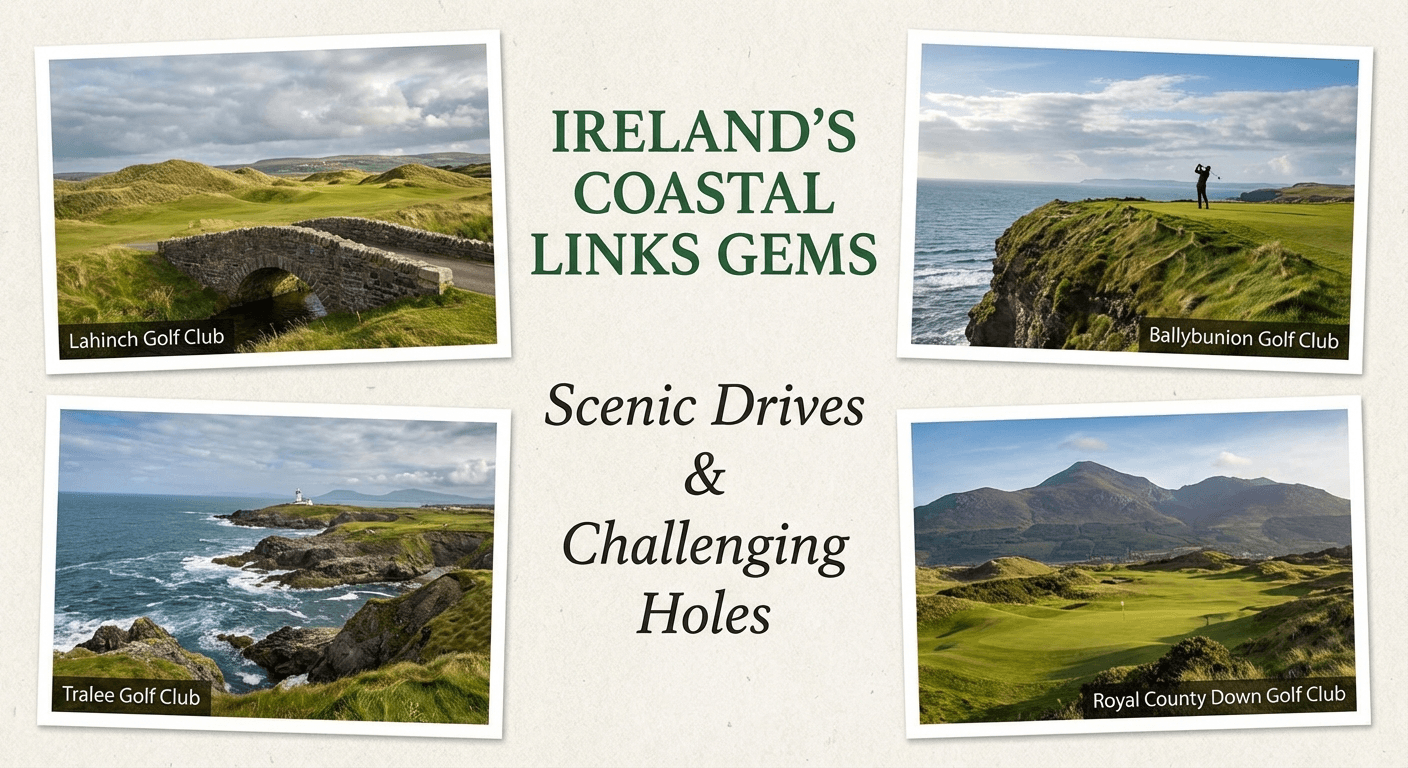
Ireland's golf courses regularly feature in world rankings. These are the essential venues that define Irish golf.
1. County Kerry: Southwest Golfing Paradise
Kerry combines spectacular championship courses with the county's renowned hospitality and scenery.

Tralee Golf Club: Arnold Palmer-designed links that ranks among the world's best. The back nine plays along cliffs above the Atlantic, offering holes as dramatic as any in golf. Not for the faint-hearted, but unforgettable.
Ballybunion (Old Course): Often ranked in the world's top 20 courses. This pure links layout weaves through massive dunes, requiring strategic thinking and shot-making. Tom Watson called it "one of the best courses in the world."
Waterville: Remote, beautiful, and challenging. Waterville sits on the Ring of Kerry, offering 18 holes of pure links golf surrounded by mountains and ocean. Tiger Woods practiced here before the 2000 Open Championship.
Best for: Serious golfers seeking world-class challenges
Find experienced tour guides in Kerry for your golf vacation.
2. County Clare: Lahinch & the West
Clare is synonymous with Lahinch, one of Ireland's most beloved courses.
Lahinch Golf Club: "The St Andrews of Ireland" offers a classic links experience with blind shots, huge dunes, and the famous "Klondyke" hole. The course has evolved since 1892 but retains its essential character. Golfers either love it passionately or find it perplexing—there's no middle ground.
Trump International Doonbeg: Greg Norman-designed links on a spectacular stretch of Clare coast. The course generates debate but there's no denying the quality of the land and conditioning.
Dromoland Castle: Parkland golf beside a magnificent castle hotel. Not links golf, but a luxurious experience combining golf with Irish heritage.
Best for: Traditionalists who appreciate classic design, those wanting luxury golf resorts
Find experienced tour guides in Clare for your trip.
3. Northern Ireland: Royal County Down & Royal Portrush
Northern Ireland's courses have hosted major championships and regularly top world rankings.
Royal County Down: Frequently ranked the world's best links course. The dunes are massive, the views are breathtaking, and the golf is as demanding as it gets. The walk alone justifies the green fee.
Royal Portrush (Dunluce Course): Host of the 2019 Open Championship, returning again in 2025. This championship links combines beauty with brutality. The par-3 16th, played over a chasm, is one of golf's great holes.
Castlerock: Less famous but equally compelling. A traditional links with character, views, and excellent value. Often included on Northern Ireland golf tours.
Best for: Golfers wanting to play the world's best, Open Championship enthusiasts
4. County Dublin: Golf Near the Capital
Dublin offers excellent golf within easy reach of the city and airport.
Portmarnock: Classic links beside the Irish Sea. A championship test that has hosted multiple Irish Opens. Less dramatic than southwestern courses but pure, strategic golf.
The Island: Just north of Dublin, this remote-feeling links offers a wild, natural experience. Recently renovated, it's gaining recognition as one of Ireland's hidden gems.
European Club: Pat Ruddy's dramatic creation south of Dublin. Controversial in places but undeniably exciting, with several holes perched high above the sea.
Best for: Visitors with limited time, those basing themselves in Dublin
Essential Golf Gear for Ireland
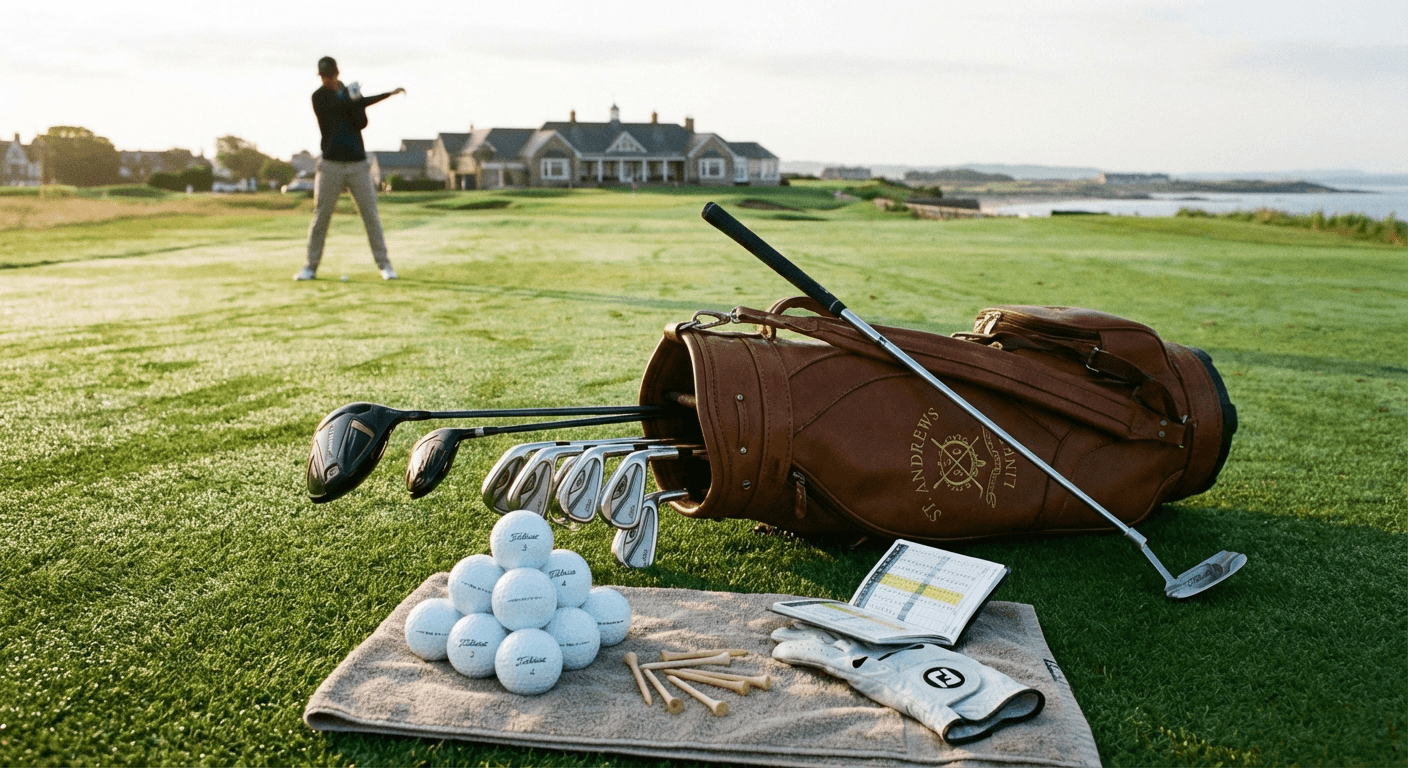
Irish golf demands preparation. The weather changes quickly, and links courses require specific equipment considerations.
What to Bring
Waterproofs: Essential. Even on sunny days, Irish weather can turn. Pack a quality waterproof jacket and trousers. Many Irish golfers carry them on every round.
Layers: Temperatures vary dramatically. A base layer, mid-layer (fleece or wool), and waterproof outer layer lets you adapt.
Windproof gear: Links golf means wind. Windproof jackets and vests help maintain swing rhythm.
Sturdy shoes: Links courses are walking courses. Comfortable, waterproof golf shoes with good grip are essential. Some courses don't allow carts, so you'll walk 18 holes daily.
Extra gloves: Wet weather destroys grips and gloves. Bring spares.
Sun protection: When the sun appears, it can be fierce. Sunscreen and sunglasses are essential.
Club Rental
Most courses offer rental clubs, but serious golfers should bring their own. If renting, book in advance during peak season. Rental sets cost €30-50 per round.
Green Fees
Championship courses: €150-300+ per round (some reaching €400+ during peak) Resort courses: €100-200 Regional courses: €50-100 Short courses: €20-40
Many resorts offer multi-round packages that reduce per-round costs.
Golf for Families
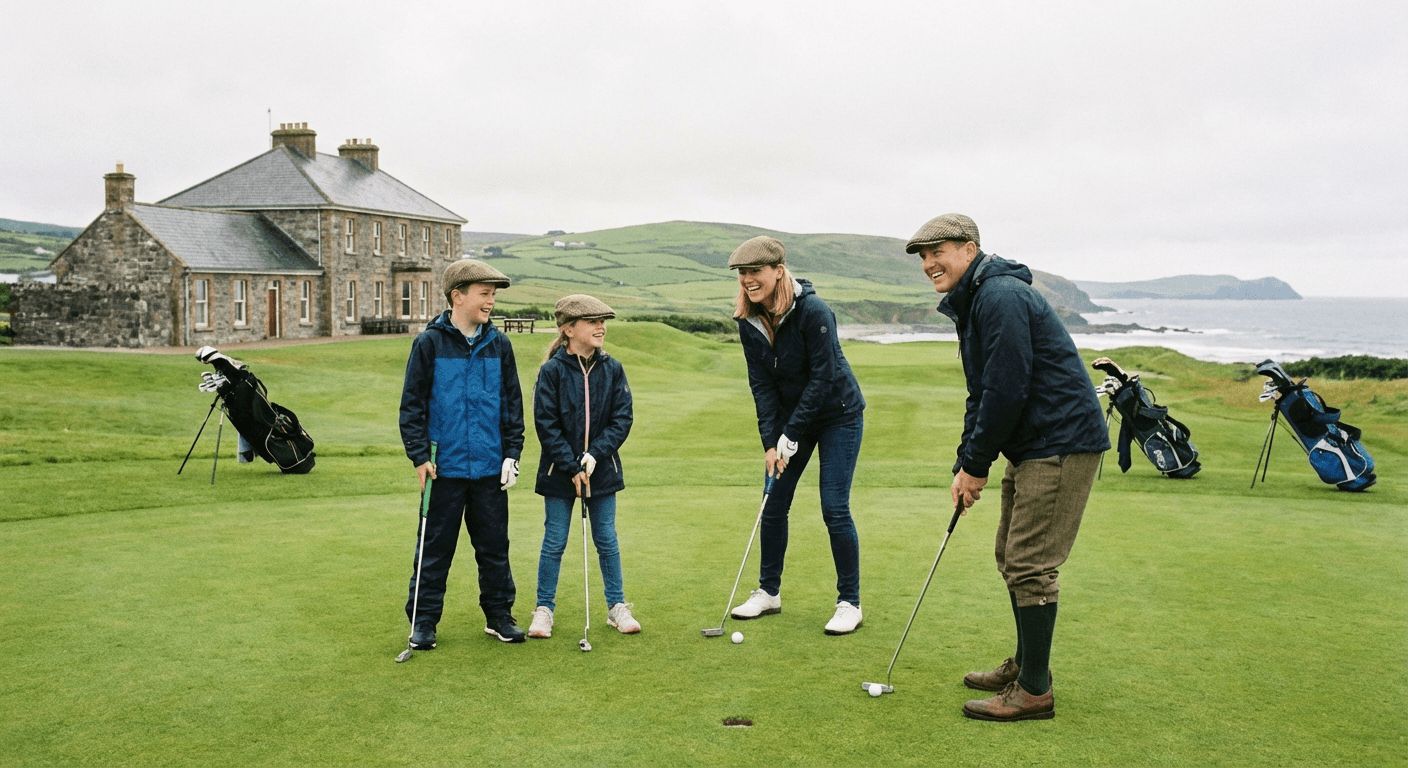
Golf is increasingly family-friendly in Ireland, with many resorts catering to multi-generational groups.
Family Golf Options
Short courses: Most championship venues have companion short courses or par-3s perfect for children and beginners. These are affordable, quick to play, and less intimidating.
Family tees: Many courses now offer family-friendly tee boxes that shorten holes and make the game enjoyable for all abilities.
Golf academies: Junior programs teach children the fundamentals while keeping things fun. Many Irish pros learned at these academies.
Family-Friendly Resorts
Dromoland Castle: Combines serious golf with castle accommodation and family activities.
Trump Doonbeg: Luxury resort with golf, spa, and beach access—activities for non-golfers.
Waterville: Remote but welcoming, with accommodation suitable for families.
Non-Golf Activities
The best Irish golf trips combine golf with other experiences:
- Sightseeing: Castles, cliffs, and ancient sites near every course
- Food and drink: Ireland's culinary scene has exploded; golf resorts have excellent dining
- Spa treatments: For golfers and non-golfers alike
- Walking and hiking: Ireland's trails are world-class
The 19th Hole: Irish Golf Culture
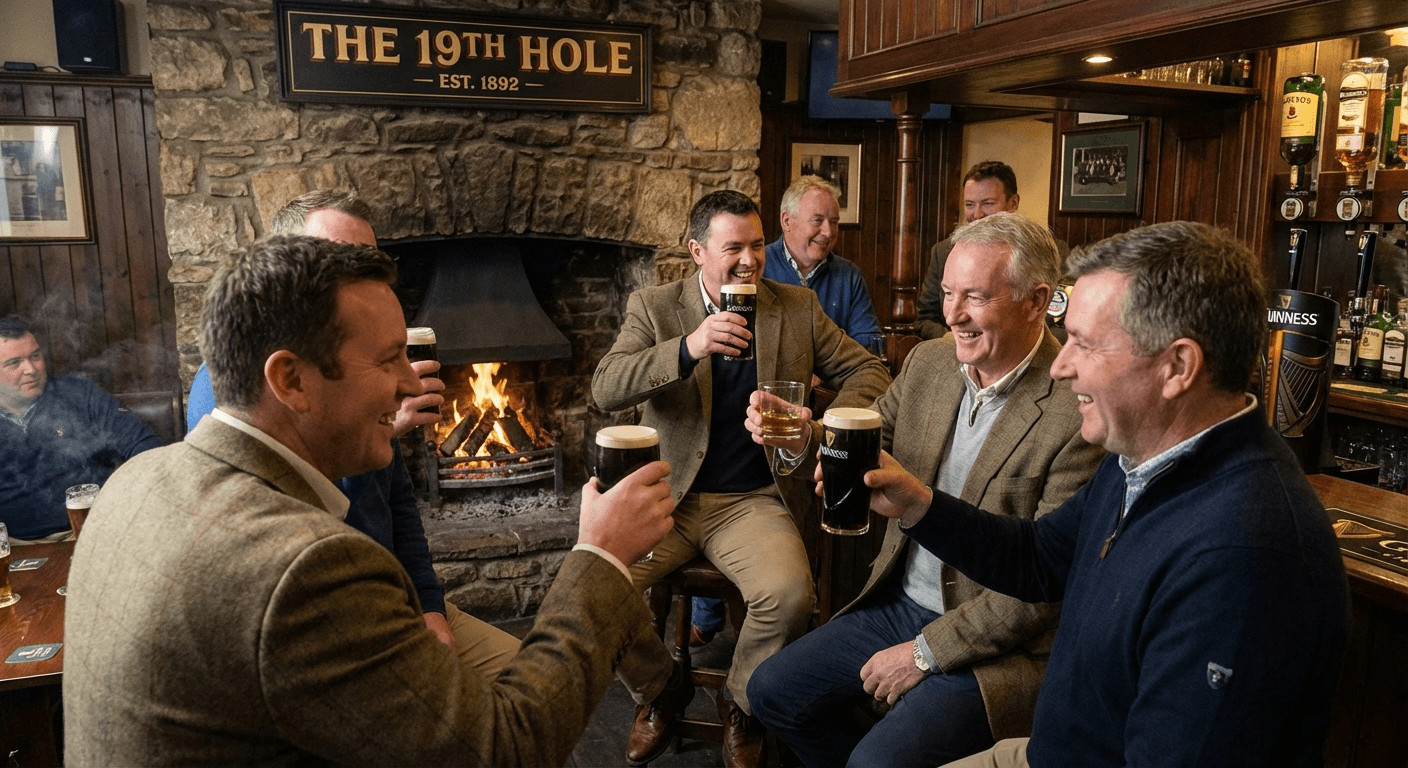
Irish golf extends well beyond the 18th green. The "19th hole"—the post-round bar—is where rounds are analyzed, shots are celebrated or mourned, and friendships are cemented.

Clubhouse Culture
Irish golf clubhouses range from historic buildings with turf fires and wood-paneled bars to modern facilities with panoramic views. What they share is warmth and hospitality.
Expect:
- Quality food: Clubhouse dining has improved dramatically; many offer excellent meals
- Local beverages: Irish whiskey, craft beers, and of course Guinness
- Conversation: Irish golfers are famously chatty; don't be surprised if strangers ask about your round
- Stories: Every Irish clubhouse contains characters with decades of golf stories
Golf Society Culture
Irish "golf societies" (clubs of friends who play together regularly) are institutions. Visiting golfers can sometimes join society days, experiencing authentic Irish golf camaraderie. Ask at your hotel or course about society day availability.
Planning Your Irish Golf Trip
When to Go
April-May: Courses are in excellent condition, days are lengthening, and prices are lower than peak summer. Weather can be mixed but playable.
June-August: Peak season with best weather (relatively), longest days, and highest prices. Book courses and accommodation months ahead.
September-October: Many locals' favorite time. Courses still in great shape, crowds thinning, autumn colors emerging. Excellent golf weather.
November-March: Winter golf is possible and affordable, though courses may be wet and days short. Some links courses close for maintenance.
Planning Your Itinerary
Southwest (Kerry/Cork/Clare): The classic golf trip. Ballybunion, Lahinch, Tralee, Waterville within easy driving distance. Allow 4-7 days.
Northern Ireland: Royal County Down and Royal Portrush can be combined with Dublin-area courses. Allow 3-5 days.
All-Ireland: The ultimate trip combining both regions with Dublin courses. Allow 10-14 days.
Practical Tips
- Caddies: Recommended for championship courses. They know lines, distances, and local knowledge. Cost €40-60 plus tip.
- Buggies/Carts: Many links courses don't allow them or restrict their use. Be prepared to walk.
- Tee times: Book well ahead for famous courses, especially in summer
- Handicap certificates: Some championship courses require proof of ability
From First Tee to Final Putt
Golf in Ireland offers something increasingly rare in modern life—a genuine test of skill against nature, played on land that has remained essentially unchanged for centuries. You walk the same fairways as legends, face the same wind and rain, and experience the same satisfaction when a well-played shot finds its target.
Whether you're a scratch golfer chasing your next hole-in-one or a beginner hoping to make contact, Ireland has courses that will challenge, delight, and surprise you. The combination of world-class golf, spectacular scenery, and legendary hospitality creates golf trips that become lifelong memories.
The links are waiting. The wind is blowing. And somewhere in Ireland—whether on the dunes of Ballybunion, the cliffs of Tralee, or the heather of Royal County Down—your perfect golf shot is waiting to be struck.
Bring your clubs. Bring your courage. And prepare to fall in love with golf all over again.
Table of Contents
Share this post
More from the Blog

Cork to Blarney Castle Day Trip: The Stone, the Gardens and What Else to See
Plan a Cork to Blarney Castle day trip. Kiss the stone, explore the Poison Garden, and add Cork city, Fota or Kinsale for a full day out.

Cork to Cobh Day Trip: Titanic, Colourful Houses and Harbour History
Plan a Cork to Cobh day trip by train, car or private driver. Explore Titanic history, St Colman's Cathedral, Spike Island and the best harbour views.

Cork to Killarney Day Trip: Lakes, Mountains and Muckross in One Day
A Cork to Killarney day trip is a longer escape into Kerry. Here's how to plan the drive, what to see in Killarney National Park, and why a private driver helps.