
Tracing Your Roots in Kilkenny: A Guide to Rothe House & Finding Your Ancestors
There are tourists who come to Ireland to see the cliffs and drink the stout. And then there are the "Ancestry Hunters."
For millions of Americans, a trip to Ireland is not just a vacation; it is a pilgrimage. It is an attempt to close a circle that began when a great-grandparent stepped onto a boat during the Famine or the recession years that followed.
If your family tree has roots in the Southeast of Ireland, all roads eventually lead to Kilkenny. Known for keeping impeccable records and hosting one of the country's premier genealogy centers, Kilkenny is the best place to start digging into the past.
The Kilkenny Names: Are You One of "The Tribes"?
Before you even book your plane ticket, check your surname. While people moved around, certain names are deeply indigenous to County Kilkenny.
If your last name is Brennan, Walsh, Butler, Tobin, Cody, Comerford, Phelan, or Dunphy, the odds are overwhelming that your story begins in the soil of this county. The Brennans, for example, were the ancient chieftains of North Kilkenny (Castlecomer area), while the Shefflins and Walshes dominated the south.
The Hub: Rothe House & Garden
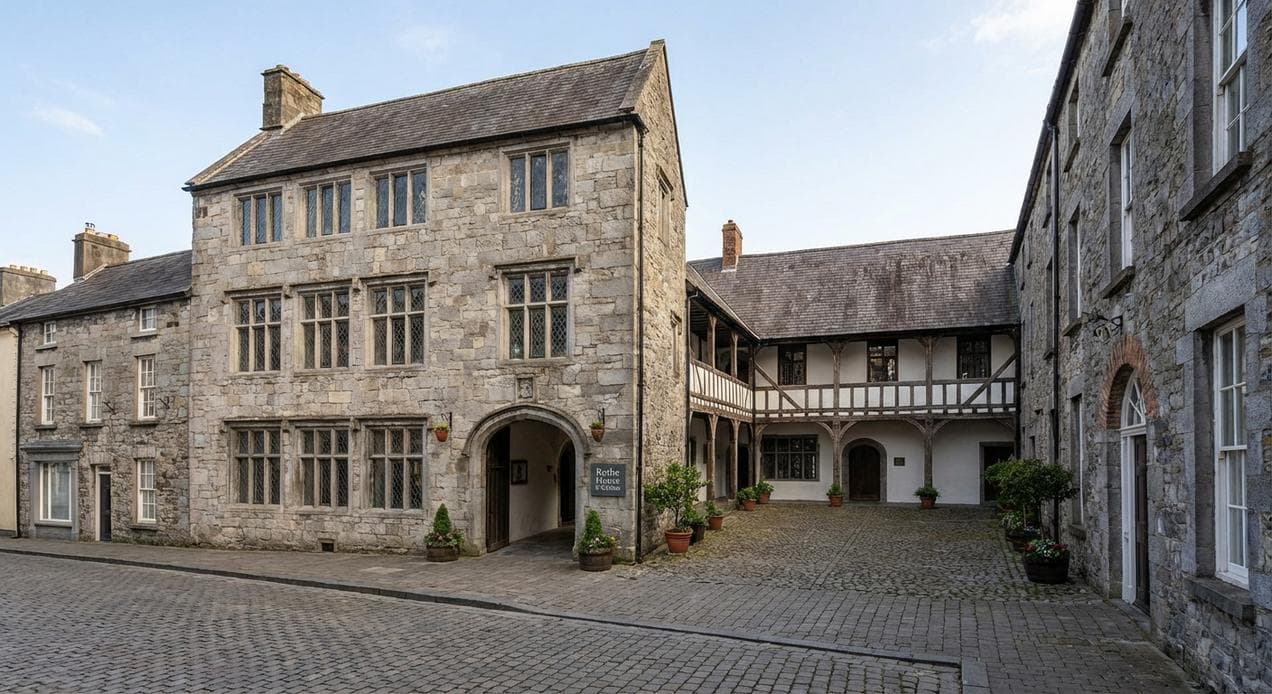
Your physical starting point for research is Rothe House, located right in the center of the Medieval Mile.
Even without the ancestry connection, Rothe House is a marvel. Built between 1594 and 1610 by the wealthy merchant John Rothe, it is the only remaining example of a 17th-century merchant’s townhouse in Ireland. It is actually three houses linked by cobbled courtyards, restored to show how the wealthy lived 400 years ago.

The Genealogy Centre
However, for you, the treasure is not the furniture; it is the Kilkenny Genealogy Centre housed within the complex.
This center holds the digitized parish records for the entire county. This is crucial because of "The Fire."
The "Brick Wall" (The 1922 Fire)
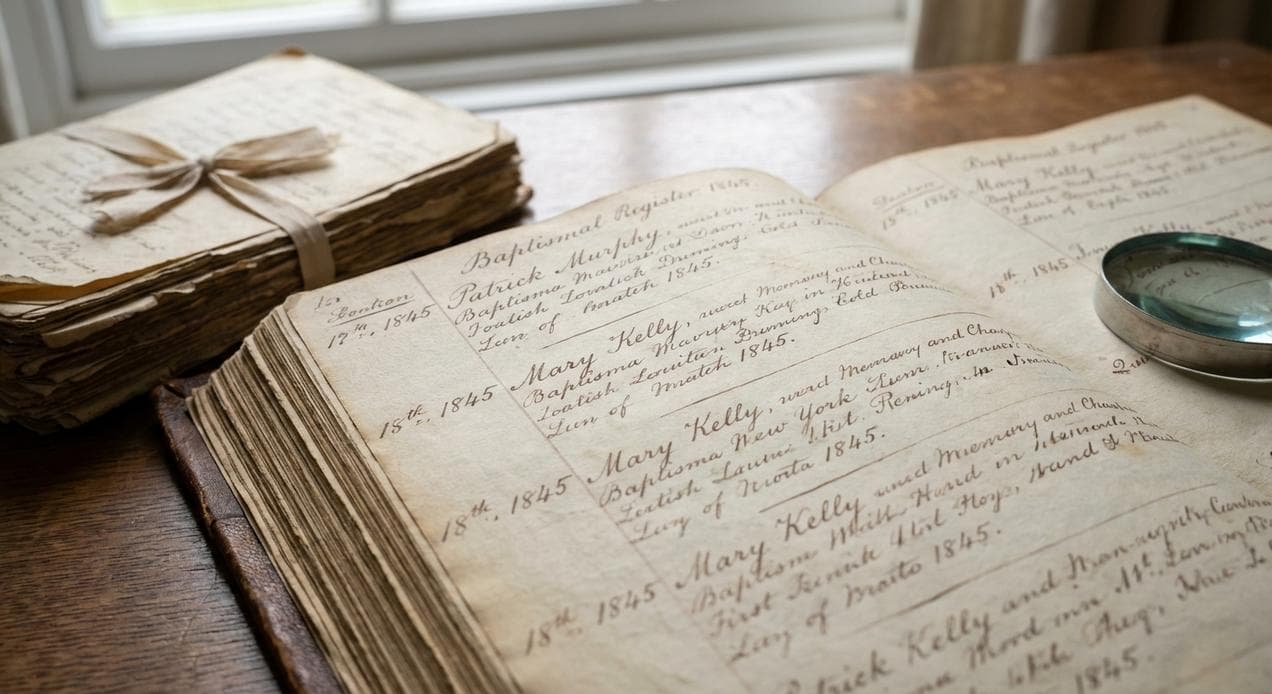
Every American researcher eventually hits a "brick wall." Often, this is due to the Irish Civil War. In 1922, the Public Record Office in Dublin was destroyed by fire, and centuries of census returns and wills were lost forever.
This is why centers like Rothe House are vital. They hold the local church records (baptisms, marriages, and burials) that were never sent to Dublin. If your ancestor was baptized in a small country church in Kilkenny in 1845, the record exists here, even if the national archives are empty.
How to Prepare Before You Travel
Do not show up at Rothe House empty-handed and ask to find "Mary Murphy." You will be disappointed. To make the most of your time (and your guide’s expertise), you need to do homework in the US first:
- Talk to the Elders: Interview every living relative. The tiny details matter. "I think they came from near a coal mine" points you to Castlecomer. "They mentioned a river" might mean Graignamanagh.
- Find the "Townland": This is the golden key. Ireland is divided into counties, parishes, and townlands. A townland can be as small as a few fields. If you can find the townland name on a ship manifest or US death certificate, a local guide can take you to the exact field your family worked.
- Book an Appointment: The genealogists at Rothe House are experts, but they are busy. You can commission a "Family History Report" months before you arrive. This means the research is done before you land, and you can spend your vacation visiting the sites rather than looking at microfilm.
The Emotional Payoff: Visiting the Homestead
This is where the standard bus tour fails and the private driver-guide becomes the most valuable asset you will ever hire.
Once you have identified a parish or a townland (e.g., "Ballyragget"), you need to go there. These locations are often miles outside Kilkenny City, down unmapped "boreens" (cow lanes) that Google Maps barely registers.
The Graveyard Search
A local guide will take you to the old parish graveyards. This experience is often profound. You may find yourself scraping moss off a tilted headstone, only to reveal your own surname and a date from the 1800s.
- Note: Irish graveyards can be overgrown and difficult to navigate. A local guide knows which ones are accessible and—crucially—where the keys to the old locked gates are kept (usually by a neighbor down the road).
Meeting the Locals
Meet a Local Guide
Hi Folks,
This is the "magic" that cannot be bought. If you visit a rural village like Freshford or Gowran with a local guide, they will often walk you into the local pub and ask, "Does anyone here know where the old O'Shea farm was?" In rural Ireland, memory is long. It is not uncommon for an old farmer at the bar to say, "Aye, the O'Sheas lived in the cottage by the bridge, it's a ruin now, but I can show you."
Practical Tips for the Ancestry Traveler
- Bring Copies: Bring physical copies of your documents. Batteries die; paper does not.
- The surname spelling: Don't get hung up on spelling. O'Keefe, Keefe, and Keeffe are the same family. Illiteracy was common in the 1800s, and names were written down phonetically by priests or immigration officers.
- Respect the Land: If your ancestral home is now a ruin on someone's active farm, never cross the gate without permission. A local driver-guide is expert at negotiating this permission for you.
Connect with Your Past
Tracing your roots is not just about reading a name on a paper; it is about standing in the field where they stood. But finding that field requires local knowledge that GPS cannot provide.
Our directory includes specialized genealogy guides and driver-guides who know the land, the graveyards, and the local parishes intimately.
Table of Contents
Share this post
More from the Blog

Cork to Blarney Castle Day Trip: The Stone, the Gardens and What Else to See
Plan a Cork to Blarney Castle day trip. Kiss the stone, explore the Poison Garden, and add Cork city, Fota or Kinsale for a full day out.

Cork to Cobh Day Trip: Titanic, Colourful Houses and Harbour History
Plan a Cork to Cobh day trip by train, car or private driver. Explore Titanic history, St Colman's Cathedral, Spike Island and the best harbour views.

Cork to Killarney Day Trip: Lakes, Mountains and Muckross in One Day
A Cork to Killarney day trip is a longer escape into Kerry. Here's how to plan the drive, what to see in Killarney National Park, and why a private driver helps.