
Sea Kayaking in Ireland: Best Locations, Tours & What to Expect
There's something magical about gliding silently through crystal-clear water, surrounded by towering sea cliffs, hidden caves, and the calls of seabirds echoing off ancient rock faces. Sea kayaking in Ireland offers an intimate connection with one of Europe's most dramatic coastlines—a perspective you simply can't get from land.
Ireland's rugged shores, with over 3,000 kilometres of Wild Atlantic Way coastline, create an adventure playground for paddlers of all skill levels. From tranquil sheltered bays perfect for beginners to challenging open-water routes for experienced kayakers, the Emerald Isle delivers unforgettable experiences on the water.
Whether you're drawn to the mystery of sea caves, the thrill of spotting dolphins and seals, or simply the meditative rhythm of paddling through stunning scenery, Ireland's coastline promises memories that will last a lifetime.
This guide will take you through everything you need to know: where to go, when to visit, what to expect from guided tours, and how to choose the perfect sea kayaking adventure for your skill level and interests.
(This guide is part of our master hub: Unleash Your Wild Side: The Complete Guide to Adventure & Outdoor Activities in Ireland. If you prefer land-based adventures, check out our guide to hiking the Wicklow Way.)
Why Ireland is a Sea Kayaker's Paradise
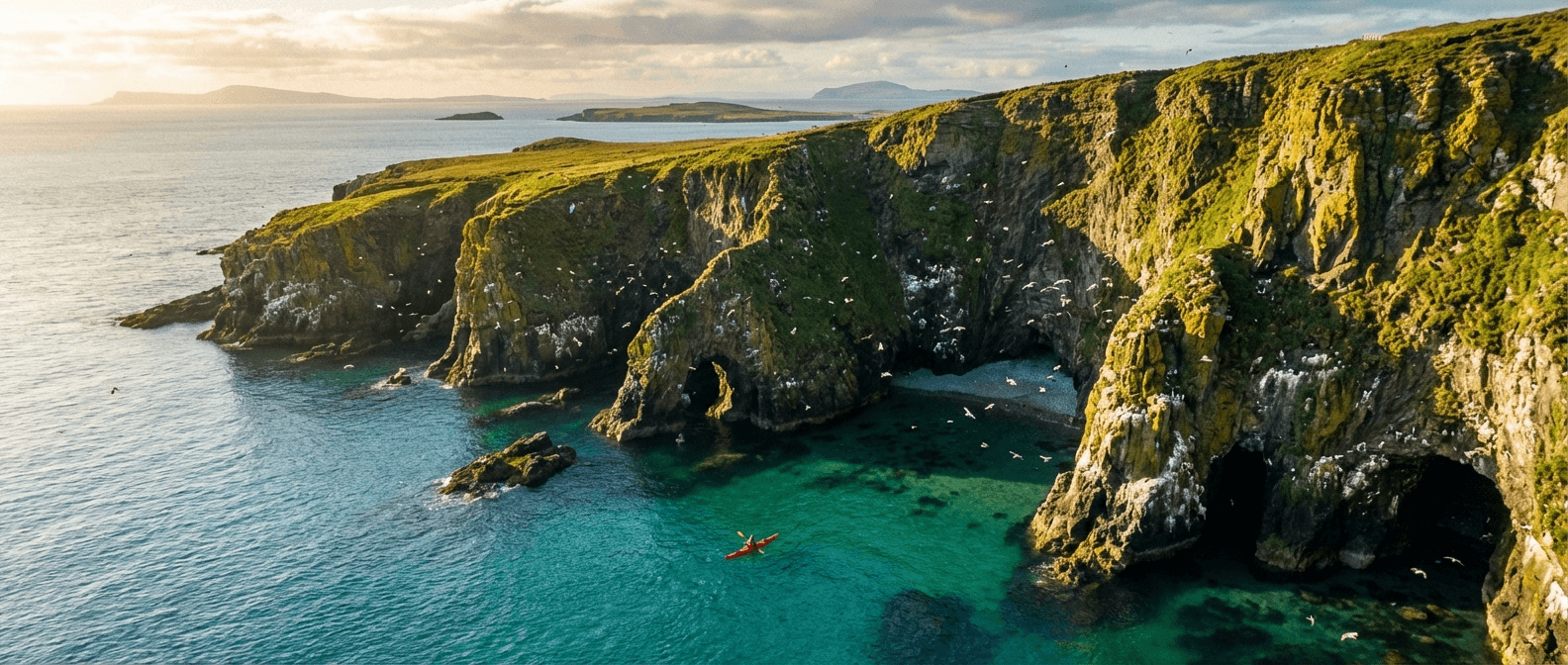
Ireland's coastline is a masterclass in natural drama. Millions of years of Atlantic storms have sculpted towering cliffs, carved intricate sea caves, and created sheltered inlets that offer refuge and beauty in equal measure.
Unparalleled Coastal Diversity
From the gentle shores of County Wicklow to the wild, exposed headlands of Donegal, Ireland offers an incredible range of paddling environments. You can explore calm harbours in the morning and challenge yourself with open-water passages in the afternoon—all within a short drive.
The Atlantic coastline is particularly special. The Wild Atlantic Way isn't just a scenic drive—it's a paddler's dream route, with countless launch points offering access to some of the most spectacular seascapes on Earth.
Wildlife Encounters You Won't Forget
One of the greatest joys of sea kayaking in Ireland is the wildlife. Seals are curious creatures, and it's not uncommon for them to pop their heads up beside your kayak, observing you with big, intelligent eyes. Dolphins occasionally make appearances, especially along the west coast, and if you're incredibly lucky, you might even spot a basking shark or a pod of pilot whales.
Birdlife is equally impressive. Puffins, razorbills, guillemots, and gannets nest on sea cliffs throughout the summer months, and watching them dive for fish while you float quietly below is a privilege few experiences can match.
Rich Maritime History
Ireland's coast is steeped in history. Ruined castles perch on headlands, ancient monastic sites cling to islands, and the remnants of stone piers and harbours tell stories of fishing communities that have called these shores home for centuries. Paddling past these landmarks adds a layer of cultural depth to your adventure.
Top 5 Locations for Sea Kayaking in Ireland
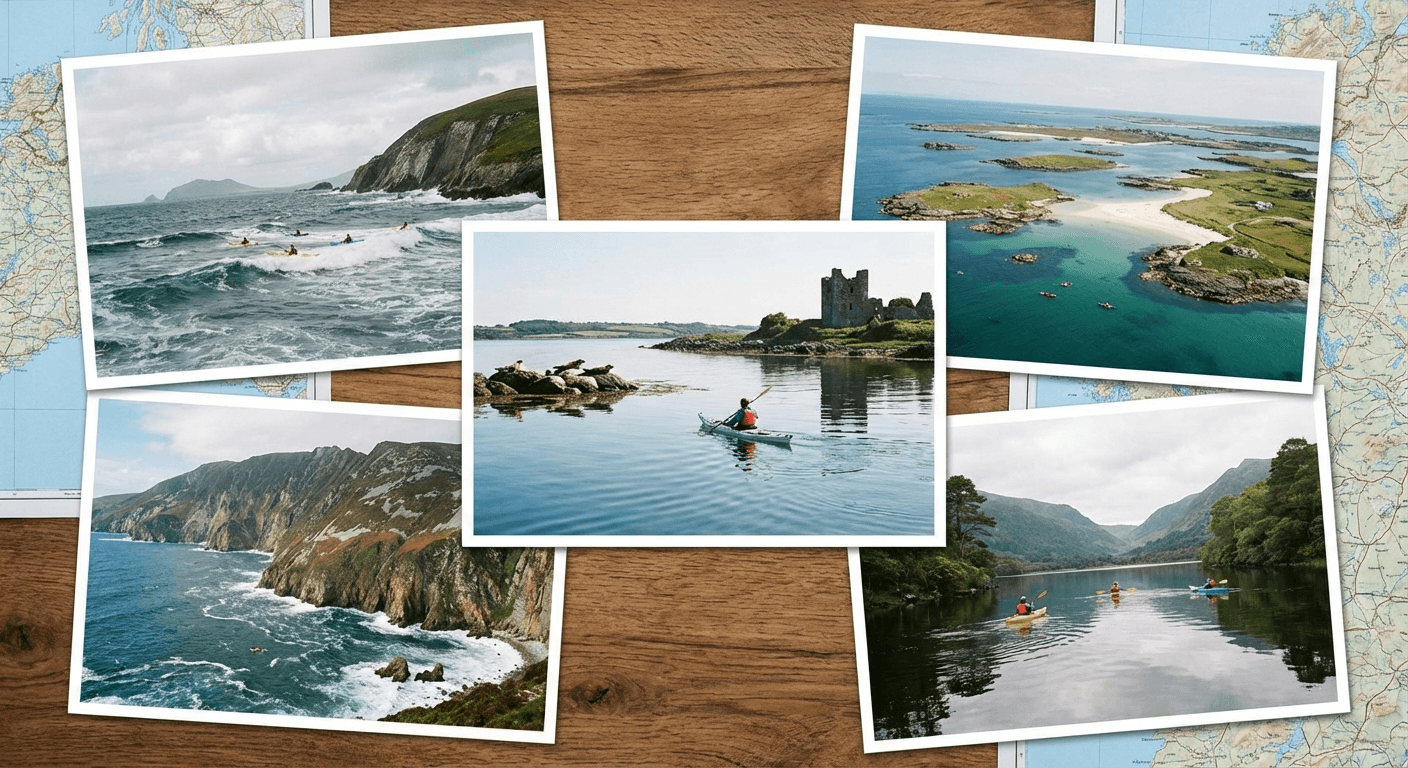
With such a long and varied coastline, choosing where to paddle can be overwhelming. Here are five of the absolute best locations for sea kayaking in Ireland, each offering something unique.
1. Dingle Peninsula, County Kerry
The Dingle Peninsula is often called Ireland's most beautiful corner, and from a kayak, it's nothing short of breathtaking. The dramatic Slea Head cliffs, hidden beaches, and the famous Blasket Islands create an unforgettable paddling environment.
Highlights:
- Paddle beneath towering sea cliffs with waterfalls cascading into the ocean
- Explore sea caves and natural arches
- Visit the remote Blasket Islands (for experienced paddlers)
- Spot dolphins, seals, and seabirds
Dingle offers both sheltered bays for beginners and challenging open-water routes for advanced kayakers. The town itself is charming, with excellent pubs and restaurants—perfect for post-paddle celebrations.
Looking for a guide in the Dingle area? Browse tour guides in Kerry.
2. Connemara, County Galway
Connemara's coastline is a maze of islands, inlets, and hidden coves. The water here is often calm and crystal clear, making it ideal for beginners and intermediate paddlers.
Highlights:
- Navigate through island archipelagos
- Discover hidden beaches accessible only by kayak
- Enjoy views of the Twelve Bens mountain range from the water
- Explore historical sites like abandoned villages and ancient fish traps
Connemara also offers access to some of Ireland's most pristine waters, where you can paddle for hours without seeing another soul.
Find experienced guides in Galway to help you explore Connemara's coastal wonders.
3. Strangford Lough, County Down
Strangford Lough in Northern Ireland is a marine nature reserve and one of the richest wildlife habitats in Europe. Its sheltered waters make it perfect for beginners and families.
Highlights:
- Paddle through calm, protected waters
- See seals, otters, and abundant birdlife
- Explore historic sites including medieval castles and ring forts
- Learn about the unique tidal ecosystem
The lough is also home to resident seal colonies, and sightings are almost guaranteed. The gentle conditions make it an excellent choice for first-time sea kayakers.
4. Donegal Coast
For experienced kayakers seeking adventure, Donegal's rugged northern coastline delivers. Dramatic cliffs, powerful swells, and remote beaches create a wild and challenging environment.

Highlights:
- Paddle beneath some of Europe's highest sea cliffs at Slieve League
- Explore remote beaches and sea caves
- Experience true wilderness paddling
- Challenge yourself with open Atlantic conditions
Donegal is not for beginners, but for those with the skills and experience, it offers some of Ireland's most rewarding kayaking.
5. Killarney Lakes, County Kerry
While not sea kayaking, Killarney's three interconnected lakes offer a stunning freshwater alternative, especially when Atlantic conditions are too rough for coastal paddling.
Highlights:
- Paddle through ancient oak forests
- Explore islands with ruined abbeys
- Enjoy mountain views across calm water
- Perfect for families and beginners
Killarney is also an excellent base for exploring both lake and coastal kayaking in Kerry.
Best Time of Year to Go Sea Kayaking
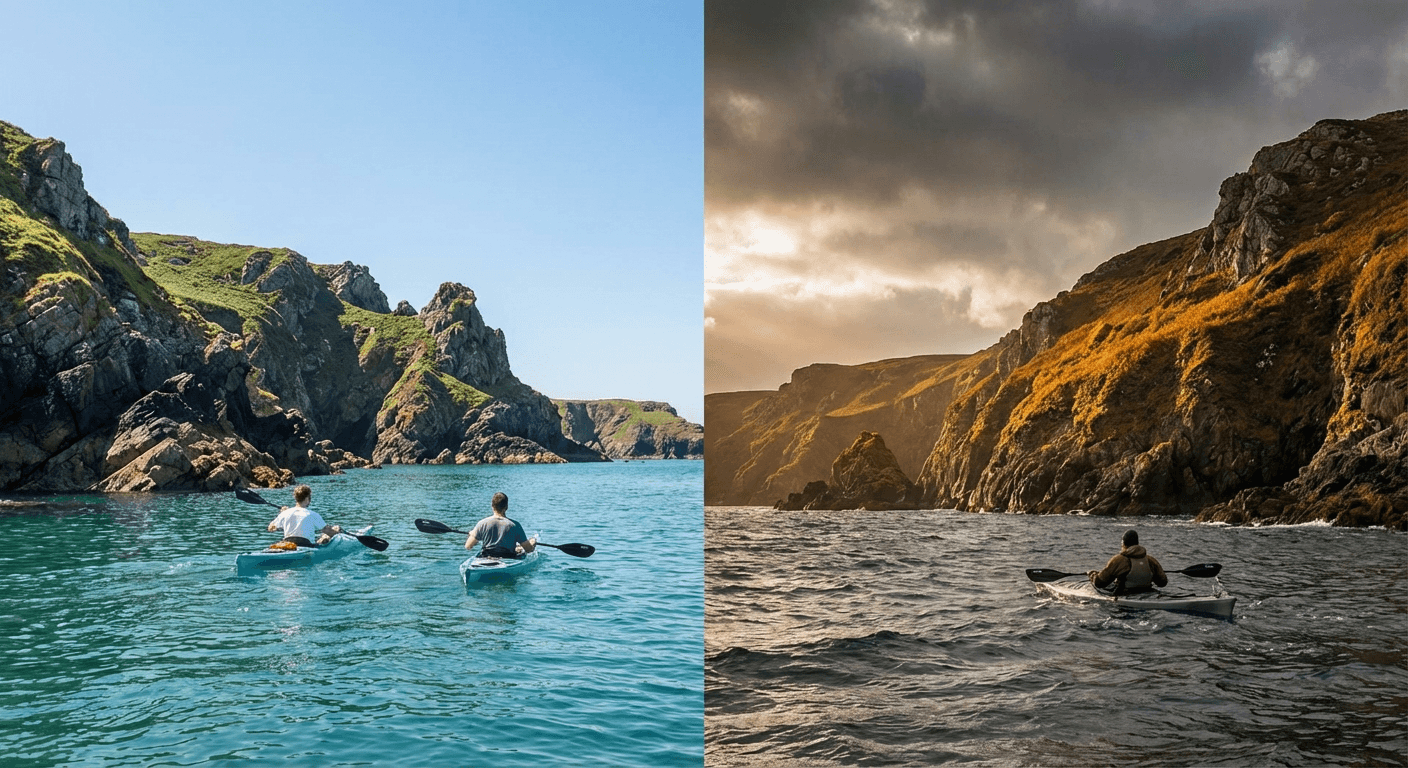
Ireland's maritime climate means sea kayaking is possible year-round, but each season offers a different experience.
Summer (June - August)
Summer is the most popular time for sea kayaking, and for good reason. Long daylight hours, warmer water temperatures, and calmer seas make it ideal for beginners and families.
Pros:
- Warmest water temperatures (14-16°C)
- Longest days (up to 18 hours of daylight in June)
- Best wildlife viewing (puffins, seals, dolphins)
- Most tour operators running regular trips
Cons:
- Busier coastlines and tour groups
- Higher accommodation costs
- Occasional calm spells with less dramatic conditions
Spring (March - May)
Spring offers excellent kayaking with fewer crowds. The weather is becoming milder, and wildlife is abundant as seabirds return to nest.
Pros:
- Fewer tourists
- Lower accommodation costs
- Good weather often arrives early
- Seabirds returning to cliffs
Cons:
- Colder water temperatures (10-12°C)
- Unpredictable weather
- Shorter days
Autumn (September - November)
Autumn can be magical on the water. Atlantic storms bring dramatic seascapes, and the low-angle light creates stunning photography opportunities.
Pros:
- Beautiful light for photography
- Fewer crowds
- Still relatively mild temperatures
- Dramatic sea conditions (for experienced paddlers)
Cons:
- Shorter days
- More frequent storms
- Colder water
Winter (December - February)
Winter kayaking is only for experienced paddlers with proper equipment and training. However, if you're up for it, you'll have the coast entirely to yourself.
Pro tip: Book tours in advance during summer, but be flexible with dates. Irish weather can be unpredictable, and having buffer days allows you to reschedule if conditions aren't safe.
What to Expect on a Guided Sea Kayaking Tour
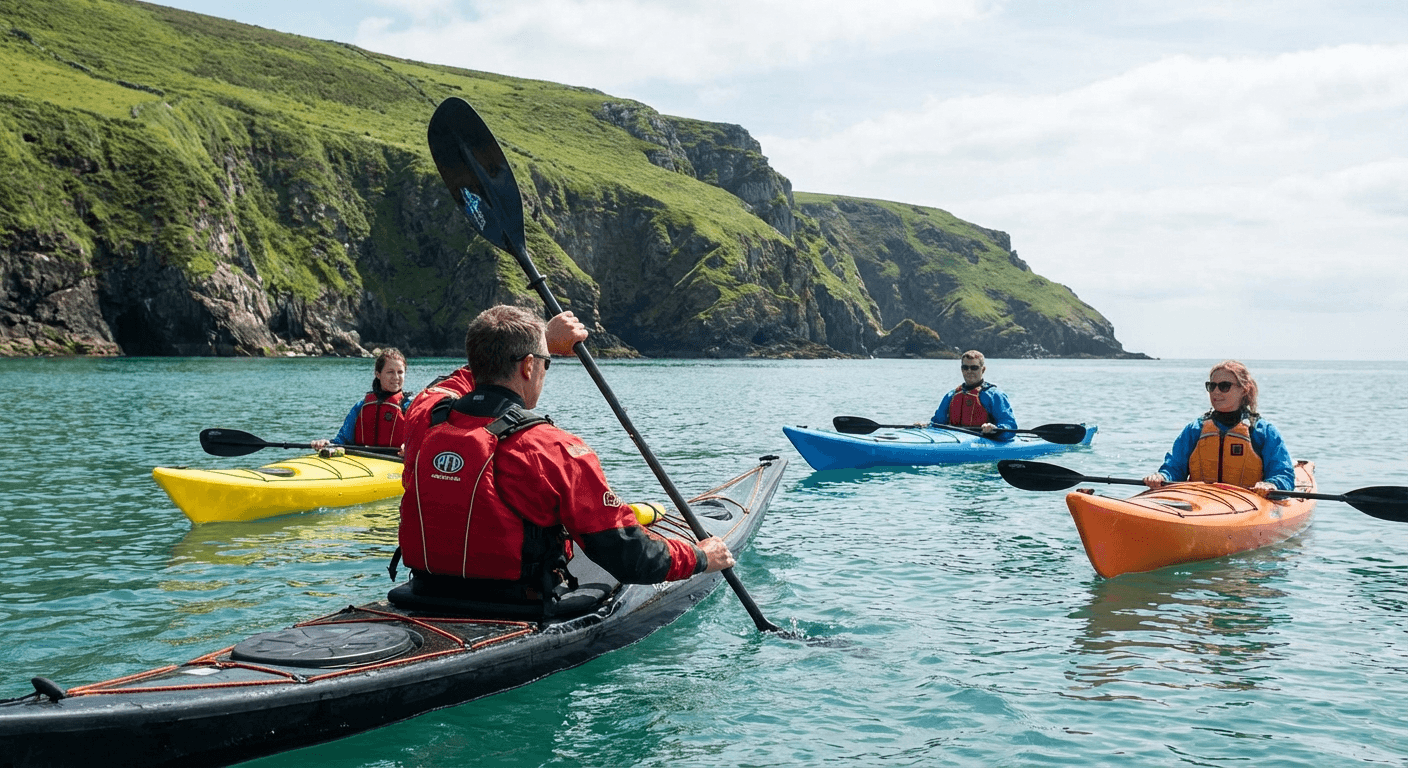
If you're new to sea kayaking, a guided tour is the best way to get started. Here's what a typical half-day or full-day tour involves.
Before You Launch
Your guide will meet you at the beach or harbour and provide all necessary equipment: kayak, paddle, spray skirt, buoyancy aid, and wetsuit. They'll give a thorough safety briefing covering:
- How to get in and out of the kayak safely
- Paddling techniques
- What to do if you capsize
- Sea conditions and potential hazards
- Hand signals for communication on the water
Most operators use stable, sit-on-top or touring kayaks that are very difficult to capsize. Even if you do go in the water, your guide is trained in rescue procedures and will have you back in your kayak quickly.
On the Water
Once you're comfortable, you'll launch as a group. The guide will set a steady pace and point out wildlife, geological features, and historical sites along the way. Most tours include:
- Paddling along dramatic coastline
- Exploring sea caves (conditions permitting)
- Beach stops for snacks or lunch
- Opportunities to swim (if you're brave!)
- Wildlife spotting and photography breaks
Guides adjust the route based on group ability and conditions. Safety always comes first, so if weather changes, routes may be modified.
Duration and Difficulty
- Half-day tours (3-4 hours): Perfect for beginners and families. Usually cover 5-8 km.
- Full-day tours (6-8 hours): More distance and exploration. Usually cover 12-20 km.
- Multi-day expeditions: For experienced paddlers wanting to explore remote coastlines.
Do You Need Experience?
Most beginner tours require no previous experience. If you can swim and have reasonable fitness, you can sea kayak. Guides are skilled at teaching basic strokes and making everyone feel comfortable on the water.
That said, if you're interested in more challenging routes—like crossing to offshore islands or paddling exposed headlands—some experience is required, and operators will assess your skill level before accepting bookings.
What to Bring
- Swimwear and towel
- Sunscreen and sunglasses (yes, even in Ireland!)
- Water bottle
- Snacks
- Warm layers for after paddling
- Dry bag for valuables (usually provided)
Most operators provide wetsuits, but if you have your own kayaking gear, you're welcome to bring it.
Cost
Prices vary depending on duration and location:
- Half-day tours: €50-70 per person
- Full-day tours: €90-120 per person
- Multi-day expeditions: €300-500+ per person
Many operators offer group discounts, and some provide family packages with reduced rates for children.
Essential Gear & Safety Tips
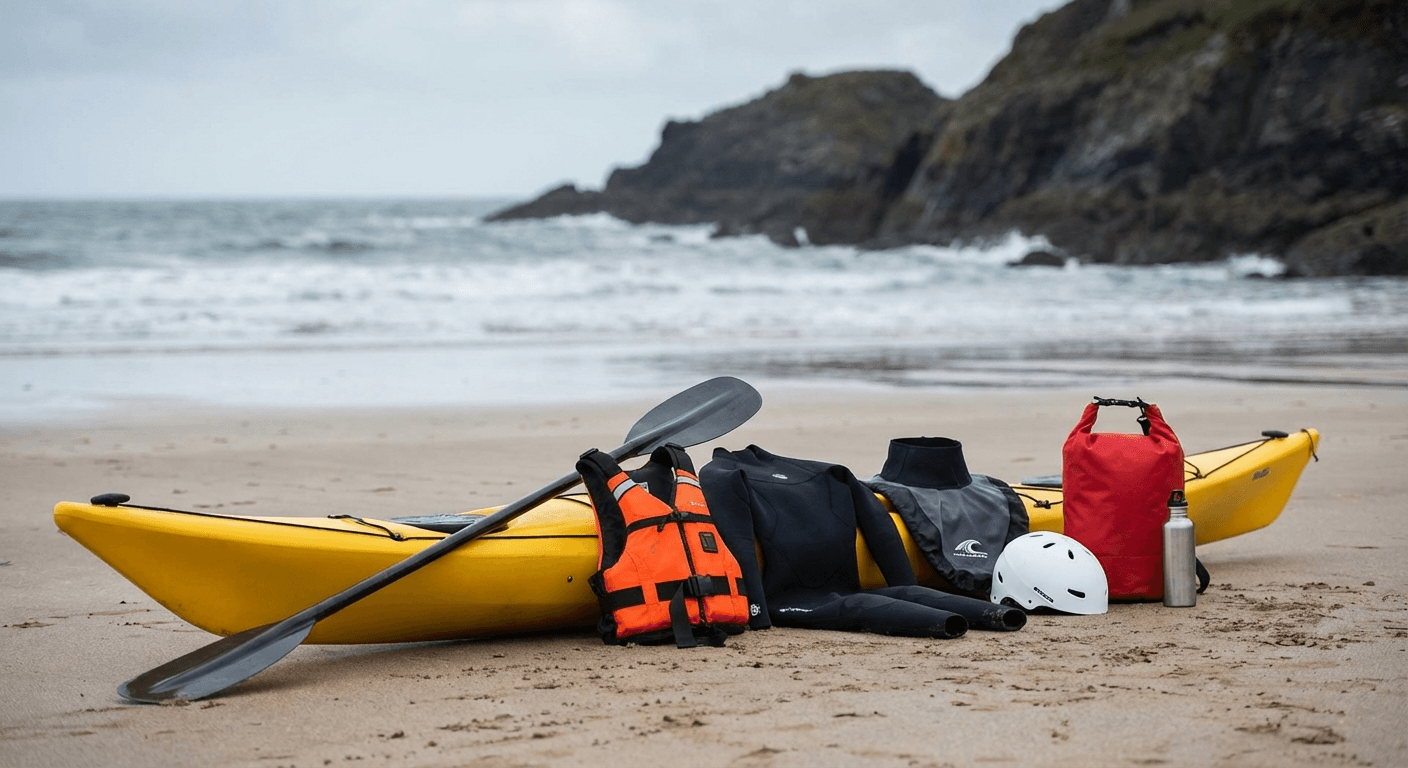
While guided tours provide all equipment, understanding what gear is involved and why safety matters is important for any paddler.
Essential Equipment
- Kayak: Touring or sit-on-top kayaks are most common for sea kayaking
- Paddle: Adjustable length, lightweight paddles reduce fatigue
- Buoyancy aid (PFD): Mandatory. Should fit snugly and not ride up
- Wetsuit: 5mm thickness for Irish waters. Some prefer drysuits in winter
- Spray skirt: Keeps water out of the kayak in rougher conditions
- Helmet: Required when paddling near cliffs or in caves
Safety Considerations
Sea kayaking is a safe activity when proper precautions are taken:
- Never paddle alone - Always go with a guide or experienced partner
- Check weather forecasts - Wind, swell, and tides all affect conditions
- Know your limits - Don't attempt routes beyond your skill level
- Inform someone of your plans - Always leave word of where you're going
- Wear your buoyancy aid - No exceptions
- Stay hydrated - Even on the water, dehydration is a risk
Tides and Currents
Ireland's tidal range can be significant (up to 4 meters in some areas). Strong tidal currents can make paddling exhausting or even dangerous. Always check tide times and plan routes accordingly. Guides will handle this for you on tours.
Cold Water Shock
Irish waters are cold year-round (10-16°C). If you capsize, cold water shock can affect your breathing and swimming ability. Wetsuits are essential, and knowing how to perform a self-rescue or assisted rescue is critical for independent paddlers.
How to Choose the Right Tour for You
With dozens of kayaking operators around Ireland, how do you choose the right one?
Certification and Experience
Look for guides certified by recognized bodies:
- Canoeing Ireland - The national governing body
- British Canoeing (BCU) - Widely recognized international standard
- Leave No Trace Ireland - Eco-conscious operators
Experienced guides make all the difference. They know local conditions, tides, wildlife, and can adapt to changing weather.
Group Size
Smaller groups (4-8 paddlers) offer a more personalized experience and better wildlife viewing opportunities. Larger groups can feel rushed and less intimate.
Location and Focus
Consider what you want from the experience:
- Wildlife-focused tours - Best in spring and summer
- Cave exploration - Requires calm seas and low swell
- Historical and cultural tours - Combine paddling with storytelling
- Photography tours - Early morning or late evening light
Skill Level Matching
Be honest about your fitness and experience. Tour operators want you to have a great time, and that means matching you to the right route. Pushing beyond your limits can be dangerous and unenjoyable.
Sustainability
Choose operators committed to protecting Ireland's marine environment. Look for:
- Leave No Trace practices
- Small group sizes to minimize impact
- Education about local ecosystems
- Involvement in coastal conservation
Ready to Paddle?
Sea kayaking in Ireland is more than just an activity—it's a journey into the heart of wild places. From the moment you push off the beach, you'll see Ireland from a completely new perspective.
Whether you're a complete beginner looking for a gentle introduction or an experienced paddler seeking remote adventure, Ireland's coastline has something extraordinary waiting for you.
The water is calling. Will you answer?
Table of Contents
Share this post
More from the Blog

Cork to Blarney Castle Day Trip: The Stone, the Gardens and What Else to See
Plan a Cork to Blarney Castle day trip. Kiss the stone, explore the Poison Garden, and add Cork city, Fota or Kinsale for a full day out.

Cork to Cobh Day Trip: Titanic, Colourful Houses and Harbour History
Plan a Cork to Cobh day trip by train, car or private driver. Explore Titanic history, St Colman's Cathedral, Spike Island and the best harbour views.

Cork to Killarney Day Trip: Lakes, Mountains and Muckross in One Day
A Cork to Killarney day trip is a longer escape into Kerry. Here's how to plan the drive, what to see in Killarney National Park, and why a private driver helps.