
Freshwater Swimming in Ireland: Best Lakes, Rivers & Loughs
When travelers envision a wild swimming holiday in Ireland, their minds instantly race to the rugged, salt-sprayed cliffs of the Wild Atlantic Way or the historic concrete bathing shelters of Dublin Bay. The ocean undeniably dominates the Irish tourism narrative. However, looking at a map of Ireland reveals a deeply fractured interior, heavily veined with thousands of miles of winding rivers and dotted with over twelve thousand lakes—or "loughs," as they are known locally.
For a growing community of wild swimmers, these inland waterways represent the true, beating heart of the island. Freshwater swimming in Ireland offers an entirely different sensory and atmospheric experience than braving the coast. There are no crashing waves to battle, no aggressive tidal currents pulling you out to sea, and absolutely no stinging salt left drying on your skin. Instead, you are treated to the profound silence of glacial valleys, the scent of ancient pine forests, and water that is often so still and dark it perfectly reflects the surrounding mountains like a mirror.
But do not mistake serenity for complete safety. The lakes and rivers of Ireland possess their own distinct, hidden temperaments. The water behaves differently here. The environmental risks shift from rip currents to thermal stratification and agricultural runoff. Navigating the unmarked, heavily forested access roads of the Irish Midlands or the Wicklow Mountains requires just as much care as driving a coastal cliff edge.
"There is a softness to the lake water that you just don't get in the ocean. Because it's often filtered through the peat bogs, it feels silky on the skin. But you have to respect the depths. You can be standing waist-deep on a sandy shelf, take one step forward, and suddenly plunge into a freezing, forty-foot glacial drop. You never swim an Irish lough blindly." — Eoin, Inland Open Water Swim Coach
In this comprehensive guide, we are leaving the coastline behind to journey deep into the Irish interior. We will explore the spectacular glacial lakes of Wicklow, the massive, sprawling expanse of the River Shannon, and the hidden woodland swimming holes of the Midlands. We will detail the unique physiological differences of freshwater swimming and explain why securing the expertise of a local guide is the only way to safely unlock these hidden inland gems.
(This guide is a vital chapter in our master resource: Wild Swimming in Ireland: Sea Coves, Tidal Pools, Saunas & Everything You Need to Know. Ensure you are fully prepared for the cold by reviewing our gear guide, What to Wear Wild Swimming in Ireland: Dryrobes & Gear, before you pack your bags).
1. The Geography of the Irish Lough: Peat, Silt, and Stone
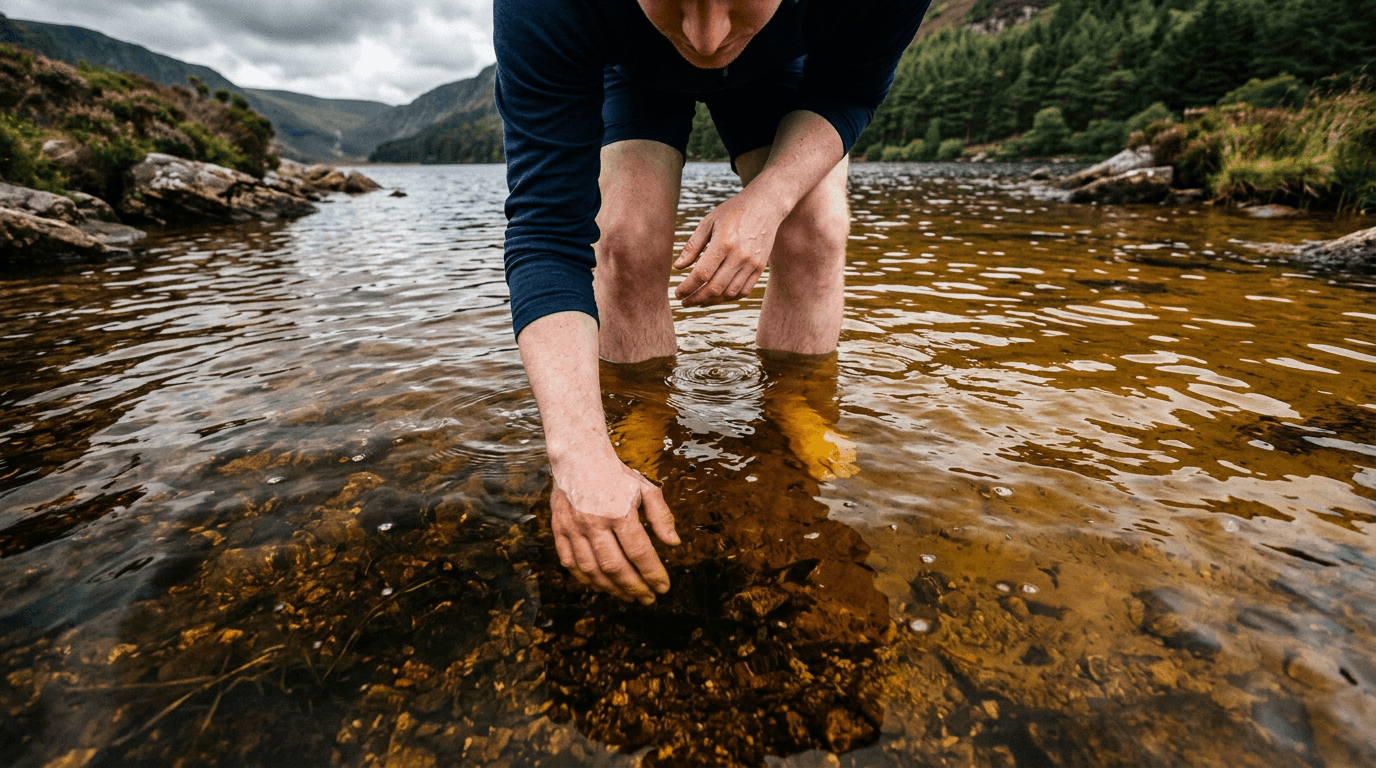
To truly appreciate freshwater swimming in Ireland, you must first understand the unique composition of the water itself. If you are expecting the crystal-clear, bright turquoise lakes of the Swiss Alps or the Canadian Rockies, the Irish loughs will look startlingly different.
The vast majority of Ireland's inland water network flows through massive expanses of blanket bog and ancient peatland. As the rainwater filters through these dense, organic layers of decomposing vegetation, it absorbs high levels of tannins. This natural filtration process gives the water a distinct, dark coloration, often ranging from a rich, golden amber to a deep, impenetrable Guinness-brown.
This peat-stained water is entirely clean and safe to swim in, but its opacity creates a specific psychological challenge for the swimmer. When you look down, you cannot see your feet. You cannot see the bottom of the lake, nor can you visually gauge the depth. This darkness can feel intimidating to beginners, but for experienced wild swimmers, it adds a profound layer of mystery and immersion to the experience.
- The Softness of the Water: Because peat water is naturally acidic and lacks the heavy mineral content of the ocean, it feels incredibly soft and silky against the skin. Many swimmers claim that a dip in a peaty Irish lough leaves their skin feeling exceptionally conditioned, lacking the tight, drying sensation that follows a saltwater swim.
- The Temperature Discrepancy: Inland waters are not moderated by the warming effects of the Gulf Stream in the same way the Atlantic coast is. Consequently, while shallow lakes may warm up slightly faster during a prolonged summer heatwave, the deep, glacial lakes will remain brutally, shockingly cold year-round, often hovering several degrees lower than the ocean.

2. Glendalough: Swimming in the Valley of the Two Lakes
Just an hour south of the bustling capital lies the Wicklow Mountains National Park, a vast expanse of heather-clad hills, deep glens, and cascading waterfalls. At the very heart of this park sits Glendalough (meaning "Valley of the Two Lakes"), one of the most significant monastic sites in Ireland, founded by St. Kevin in the 6th century. It is also home to one of the most awe-inspiring, atmospheric freshwater swims on the island.
The Upper Lake at Glendalough is a classic ribbon lake, carved out by a massive glacier during the last Ice Age. It is flanked on both sides by towering, near-vertical cliffs covered in dense oak and pine forests. Swimming here feels like stepping back into ancient history. You enter the water near the sandy stretch at the eastern edge and swim out into the dark, perfectly still expanse, surrounded by the absolute silence of the valley and the imposing ruins of the monastic city just a short walk away.
- The Glacial Chill: The Upper Lake is incredibly deep—plunging to over 100 feet in the center—which means the water temperature is notoriously freezing, even in the height of August. It receives very little direct sunlight due to the steep surrounding valley walls. If you are swimming here, utilizing the thermal accessories we discussed in our gear guide is highly recommended.
- The Summer Crowds: Because of its proximity to Dublin, Glendalough is heavily trafficked by tourists and hikers during the summer months. However, the vast majority of visitors stay on the walking trails. Slipping into the dark water provides an immediate, profound escape from the crowds on the shore. (If you prefer to warm up afterward, there are occasionally mobile saunas set up near the Wicklow lakes, which you can read about in our Best Outdoor Saunas in Ireland guide).
3. The Mighty Shannon and Lough Derg
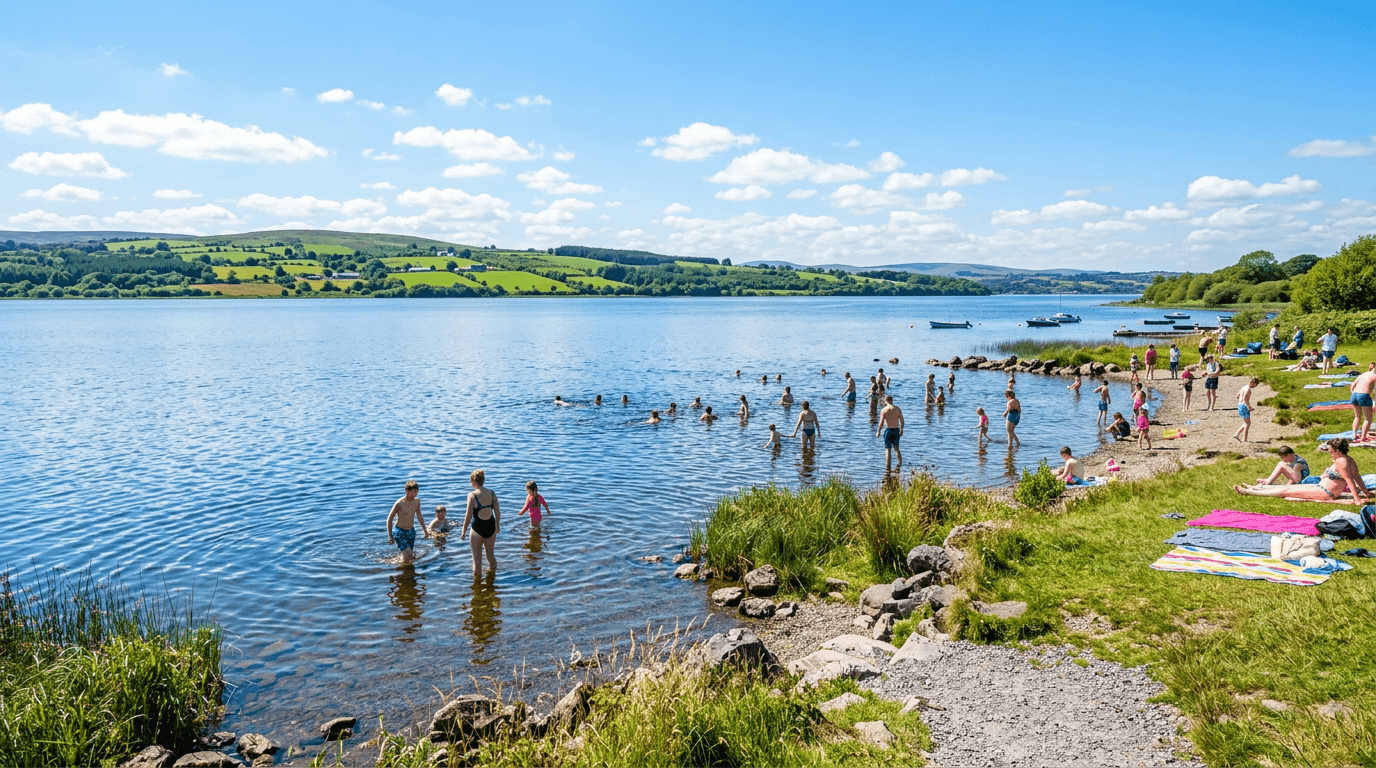
If the lakes of Wicklow represent deep, enclosed glacial beauty, the River Shannon represents the sprawling, open aquatic highway of the Irish interior. At 224 miles long, it is the longest river in Ireland, effectively dividing the west of the country from the east and south. Along its course, the river widens into several massive, sea-like lakes, the most famous and swimmable of which is Lough Derg.
Lough Derg, bordering counties Clare, Galway, and Tipperary, is an absolute paradise for freshwater enthusiasts. It is vast, offering everything from bustling marina towns to completely deserted, heavily wooded islands.
- Two Mile Gate (Killaloe): Located near the picturesque twin towns of Killaloe and Ballina, Two Mile Gate is a designated, Blue Flag freshwater beach. It features a grassy bank, a gently sloping stony entry into the water, and is extremely popular with local open-water swimming clubs. The water here is clean, expansive, and provides a brilliant, long-distance swimming environment without the disruption of ocean waves.
- Mountshannon Beach: On the western shore of the lough in County Clare, Mountshannon offers a beautiful, sheltered sandy and stony beach. It is an ideal starting point for strong, experienced swimmers who wish to swim out toward Holy Island (Inis Cealtra), an uninhabited island featuring a stunningly preserved round tower and monastic ruins.
4. The Hidden Woodlands of the Midlands
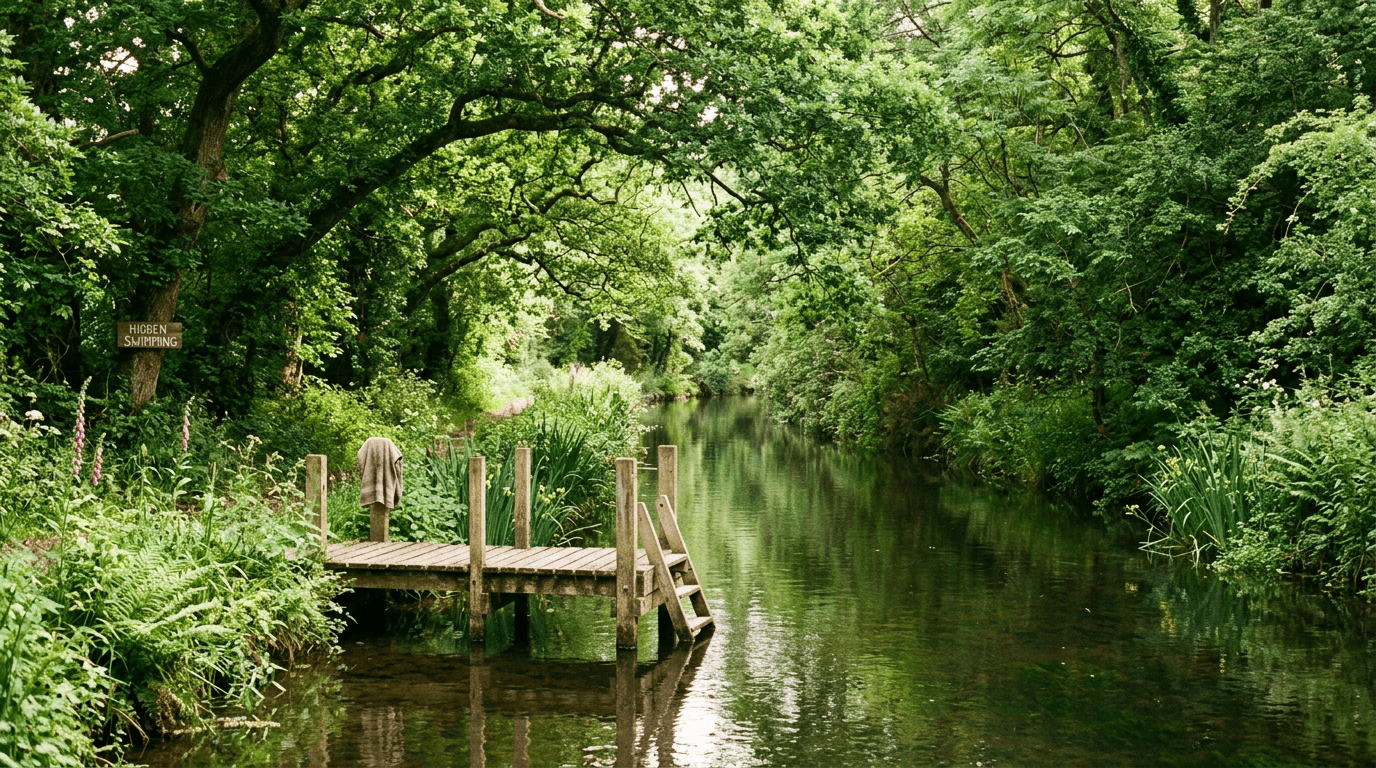
The Irish Midlands are frequently—and unfairly—bypassed by tourists rushing from Dublin to the Cliffs of Moher. This region, encompassing counties like Westmeath, Cavan, and Offaly, is known as the "Lakelands." It is a quiet, deeply rural landscape stitched together by a complex network of slow-moving rivers, canals, and hidden loughs.
Swimming in the Midlands is an exercise in total tranquility. There are no dramatic cliffs or crashing waves; instead, you are surrounded by ancient woodlands, rolling green pastures, and the gentle sounds of local birdlife.
- Lough Lene (Westmeath): Located near the village of Collinstown, Lough Lene is a spectacular exception to the dark, peaty water rule. Fed by underground springs, the water here is exceptionally clear and clean, holding a prestigious Blue Flag status. The local swimming area, known as "The Cut," features a diving board and incredibly accessible, stepped entry points, making it a beloved hidden gem for local families and triathletes.
- The Grand Canal: While swimming in the working locks of the canals is strictly prohibited for safety reasons, there are specific, designated, and slow-moving stretches of the Grand Canal and the Royal Canal where locals take a dip. Swimming down a narrow, tree-lined 18th-century waterway is a wonderfully unique, deeply peaceful experience.
5. The Dangers of Freshwater: A Different Kind of Risk
While the absence of rip currents and massive ocean swells makes lake swimming look safer, freshwater presents an entirely different, highly deceptive set of physical and environmental challenges. To answer the question of whether lake swimming is safe, you must understand these specific risks.
The Buoyancy Deficit: Saltwater is dense. The salt content of the Atlantic Ocean naturally lifts your body, making floating relatively effortless. Freshwater lacks this density. When you transition from sea swimming to lake swimming, you will immediately notice that you ride significantly lower in the water. Your legs will naturally want to sink, and treading water requires substantially more physical exertion. Weak swimmers who rely on the natural buoyancy of the ocean can quickly find themselves fatigued and struggling in a lake.
Thermal Stratification: In the ocean, the water is constantly churned and mixed by the tides and the waves, keeping the temperature relatively consistent from the surface down to the seabed. Lakes, particularly deep ones during the summer, experience "thermal stratification." The sun warms the top layer of the water (the epilimnion), making it feel incredibly inviting when you first dip your toes in. However, just a few feet below the surface lies the thermocline—a sharp boundary line where the temperature plummets instantly to freezing, winter-like conditions. If you dive headfirst into a lake or suddenly drop your legs down to tread water, you can plunge into this freezing lower layer, triggering immediate cold water shock and panic.
The Drop-Off: Many of Ireland's most beautiful lakes were formed by ancient quarries, glacial carving, or flooded valleys. Consequently, the shoreline does not always slope gently. You can be wading in knee-deep water near the bank, take a single step forward, and drop off a sheer underwater ledge into thirty feet of dark water.
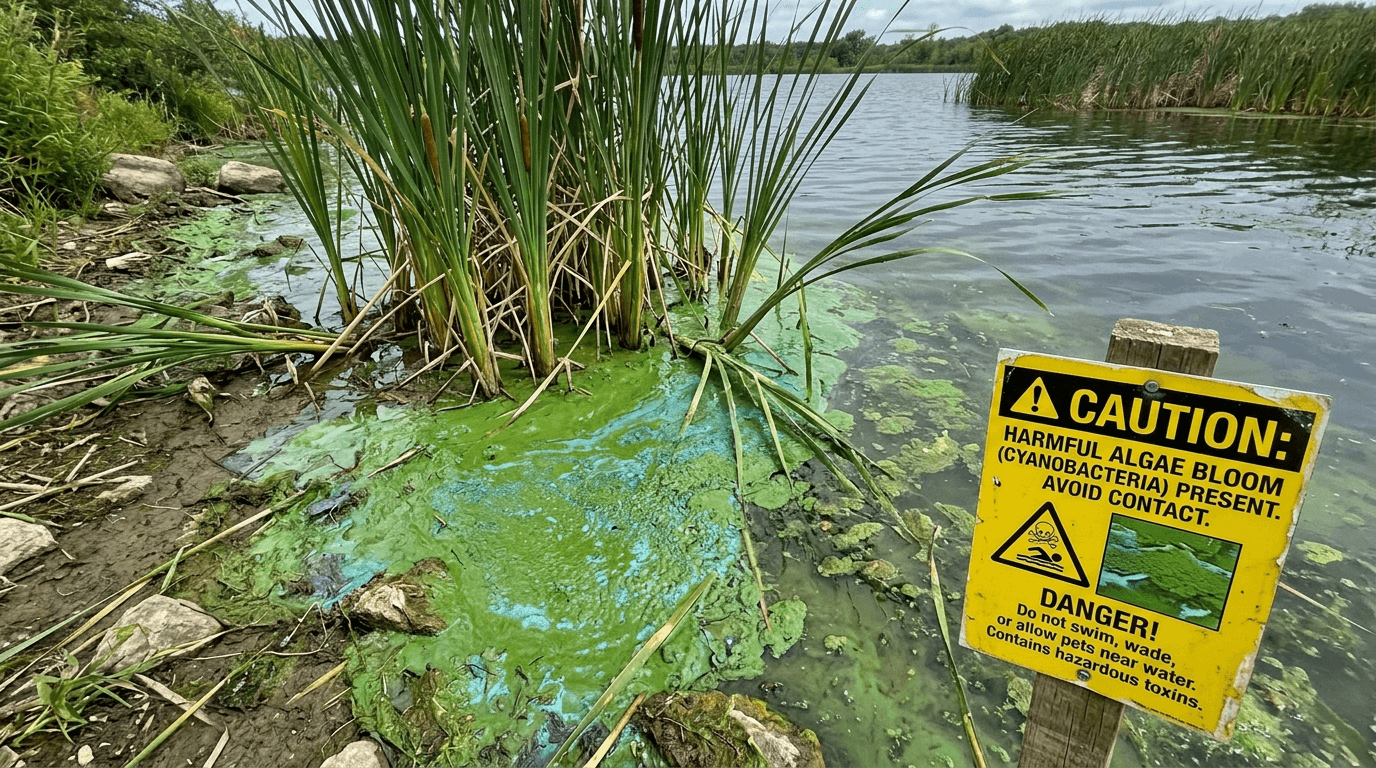
Agricultural Runoff and Algae: Because Ireland is a heavily agricultural nation, heavy rainfall can occasionally wash fertilizer and agricultural runoff from the surrounding fields directly into the lakes and slow-moving rivers. During periods of warm, still weather, this nutrient spike can trigger the rapid growth of blue-green algae (Cyanobacteria). These algal blooms often look like green paint or pea soup spilled on the surface of the water. They are highly toxic to humans and fatal to dogs. You must never swim in, or allow your pets near, a lake experiencing an algal bloom.
6. The Navigational Challenge of the Interior

If finding the hidden coastal coves of the Wild Atlantic Way requires navigating treacherous cliff edges, finding the best inland swimming holes requires deciphering a labyrinth of forestry tracks and agricultural backroads.
The most pristine, secluded lakes are rarely located just off a major highway. Accessing them often involves driving miles down single-lane, unmarked gravel roads through dense, state-owned forestry plantations.
- The Dead Zones: The Irish interior is notorious for cellular "dead zones." You will frequently lose 4G and GPS signals as you drop down into the deep valleys of Wicklow or the remote woodlands of Cavan. If you make a wrong turn down a logging road without a signal, getting a rental car turned around—or calling for help if you get a flat tire on the sharp gravel—becomes a massive, anxiety-inducing logistical failure.
- Parking Limitations: Just like the coast, the best lakes have virtually zero infrastructure. You will be competing with local fishermen and hikers for two or three muddy parking spaces at the edge of a forest trail.
7. The Essential Pivot: Local Guides and Drivers
Freshwater swimming is incredibly rewarding, but venturing into the dark, cold depths of an unfamiliar lake in a foreign country is not something you should attempt blindly. To safely experience the magic of the Irish interior, partnering with a Local Open Water Swimming Guide or a Private Driver is the ultimate key to a successful trip.
The Safety Net of a Guide: A local guide is not just there to show you the way; they are your primary safety mechanism. They know exactly where the hidden drop-offs are located. They monitor the local council water quality reports and will immediately cancel or reroute a swim if there is any risk of blue-green algae in the area. They know how to read the thermal layers of the lake and will instruct you on the safest entry points to avoid sudden cold water shock.
The Luxury of a Private Driver: The logistics of reaching these lakes should not detract from the serenity of the experience. Hiring a private driver removes the stress of navigating the blind, gravel forestry roads and dealing with the total loss of GPS signals. Your driver already knows the route.
More importantly, a private driver solves the post-swim recovery crisis. When you emerge from the freezing depths of a Wicklow lake, shivering violently and covered in peat-stained water, you do not want to hike a mile uphill to a cold rental car. Your driver will be waiting at the nearest accessible point with the heavy-duty waterproof mats ready for your wet gear, the cabin pre-heated, and the suspension perfectly tuned to glide you back to your hotel in total luxury.
Conclusion: The Silence of the Lough
There is a specific kind of magic found only in the fresh waters of Ireland. Floating on your back in the center of a dark, still lake, watching the mist roll down the sides of a silent, pine-covered mountain, is an experience that instantly grounds you in the ancient history of the island.
It is a softer, quieter wild swim than the ocean provides, but it demands an equal level of respect and preparation. Acknowledge the buoyancy difference, beware the hidden depths, and trust the local experts to navigate the rural labyrinth. Trade the salt for the silt, and discover the hidden, beating heart of the Irish wilderness.
Navigate the Interior Safely
Don't risk getting lost on forestry roads or swimming in untested waters. Hire a local private driver or a coastal/inland swimming guide to manage the logistics and ensure your absolute safety.
Table of Contents
Share this post
More from the Blog

Cork to Blarney Castle Day Trip: The Stone, the Gardens and What Else to See
Plan a Cork to Blarney Castle day trip. Kiss the stone, explore the Poison Garden, and add Cork city, Fota or Kinsale for a full day out.

Cork to Cobh Day Trip: Titanic, Colourful Houses and Harbour History
Plan a Cork to Cobh day trip by train, car or private driver. Explore Titanic history, St Colman's Cathedral, Spike Island and the best harbour views.

Cork to Killarney Day Trip: Lakes, Mountains and Muckross in One Day
A Cork to Killarney day trip is a longer escape into Kerry. Here's how to plan the drive, what to see in Killarney National Park, and why a private driver helps.