
The Gap of Dunloe: How to Experience Kerry's Most Dramatic Pass
The Gap of Dunloe is the kind of landscape that makes people stop mid-sentence. A narrow mountain pass cut by glacial ice, flanked by sandstone cliffs that rise steeply on either side, with a ribbon of road and river threading through the bottom. It is one of the most photographed locations in Kerry, and for good reason. But photography is not the same as experience, and the Gap is also one of the most mismanaged stops for independent visitors. The difference between seeing it and feeling it comes down to timing, direction, and knowing which combination of boat, pony trap, boot, or bicycle suits your particular day.
This is not a place you simply arrive at. It is a place you move through, and the way you choose to move changes everything.

What the Gap Actually Is
Geologically, the Gap of Dunloe is a glacial valley that runs between the MacGillycuddy's Reeks and the Purple Mountain group, connecting the Black Valley to the north with the lakes of Killarney to the south. The road through it is narrow, barely wide enough for two vehicles in places, and in summer it is shared by cars, cyclists, walkers, and the famous pony traps that have carried visitors through the pass for well over a century.
The scenery is alpine in character, though you are only a few kilometres from sea level. The cliffs are steep and layered, the river rushes over rock, and the vegetation is sparse enough that you can read the geology clearly. There are no trees in the pass itself, which means no shelter from rain or sun. The weather can change in minutes, and frequently does.
The Gap is part of the larger Killarney National Park system, though it sits outside the main park boundary. This affects parking, access rules, and the level of infrastructure you can expect.

The Classic Route: Boat and Pony Trap
The traditional way to experience the Gap is the combination that local operators have refined over generations. You start at Kate Kearney's Cottage, a stone building on the western approach that has served as a staging post since the nineteenth century. From here, you can take a pony trap through the Gap itself, a journey of roughly eleven kilometres that takes between one and two hours depending on traffic and how often you stop.
The pony traps are drawn by small horses known locally as Irish cobs, driven by handlers who know every bend in the road and most of the weather patterns. The pace is slow enough that you can look up without risking motion sickness on the tight turns. The drivers are usually locals who grew up in the Black Valley or the surrounding townlands, and the commentary is informal rather than scripted.
At the northern end of the Gap, you reach Lord Brandon's Cottage, a former hunting lodge where you can get tea and basic food in season. From here, the second half of the classic route involves a boat trip down the Upper Lake, through the Middle Lake, and into the Lower Lake, finishing at Ross Castle near Killarney town. The boatmen use traditional wooden craft and the journey takes roughly an hour and a half, depending on wind and traffic.
The combination of pony trap and boat covers the full spectrum of Kerry landscape in a single day: mountain pass, river valley, and lake system. It is the most complete way to see the area, and it is popular for a reason. But it requires coordination. The boat leaves when it leaves, the pony trap returns when it returns, and the two ends of the route are separated by eleven kilometres of road with no public transport link.


Walking the Gap
If you prefer to move under your own power, the Gap can be walked in either direction. The full route from Kate Kearney's Cottage to Lord Brandon's Cottage is roughly eleven kilometres with a gradual climb followed by a descent. The road surface is uneven and shared with traffic, so you need to stay alert.
Walking allows you to stop where you want, for as long as you want. The best light for photography is usually in the early morning or late afternoon, which does not align with the pony trap schedule. Walkers can time their arrival for these windows. You also have the option to detour to the side of the road and follow the river for short distances, though there is no maintained trail and the ground is rough.
The downside is exposure. There is no shade, no shelter, and no mobile signal for most of the pass. If the weather turns, you are in it until you reach either end. Waterproof clothing is not optional, even on a sunny morning.
Many walkers choose to do the route one way and arrange a pick-up or boat connection at the far end. This requires logistics that are not always straightforward to organise independently, particularly outside the main season.

Cycling Through
Cyclists can ride the Gap road in either direction, though the prevailing wisdom is to start from the Black Valley side and ride south toward Kate Kearney's, which gives you a net descent. The road is narrow and shared with pony traps and cars, so this is not a route for inexperienced cyclists or those uncomfortable with close passes.
The surface is tarmac but patchy, with gravel and sheep droppings in places. The gradients are moderate but sustained, and the combination of exposure, traffic, and weather means you need to be competent and properly equipped. A hybrid or gravel bike is more suitable than a pure road bike.
The reward is the same scenery at a faster pace, with the ability to cover both the Gap and the lakes in a single day if you combine cycling with the boat trip. Several local operators offer bike hire and shuttle services that let you ride one way and return by boat or bus.

Timing and Crowds

The Gap of Dunloe suffers from the same problem as every famous Kerry location: it is famous. Between ten in the morning and four in the afternoon from May through September, the pass can feel like a queue rather than a wilderness. Pony traps bunch up, cars crawl in convoy, and the sense of isolation that makes the landscape special evaporates.
The solution is to start early. If you can be at Kate Kearney's Cottage by eight in the morning, you will have the pass largely to yourself for the first hour. The light is better, the air is cooler, and the pony traps have not yet assembled in numbers. The same applies in reverse if you are coming from the Black Valley.
Evening is also quieter, though you need to be conscious of closing times and the last boat departure if you are doing the full route. In the shoulder months of April and October, the crowds thin considerably, though some services reduce their hours or close entirely.

Weather and What to Bring
The Gap is fully exposed to the prevailing south-westerly weather systems. Rain can arrive with little warning, and the wind funnels through the pass with surprising force. Temperatures are typically several degrees cooler than Killarney town, even in summer.
You need waterproof outer layers, warm mid-layers, and sturdy footwear regardless of which transport method you choose. The pony traps have blankets but no roof. The boats have covers but the wind finds its way in. Walkers and cyclists are fully exposed.
Sun protection is also important. The lack of tree cover means there is no shade, and the reflection from the rock and water intensifies the effect.

Why You Need a Local Guide for the Gap of Dunloe
The Gap of Dunloe is technically accessible to independent travellers. The road is public, the boat runs on a schedule, and the pony traps wait at Kate Kearney's. But the experience is heavily dependent on getting the logistics right, and the logistics are not obvious from a guidebook or a website.
An adventure guide who knows the Gap can arrange the boat-pony trap combination in the correct order, book the early slots before they sell out, and advise on whether the weather window on a particular morning makes walking a better option than riding. They know the drivers, the boatmen, and the current state of the road. They can organise a one-way cycle with a boat return, or a walk with a pick-up at the far end, without you having to negotiate the details yourself.
More importantly, they can tell you when not to go. If a storm is coming in, if the boats are cancelled due to wind, or if the pass is gridlocked with a coach convoy, a local guide knows before you leave your hotel. The Gap is worth doing properly, or not at all.
Meet a Local Guide
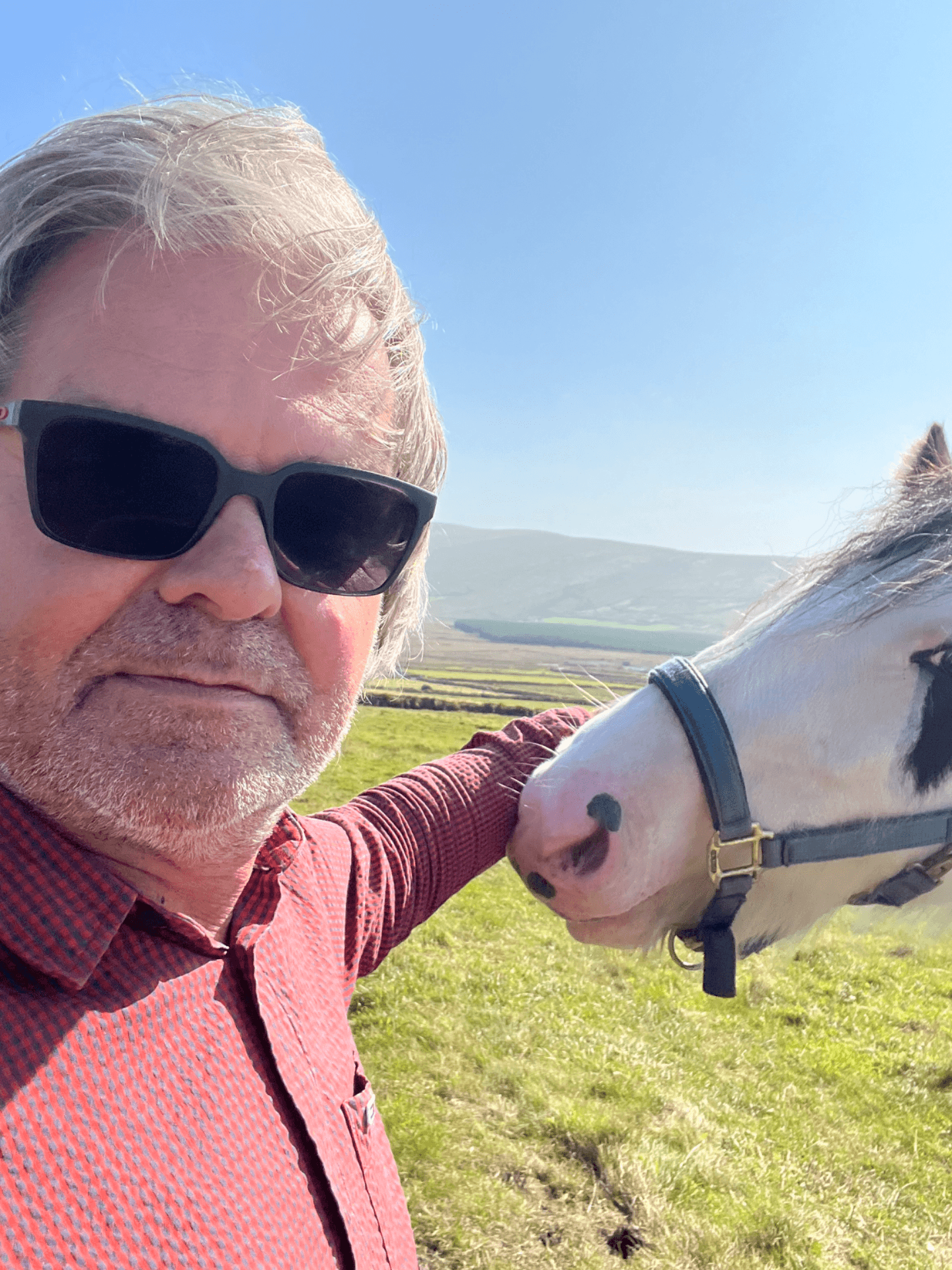
Hello.
Frequently Asked Questions
How long does the full Gap of Dunloe route take?
The classic pony trap and boat combination takes between five and six hours from start to finish, including stops. Walking one way takes three to four hours depending on your pace. Cycling the pass takes one to two hours, plus time for the boat if you include it.
Can I drive my own car through the Gap?
Yes, the road is public. However, it is narrow, shared with pony traps and walkers, and not suitable for large vehicles or nervous drivers. During peak season, traffic moves slowly and passing places are limited. Many visitors prefer to park at Kate Kearney's and use a pony trap or walk.
Is the Gap of Dunloe suitable for children?
The pony trap ride is suitable for most children, though the pace is slow and the weather can be cold. Walking the full route is too long for most under-tens. The boat trip is generally fine for all ages, though the water can be choppy.
Do I need to book the pony trap and boat in advance?
In July and August, yes. The pony traps and boats can sell out by mid-morning on busy days. Outside peak season, you can usually arrange everything on arrival, though booking ahead still guarantees your preferred timing.
Conclusion
The Gap of Dunloe is one of Kerry's defining landscapes, but a photograph from a car window is not the same as moving through it slowly, hearing the river, feeling the scale of the rock walls. Whether you choose the traditional pony trap, a long walk, or a cycle, the key is to get the logistics right and to avoid the hours when the pass becomes a procession.
For the broader context of planning a trip through the county, Things to Do in Kerry: The Complete Guide to Ireland's Most Famous County covers the full spread of what Kerry offers, from beaches to islands to mountain passes. If you are basing yourself in Killarney, Things to Do in Killarney: A Local's Guide to the Town and National Park sorts the town from the tourist traps. And for a completely different coastal experience, Inch Beach and the Best Beaches in Kerry explains where to swim, where to walk, and which Atlantic beaches suit which kind of day.
To arrange the boat, the pony trap, the timing, and the weather check in one booking, find an adventure guide for the Gap of Dunloe through Irish Getaways and let someone who knows the pass handle the details.
Table of Contents
Share this post
More from the Blog

Cork to Blarney Castle Day Trip: The Stone, the Gardens and What Else to See
Plan a Cork to Blarney Castle day trip. Kiss the stone, explore the Poison Garden, and add Cork city, Fota or Kinsale for a full day out.

Cork to Cobh Day Trip: Titanic, Colourful Houses and Harbour History
Plan a Cork to Cobh day trip by train, car or private driver. Explore Titanic history, St Colman's Cathedral, Spike Island and the best harbour views.

Cork to Killarney Day Trip: Lakes, Mountains and Muckross in One Day
A Cork to Killarney day trip is a longer escape into Kerry. Here's how to plan the drive, what to see in Killarney National Park, and why a private driver helps.