
Kerry Cycling Routes: The Ring of Kerry by Bike
There is a reason the Ring of Kerry is the most famous driving route in Ireland. The road circles the Iveragh Peninsula for almost two hundred kilometres, past mountains that rise straight from the sea, through villages that have changed little in a century, and along a coastline where the Atlantic has carved inlets and islands into the rock. Most people see it from a coach window, moving too fast to stop at the viewpoints that matter. On a bicycle, the Ring of Kerry is different. You set the pace. You feel the climb before Moll's Gap. You hear the silence in the Black Valley. You earn the view from Geokaun Mountain on Valentia Island.
Cycling Kerry is not a gentle spin. The Ring of Kerry has hills, some of them long and steep enough to test a fit rider. But the rewards are real. The scenery is the best in Ireland, the roads are generally quiet outside the summer peak, and the villages along the way understand cyclists. Every pub and cafe on the route has seen a saddle-sore rider come through the door.
For the broader picture of cycling across the island, Cycling in Ireland: The Complete Guide to Bike Tours, Greenways and Routes covers every region. This guide goes deeper into Kerry. Where to ride, what to expect, and how to do it without sharing the road with a convoy of tour buses.
Why Cycle the Ring of Kerry?

The Ring of Kerry works on a bicycle because it is a loop. You start and finish in the same place, which makes logistics easier. Most cyclists begin in Killarney, where bike hire is plentiful and the rail and bus connections are good. From there the road heads west through Killorglin, along the north coast of the peninsula to Cahersiveen, and then back along the south coast through Waterville, Caherdaniel, and Sneem.
The full loop is a hundred and seventy kilometres. A fit cyclist can do it in a day, but that would be a waste. The better approach is to split it over two or three days, staying in the villages along the way. That gives you time to climb the Gap of Dunloe, to walk the sand at Derrynane, and to sit in a pub in Portmagee without watching the clock.
The Ring of Kerry is also well served. There are bike shops in Killarney, Cahersiveen, and Kenmare. Accommodation is plentiful, from guesthouses to hostels to hotels. The road surface is generally good, though some of the smaller coastal roads are narrow and have no shoulder. You need to be comfortable riding in traffic, particularly during July and August when the coaches are frequent.
The Classic Route: Killarney to Killorglin and Beyond

The official Ring of Kerry starts on the N72 at Killarney, but most cyclists begin at the town centre and head west on the N70 toward Killorglin. The first twenty kilometres are flat, past the lakes of Killarney and through farmland that feels tame compared with what comes later.
Killorglin is the first proper stop. The town is small but has a good bike shop and a few places to eat. From there the road turns north along the coast, climbing gradually toward Glenbeigh. The views open up here. To your left is Dingle Bay, with the mountains of the Dingle Peninsula visible across the water. To your right are the foothills of the MacGillycuddy's Reeks, Ireland's highest mountain range.
The road continues to Cahersiveen, the largest town on the north side of the peninsula. It is a good place to stop for the night if you are doing the Ring over two days. There is a decent pub, a supermarket, and a few guesthouses. From Cahersiveen the road heads inland toward Waterville, passing through some of the quietest and most beautiful landscape on the route.
Valentia Island and the Skellig Ring

Most coach tours skip Valentia Island entirely, which is reason enough to go. The island is connected to the mainland by a bridge at Portmagee, a fishing village that has become a hub for trips to the Skellig Rocks. For cyclists, Portmagee is a better destination than a departure point.
Cross the bridge and head for Knight's Town, the main settlement on the island. From there a small road leads to the top of Geokaun Mountain, the highest point on Valentia. The climb is steep but short, and the view from the top takes in the Skelligs, the Wild Atlantic Way, and the mountains of Kerry and Cork in a single sweep. On a clear day it is one of the best views in Ireland.
The Skellig Ring is an unofficial extension of the Ring of Kerry that takes in Valentia Island, Portmagee, and the road through Ballinskelligs. It adds about thirty kilometres to the total distance and is well worth the extra effort. The road is narrow and quiet, the scenery is dramatic, and you will see almost no coaches.
The Gap of Dunloe and the Black Valley

The Gap of Dunloe is not on the main Ring of Kerry route, but it is the best single ride in the county. The road runs for eleven kilometres through a narrow mountain pass between the MacGillycuddy's Reeks and the Purple Mountain, climbing from Kate Kearney's Cottage to the head of the pass and then descending into the Black Valley.
The climb is tough. The gradient averages around six percent, with sections nearer ten. The road surface is rough in places, and the traffic is a mix of hikers, jaunting cars, and the occasional car. But the scenery is extraordinary. The valley walls rise sheer on either side, and the lakes at the top are so still they reflect the mountains perfectly.
At the top of the gap you have two choices. You can turn around and descend back to Kate Kearney's, which is the easier option. Or you can continue down into the Black Valley, a remote and beautiful area with no mobile phone coverage and a single road that leads eventually to Moll's Gap and Kenmare. The full loop is about forty kilometres from Killarney and involves a significant amount of climbing. It is not for beginners.
Kenmare and the South Coast Return

If you are cycling the Ring of Kerry over two days, Kenmare is the logical halfway point. The town sits at the head of Kenmare Bay, where the counties of Kerry and Cork meet. It is a pleasant place, with good restaurants, a decent bike shop, and plenty of accommodation.
From Kenmare the Ring continues along the south coast of the peninsula, through Sneem, Caherdaniel, and Waterville. This is the section that most coach tours take, and it is busier than the north coast. The road is wider, the views are still good, and there are more places to stop. But you will share the road with traffic.
Meet a Local Guide

Hi ,
The highlight of the south coast is Derrynane, the home of Daniel O'Connell and now a national historic park. The beach here is sheltered and sandy, and the house is open to visitors. It is a good place to rest before the final push back to Killarney.
Bike Hire and What to Expect

You do not need to bring your own bike to cycle the Ring of Kerry. Killarney has several hire shops that cater to tourists, offering hybrids, road bikes, and e-bikes. An e-bike is a sensible choice if you are planning to tackle the Gap of Dunloe or the full Ring in a day. The extra power makes a noticeable difference on the long climbs.
Most hire shops will provide a helmet, a lock, and a repair kit. Some offer luggage transfer if you are doing a multi-day trip. This is worth considering. The Ring of Kerry is hilly enough without adding panniers to the equation.
If you are bringing your own bike, make sure it is in good condition. The descents are fast, the corners are sharp, and a mechanical failure in the Black Valley is an inconvenience you do not need. Bring spare tubes, a pump, and a multi-tool. Mobile coverage is patchy in the mountains.
When to Go and What to Watch For

The cycling season in Kerry runs from May to September. July and August are the busiest months, and the Ring of Kerry can be crowded with coaches and cars. If you can, go in June or September. The weather is usually good, the days are long, and the roads are quieter.
The weather in Kerry is changeable. The mountains attract cloud, and a sunny morning can turn into a wet afternoon without warning. Pack layers and waterproofs. The temperature rarely gets above twenty degrees even in midsummer, and the wind off the Atlantic can be cold.
The main hazard on the Ring of Kerry is traffic. The N70 is the main road around the peninsula, and it carries coaches, cars, and agricultural vehicles. The road is narrow in places, with no shoulder and blind corners. You need to be confident riding in traffic, and you need to be visible. Wear bright clothing and use lights, even during the day.
The smaller roads, such as the Skellig Ring and the Gap of Dunloe, are much quieter. But they are also narrower and steeper, with cattle grids and sheep on the road. Descend with caution.
Why a Local Guide Changes the Kerry Experience

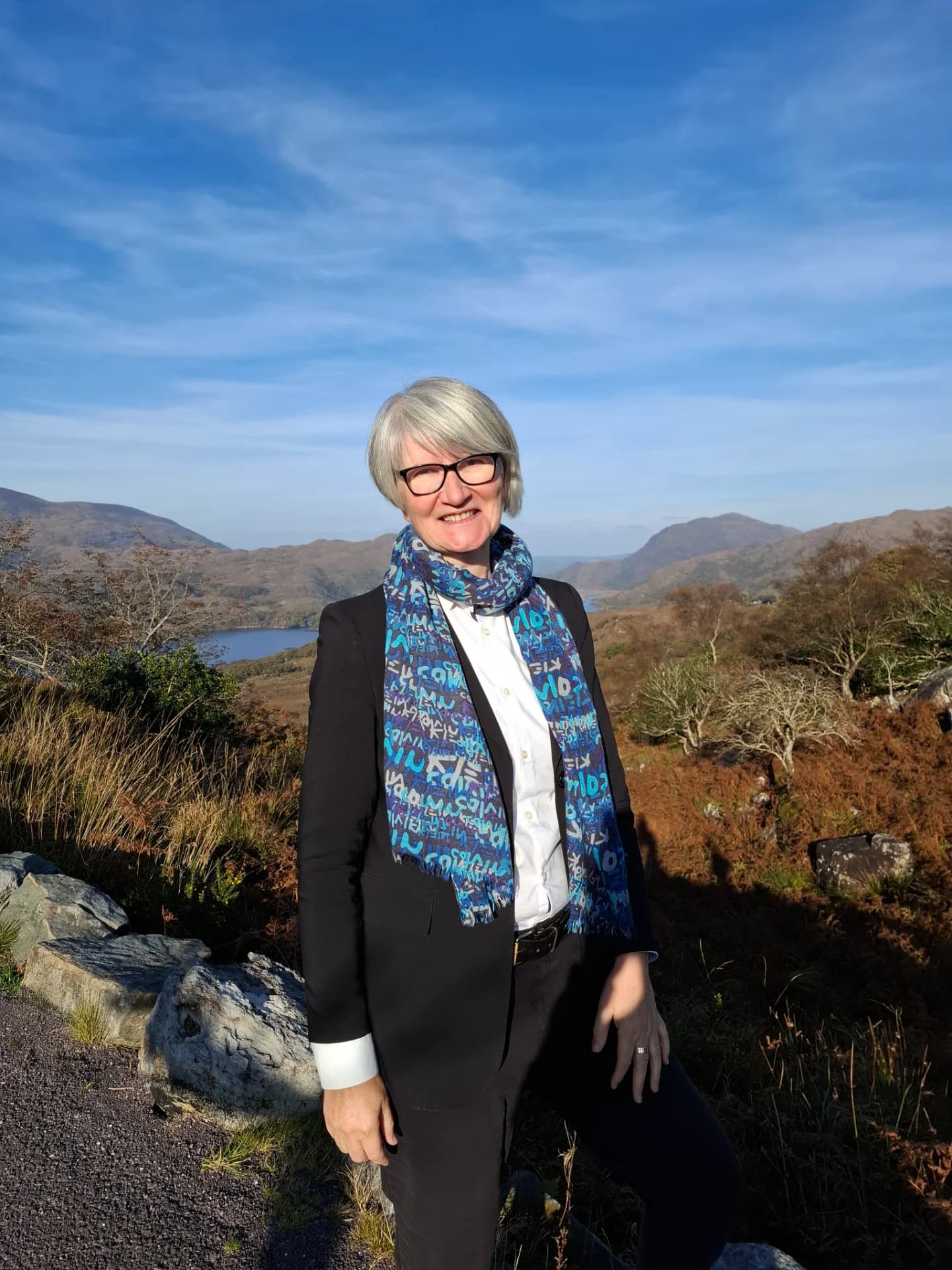
The Ring of Kerry is well signposted, but the signs point you along the main road with the coaches. A cyclist following the brown signs will miss the best sections. They will not find the Skellig Ring. They will not know that the Gap of Dunloe is best ridden early in the morning, before the jaunting cars start. They will not know which pub in Cahersiveen serves food at four in the afternoon, when you have missed lunch and are still thirty kilometres from your bed.
A local guide who knows Kerry on two wheels is the difference between a route and a journey. They know the quiet roads that run parallel to the N70, the viewpoints that do not appear in the guidebooks, and the weather patterns that determine whether the Gap of Dunloe is rideable or not. They can adjust the route to your fitness level, arrange luggage transfer, and book accommodation in the villages where the coaches do not stop.
If you are planning to cycle Kerry, the practical choice is to hire a good bike and let a local guide plan the route. You will see more, ride safer, and finish each day in the right place.
Frequently Asked Questions
How long does it take to cycle the Ring of Kerry?
The full loop is a hundred and seventy kilometres. A fit cyclist can complete it in a long day, but most people prefer to split it over two or three days. Allow time for stops at Valentia Island, Derrynane, and the viewpoints along the coast.
Is the Ring of Kerry suitable for beginners?
The main loop is challenging but manageable for a fit beginner who is comfortable riding in traffic. The Gap of Dunloe and the Skellig Ring are harder, with steep climbs and narrow roads. Beginners should avoid these unless they have an e-bike or are with a guide.
Do you need to book accommodation in advance?
In July and August, yes. The towns along the Ring fill up quickly, particularly Killarney, Kenmare, and Waterville. In June and September you have more flexibility, but booking a day ahead is still wise.
Can you cycle the Ring of Kerry with an e-bike?
Yes, and it is a good idea if you are not used to hills. E-bikes are widely available for hire in Killarney. The extra power makes a significant difference on the climbs to Moll's Gap and the Gap of Dunloe.
The Ring of Kerry by bike is the best way to see one of Ireland's most famous landscapes. The mountains, the coast, the islands, and the villages all connect when you are pedalling through them. For a broader view of cycling across the island, Cycling in Ireland: The Complete Guide to Bike Tours, Greenways and Routes covers every region. If the Wild Atlantic Way is more your interest, Cycling the Wild Atlantic Way: A Complete Route Guide goes deeper into the western coast. And for the most popular greenway in the country, The Waterford Greenway: Ireland's Most Popular Cycling Route is where to start.
A local guide who knows Kerry on two wheels is the difference between a ride and a journey. The Ring is there. The challenge is knowing which roads to take.
Table of Contents
Share this post
More from the Blog

Cork to Blarney Castle Day Trip: The Stone, the Gardens and What Else to See
Plan a Cork to Blarney Castle day trip. Kiss the stone, explore the Poison Garden, and add Cork city, Fota or Kinsale for a full day out.

Cork to Cobh Day Trip: Titanic, Colourful Houses and Harbour History
Plan a Cork to Cobh day trip by train, car or private driver. Explore Titanic history, St Colman's Cathedral, Spike Island and the best harbour views.

Cork to Killarney Day Trip: Lakes, Mountains and Muckross in One Day
A Cork to Killarney day trip is a longer escape into Kerry. Here's how to plan the drive, what to see in Killarney National Park, and why a private driver helps.